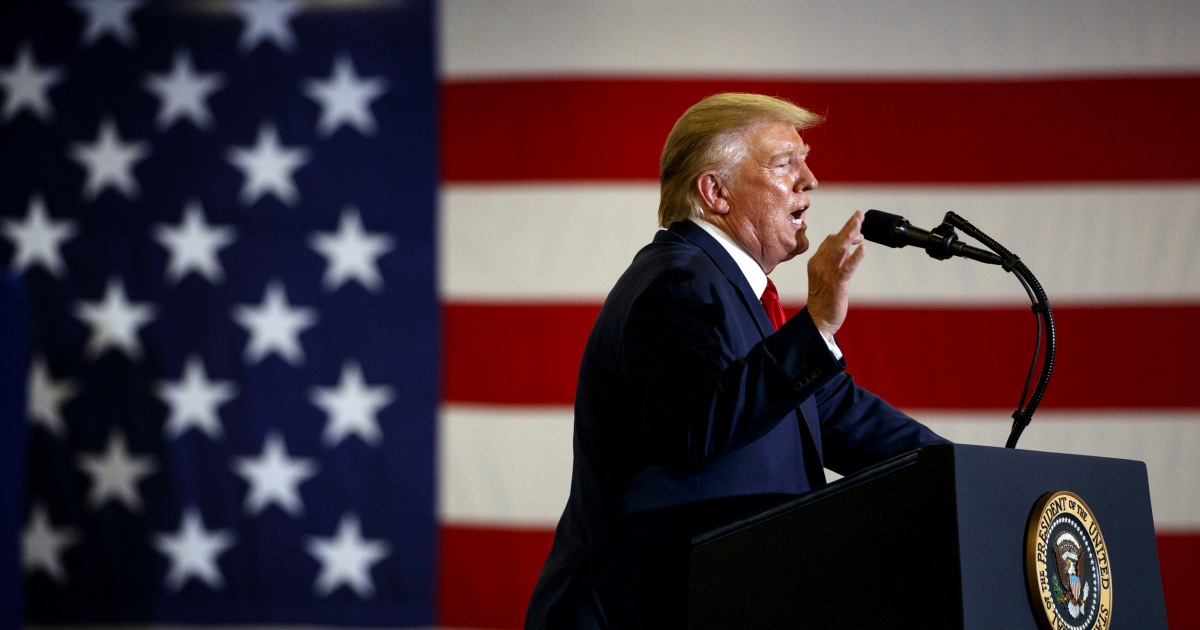
The battle lines between the White House and major newsrooms just got sharper. President Donald Trump's administration isn't backing down from its attempt to lock certain reporters out of the executive mansion.
The Department of Justice officially filed a notice of appeal with the U.S. Court of Appeals for the District of Columbia Circuit. They want to overturn a federal judge's ruling that blocked the White House from enforcing a ban against three prominent outlets: MS NOW, CNN, and Politico.
If you thought a judicial roadblock would end this showdown, you don't know how modern executive power operates.
What Sparked the White House Press Ban
The whole mess started when the Trump administration tried to bar reporters from MS NOW, CNN, and Politico from entering the White House complex. President Trump made no secret of why he pulled their credentials. He pointed publicly to coverage he labeled as unfair or inaccurate, threatening that other outlets could face the exact same treatment if they didn't clean up their reporting.
For news organizations, White House access isn't a perk. It's the lifeblood of accountability journalism. Losing physical access means missing immediate reactions, hallway gags, and real-time briefings.
Lawyers for the media companies jumped into action immediately. They argued that punishing news outlets by revoking press passes because the executive branch hates their coverage is a blatant violation of the First Amendment and basic due process.
Inside Judge Timothy Kelly's Ruling
U.S. District Judge Timothy Kelly didn't mince words when he stepped into the fray. He ruled that MS NOW, CNN, and Politico are overwhelmingly likely to win their constitutional claims. Because of that, he issued a preliminary injunction keeping the White House from locking those reporters out while the broader legal battle plays out.
Yet, Judge Kelly threw a bone to the administration in his late-night order. He noted that nobody should assume the court thinks Trump's grievances about media fairness are entirely baseless. He also clarified that the government retains power when national security and the unlawful disclosure of classified information are genuinely at stake.
Even with that caveat, the injunction stands. The targeted reporters kept their desks and their access.
Why the DOJ Appeal Changes the Stakes
The Justice Department filing an appeal so quickly tells you everything you need to know about the administration's legal strategy. They aren't going to let a lower court judge dictate who gets to cover the president without a fight.
Legal experts point out that cases involving presidential authority over executive property always spark massive constitutional debates. Presidents have wide latitude to manage who enters the White House. But when that management looks like viewpoint discrimination against specific critical outlets, constitutional protections kick in hard.
The D.C. Circuit Court of Appeals will now have to decide whether executive privilege and property control trump the free speech rights of journalists covering the highest office in the land.
This fight goes far beyond a few press passes. It sets a dangerous precedent for how future administrations can treat journalists who step out of line. The appeals court decision will dictate the rules of engagement between the presidency and the press corps for years to come. Watch this docket closely. The fallout hits every newsroom in Washington.