You don't take a luxury shortcut when you're the number one target on an international hit list.
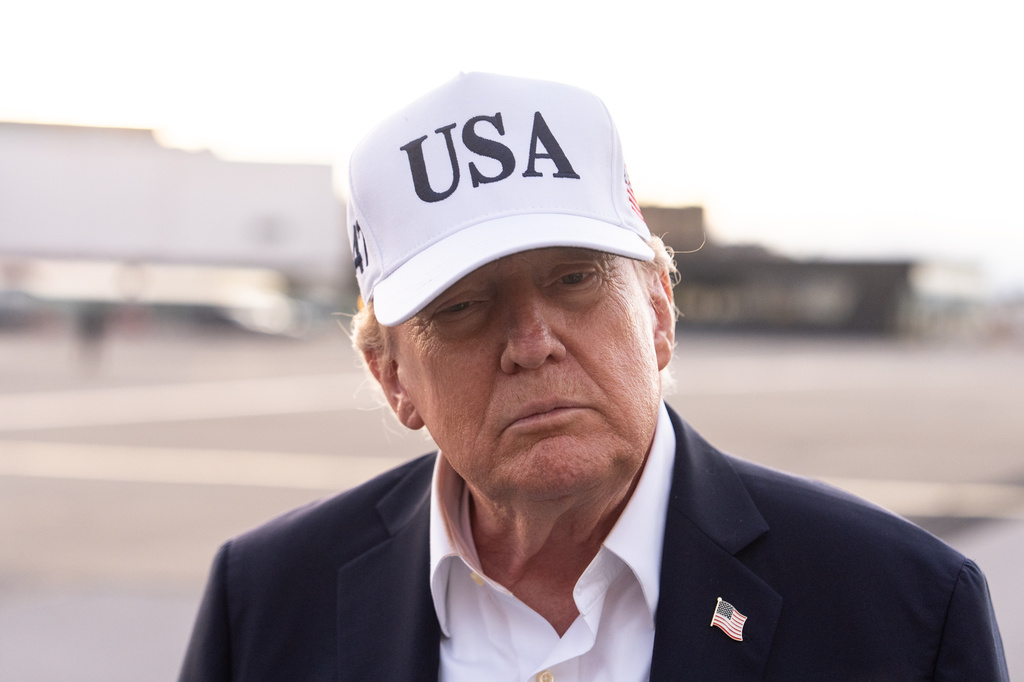
Yet, that's exactly what happened when Donald Trump flew out of the NATO summit in Turkey. The aviation world watched in confusion as the president dumped his brand-new, Qatari-gifted Boeing 747-8 and climbed aboard the old, 1990s-era "baby blue" Air Force One for the trip to a British airbase. Reporters in the press cabin were told to pull down the window shades—a tactical move usually saved for active war zones. Don't forget to check out our previous post on this related article.
The official spin from the White House was classic distraction. They claimed the new plane went ahead early so American troops at RAF Mildenhall could tour it. Trump even hopped on Truth Social to call it a harmless detour "for old times' sake."
But the real reason is much darker. The Secret Service explicitly warned Trump not to fly that new plane out of Turkey. With hostilities flaring up with nearby Iran, the shiny new jet simply isn't ready for a fight. It turns out that rushing a foreign royal family's private party plane into service as the American flying fortress leaves you with some massive, terrifying gaps in defense. To read more about the background of this, TIME provides an informative breakdown.
The missing defenses on the new Air Force One
A real presidential aircraft isn't just a corporate jet with better catering. It's a flying military command center designed to survive a nuclear blast and dodge surface-to-air missiles. The old Boeing 747-200Bs (the VC-25As we all recognize) are packed with classified countermeasures. They carry heavy jamming pods to scramble enemy radar, flare dispensers to blind heat-seeking missiles, and chaff systems that shoot out clouds of metal shavings to decoy incoming threats.
The new Qatari jumbo jet? It lacks those advanced anti-missile defenses.
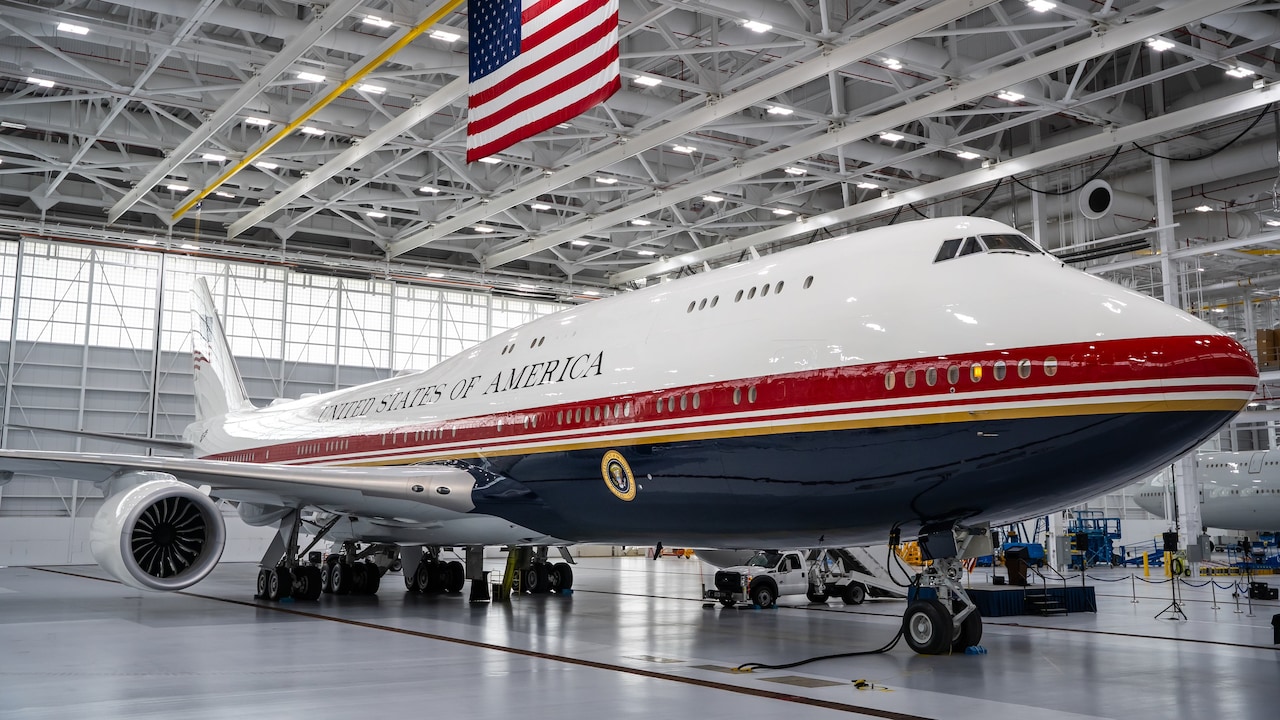
Look closely at the exterior photos of the new plane with its bold navy blue underbelly and red stripe. You'll notice it's missing the specialized external equipment fairings—the physical bumps and ridges—where these military defense systems are housed on the older jets.
Former Air Force Secretary Frank Kendall didn't hold back his shock about the plane being used overseas, noting that time simply didn't permit all the normal Air Force One modifications. You can't just slap a fresh coat of paint and some secure radios on a civilian airliner and expect it to survive a hostile airspace.
Rushing a four hundred million dollar gift
How did the US military end up putting the commander in chief in a vulnerable plane? It comes down to impatience and a very expensive gift.
The Qatari royal family donated the $400 million luxury Boeing 747-8 last year after Trump complained loudly about the aging state of the current presidential fleet. The Air Force has been working on two permanent, highly customized replacements, but Boeing has faced massive delays. The Qatari plane was supposed to be a quick "bridge" aircraft to fill the gap.
The Air Force tapped L3Harris Technologies to rush the plane into service by July 1. But properly converting a jumbo jet into a hardened military asset takes years, not months. The military openly admitted it had to make "trades" to hit Trump's aggressive timeline. While they claimed no risks were taken with basic safety or communications, they confessed to stripping out "less commonly used mission sets."
We now know those "less commonly used" items include the heavy-duty defensive systems needed when flying right next door to a hostile nation. A foreign jet built for luxury was never going to match a plane built from scratch for war.
The unprecedented legal war over the leaks
The White House is clearly furious that the public found out about these security gaps. Instead of addressing the defensive shortfalls, the Trump administration went to war with the press.
The Department of Justice officially issued subpoenas to several New York Times journalists. Federal agents actually showed up at reporters' homes on a Friday to hand-deliver orders to appear before a grand jury. The government claims it's investigating a massive breach of classified national security information.
It's a wild, aggressive escalation. The FBI even tried to block the story from running before it hit the press. The heavy-handed response basically confirms exactly what the administration is trying to hide: the new plane is a security liability, and they know it.
A toxic mix of luxury and leverage
Beyond the missing missile defense systems, the Qatari plane brings an absolute mess of ethical and operational issues.
- The Foreign Ownership Dilemma: The plane belonged to a foreign government. Even with deep sweeps by US intelligence, using a foreign power's donated luxury item as the symbol of American sovereignty makes security experts incredibly uncomfortable.
- A Vulnerable Command Chain: Air Force One is supposed to operate as a mobile White House during a nuclear crisis. If the communications and hardened shell aren't fully integrated, the line of succession is at risk.
- Prioritizing Optics Over Safety: Senate Democrats have already launched a formal inquiry, writing a scathing letter accusing Trump of prioritizing a "level of luxury that nobody's ever seen before" over actual national security.
What happens next
Don't expect the new plane to go back to Qatar, but don't expect it to fly into high-risk areas anytime soon either. The Secret Service has drawn a hard line.
If you want to track how this plays out, watch the flight paths on the president's next international tour. If the administration quietly rolls out the old, faded blue-and-white workhorse instead of the flashy new navy jet, you'll know the security team won the argument.
For now, the defense contractors will likely have to drag the Qatari jet back into the hangar for extensive, time-consuming retrofits to install the missile blinders and radar jammers it should have had in the first place. Until those bumps and fairings appear on the hull, the new Air Force One is little more than a high-priced target.