Donald Trump just won't let Canada go. With the 2026 U.S. midterm elections sitting less than three weeks away and Republican candidates sweating in competitive races, the White House has fallen back on a loud, familiar distraction: resurrecting the absurd trope that Canada should become the fifty-first state.
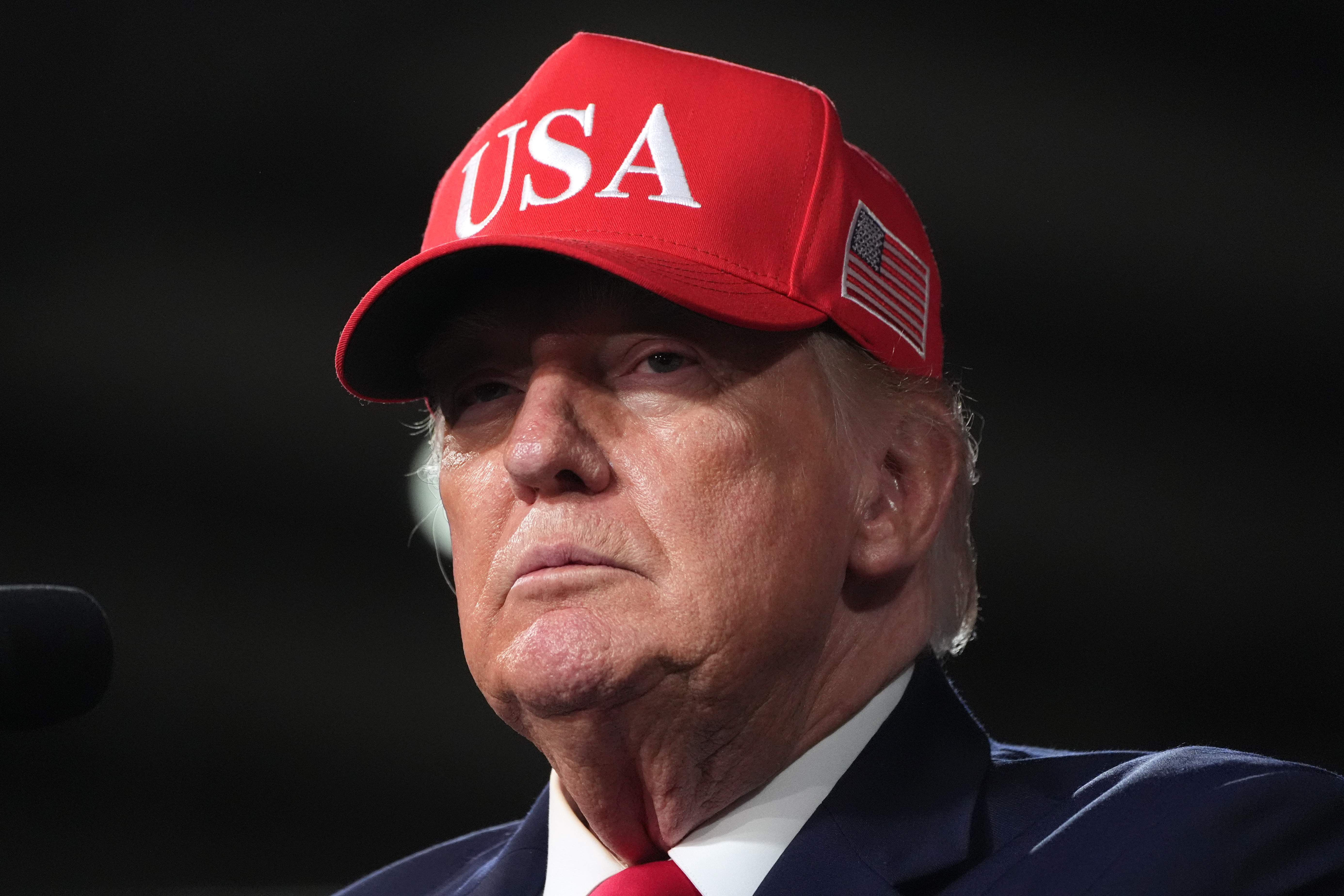
During an Arizona rally, Trump leaned straight into the microphone and told the crowd that Canada would "end up being the 51st state, because that's the only way it works." He claimed the northern neighbor needs the U.S. more than America needs them, drawing cheers from his base while leaving political analysts and border-state Republicans groaning in frustration.
This rhetoric isn't happening in a vacuum. It's a calculated, high-stakes political gamble designed to deflect attention from sticky domestic problems, surging inflation, and sagging approval ratings. But as vulnerable GOP incumbents in the Midwest and New England fight for survival, dragging cross-border trade into the mud might cost them the very seats they need to hold Congress.
The Midterm Panic in Border States
Look at the map and you'll see why this rhetoric spells trouble for Republican candidates. Races in states like Michigan and Maine are tight, and voters there rely heavily on cross-border commerce with Canada. When the White House launches a trade war and slaps punishing tariffs on Canadian goods, it doesn't hurt Ottawa alone. It wrecks local manufacturing plants, auto supply chains, and tourism economies on the American side of the border.
In Michigan, Republican Senate candidates are scrambling to distance themselves from the chaos. Mike Rogers went as far as publicly urging the administration to strike a deal with Ottawa and end the tariff war, openly admitting that Canada isn't an enemy. Up in Maine, veteran GOP lawmakers are trying to carve out exemptions for essential goods like road salt and concrete just to appease local voters who feel the pinch every time they visit a store or pay a heating bill.
When Trump yells about fifty-first-state status, he steps on the careful messaging of local candidates who are desperately trying to talk about jobs, local tax relief, and inflation instead of bizarre annexation fantasies.
Distraction Tactics and Economic Realities
Why double down on a wildly unpopular talking point when your party needs every vote it can get? Political scientists point out that this is pure psychological reflex. When faced with criticism or told no, Trump doubles down on maximalist demands to command the media cycle.
Inflation numbers aren't helping the administration either. Consumer prices ticked up last month, and families feel the squeeze every time they fill up their gas tanks or buy groceries. Economists point out that you can't out-message the economy with bluster. When voters look at their bank accounts at the end of the month, nationalist slogans don't pay bills.
Instead of addressing the cost-of-living crunch head-on, the administration relies on external targets. It creates a manufactured sense of urgency, hoping to spark a rally-around-the-flag effect among voters who feel embattled by outside economic forces.
The Foreign Interference Backlash
The friction isn't just about economic policy anymore. U.S. Ambassador Pete Hoekstra recently warned Canadian politicians to keep their noses out of American politics, specifically targeting anti-tariff ads funded by provincial governments and cabinet ministers vowing to retaliate against specific U.S. states.
Canadian officials fired right back, noting that interference runs both ways and that economic survival requires pushing back against unfair trade penalties. Ottawa isn't backing down from defending its sovereignty, and ordinary Canadians view the fifty-first-state taunts with a mix of exhaustion and outright mockery.
For swing voters in American border towns, this diplomatic brawl is an unnecessary headache. They want open borders, predictable supply chains, and stable trading partnerships with their largest economic ally. Every time the topic shifts to annexation, it reminds moderate voters of the volatility they hoped to leave behind.
As the midterm clock ticks down, watch how desperate incumbents try to thread the needle. They need Trump's base to turn out at the polls, but they also need independent voters who are thoroughly sick of trade wars and bizarre territorial claims. How they balance that tension over the next three weeks will decide control of Congress.