Trump’s new tariffs didn't just knock Wall Street off balance on Wednesday, November 25, 2026. They landed right in the middle of an already jittery AI sell-off and a fresh inflation scare.
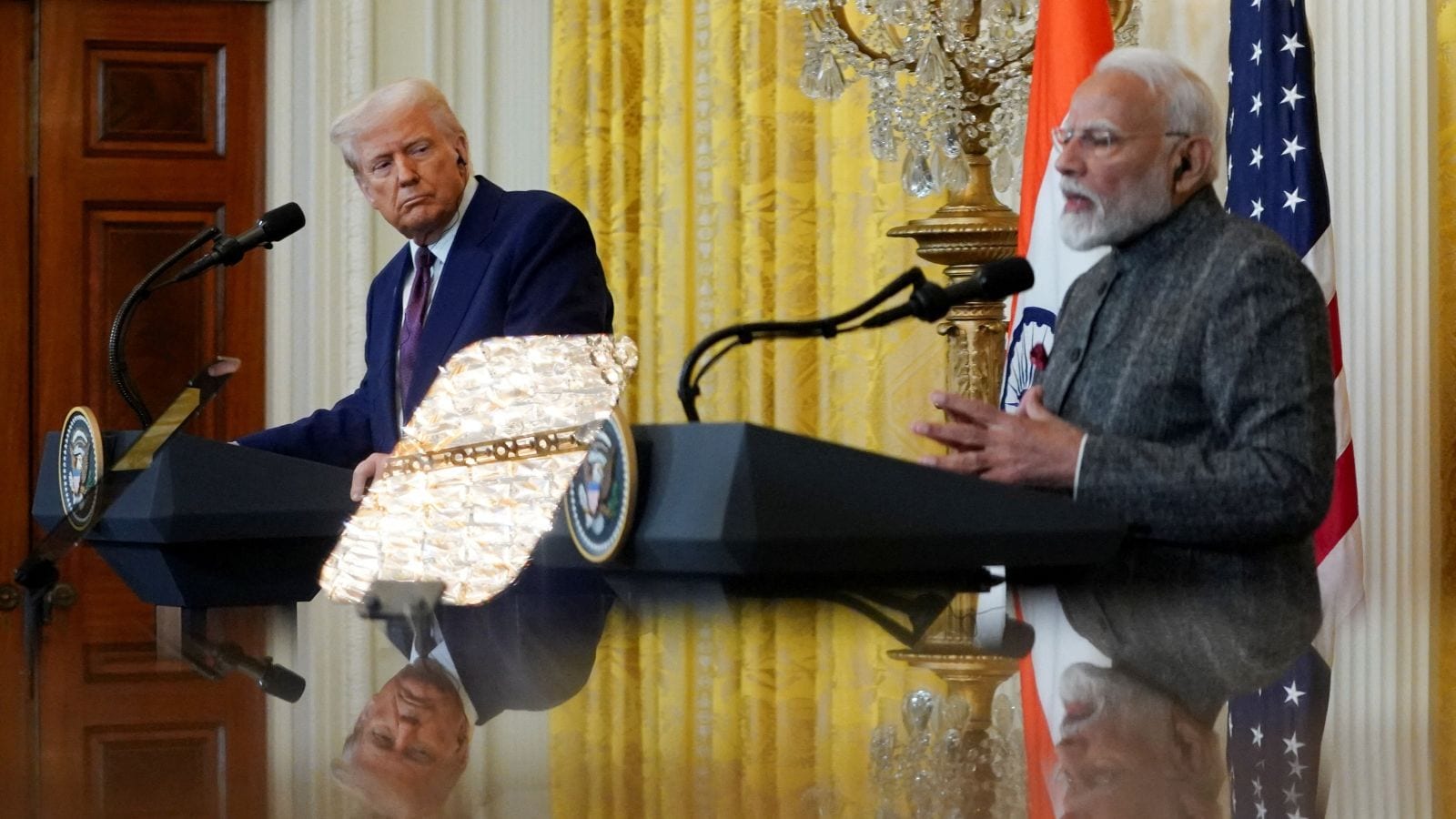
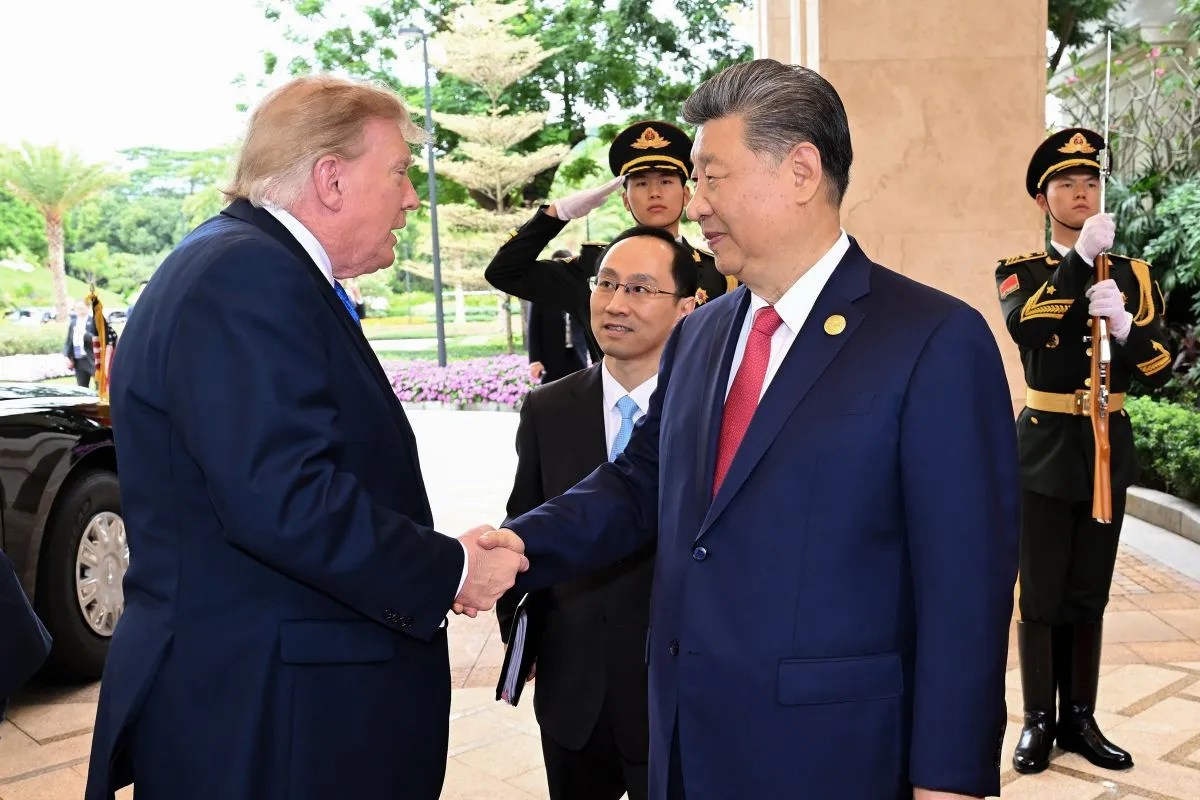
If you're trying to make sense of the red ink across U.S. indices and the pushback from trading partners, here's the bottom line: Washington isn't firing off random import taxes out of nowhere. After the Supreme Court struck down sweeping emergency tariffs back in February 2026, the Office of the United States Trade Representative spent eight months building a Section 301 case around "structural excess industrial capacity." On November 25, USTR proposed new duties across 14 trading partners—including China, the European Union, Japan, South Korea, Taiwan, India, and Vietnam—while separately proposing a 10% tariff on finished Brazilian aircraft and steeper duties on above-quota sugar.
Markets hated the timing. In early trading on November 25, the tech-heavy Nasdaq tumbled 3.9%, the S&P 500 dropped 2.8%, and the Dow Jones Industrial Average slid 1.4%, compounded by sticky inflation readings that pushed core PCE up to 3.3% year-over-year in October.
Why Stocks Stumbled When the Tariff News Hit
Honestly, nobody on a trading desk wants tariff headlines right before Thanksgiving while tech valuations are already wobbling. Even after Monday's bounce tied to Jensen Huang's reinstatement as Nvidia CEO, AI and hardware names took another hit as investors weighed trade friction against higher-for-longer interest rate risks.
When inflation runs hot—with core PCE hitting 3.3% year-over-year in October and a key Federal Reserve metric rising 0.3% in the latest release—markets start pricing in a tighter Fed, potentially even a rate hike in December. Layer fresh import duties onto supply chains that rely heavily on Asian manufacturing, and corporate margin math gets messy fast.
Bonds and gold told their own story on Wednesday:
- Treasury and Eurozone yields dipped: U.S. 10-year Treasury yields fell 6.8 basis points to 4.834%, extending a multi-session slide, while 10-year German Bund yields eased to around 3.2%.
- Gold took a surprise drop: Instead of acting as a classic safe haven during the stock sell-off, gold fell more than 3% in early action to a more-than-one-year low, pressured by interest rate expectations and inflation data.
From years of watching trade shocks ripple through equity desks, I can tell you a common mistake investors make is treating every tariff headline like an immediate permanent tax. These Section 301 proposals aren't final law on day one. Written comments for the 14-country manufacturing probe run until January 5, 2027, with hearings set for January 25, 2027, giving markets and companies weeks of lobbying, carve-outs, and negotiation ahead of the mid-December G20 summit.
How Trading Partners and Allies Are Pushing Back
The global reaction hasn't been one neat chorus of outrage. Governments are sizing up where they have leverage and where they're still waiting on the next shoe to drop.
In Brussels, European Commission spokesperson Olof Gill noted the preliminary Section 301 findings on structural overcapacity, said the bloc will study them, and flatly rejected the idea that Europe causes overcapacity—arguing instead that European industry is among the hardest hit by global excess supply. Switzerland likewise pushed back against the probe's allegations.
Meanwhile, Mexico and Norway were part of the broader investigation but left off this round of new tariffs because reviews of their trade practices are still ongoing. Norwegian Foreign Minister Espen Barth Eide welcomed being spared for now, stressing that Norway doesn't run policies that create overcapacity and that its firms produce to market demand. Over in North America, U.S. Trade Representative Jamieson Greer signaled openness to accommodating Canada in ongoing talks, even as steel and autos remain sticky points.
Then there's Brazil, which got hit with a targeted twist under Section 307 modifications to a July 2026 Section 301 action. Washington proposed a 10% duty on finished aircraft—a direct hit to planemaker Embraer, whose regional jets fly under U.S. carrier banners like United Express, Delta Connection, and American Eagle—alongside higher duties on raw and refined sugar above quota. Embraer has pushed back in defense of the long-standing zero-tariff norm for civil aviation, while the proposal stays open for public comment until December 30, 2026, ahead of a January 14, 2027 hearing.
The Legal Catch Behind Section 301
What many commentators miss is why the administration leaned so heavily on Section 301 of the Trade Act of 1974 here. After the Supreme Court ruled in February 2026 that emergency powers didn't authorize sweeping global tariffs, Section 301 became the workhorse route—backed by investigations, formal findings, and stacked duties (for instance, putting a proposed 20% layer on top of existing levies to reach 45% on certain Chinese goods, while keeping a 15% rate in mind for EU imports).
International trade scholars have sharp warnings about what that means for constitutional guardrails. Georgetown University Law Center professor Gregory Shaffer has argued that using Section 301 this way is a calculated push to concentrate tariff power in the executive branch and sideline Congress's taxing authority. At the same time, strategists like Rachel Ziemba at the Center for a New American Security point out that dropping these findings right before the G20 creates both a negotiating lever and real macro volatility heading into 2027.
That tension is real. You can view Section 301 as a legally structured tool built to survive court scrutiny better than emergency decrees, while still recognizing how unpredictable stacked duties and shifting exemptions make planning for importers.
Practical Next Steps If You're Navigating This Market
Don't make knee-jerk moves based on a single volatile session before Thanksgiving. Whether you manage a portfolio or run an import-exposed business, a few practical steps will keep you grounded:
- Audit your direct and indirect exposure: Check which suppliers or holdings sit in the 14 named economies or in targeted sectors like aerospace, sugar, autos, chemicals, and hardware. Look at second-tier suppliers, not just finished goods.
- Track the USTR calendar instead of rumors: Put December 30, 2026 (Brazil comment deadline), January 5, 2027 (14-country manufacturing probe comments), and the January hearings on your radar, plus mid-December G20 talks.
- Separate inflation risk from trade headlines: Watch core inflation prints and Federal Reserve expectations alongside tariff news, since rate repricing often moves bond yields and equity multiples just as fast as import duties do.
- Build buffer room into quotes and cash: If you buy or sell cross-border goods, stress-test margins against temporary rate spikes and delayed exemptions rather than assuming smooth sailing.