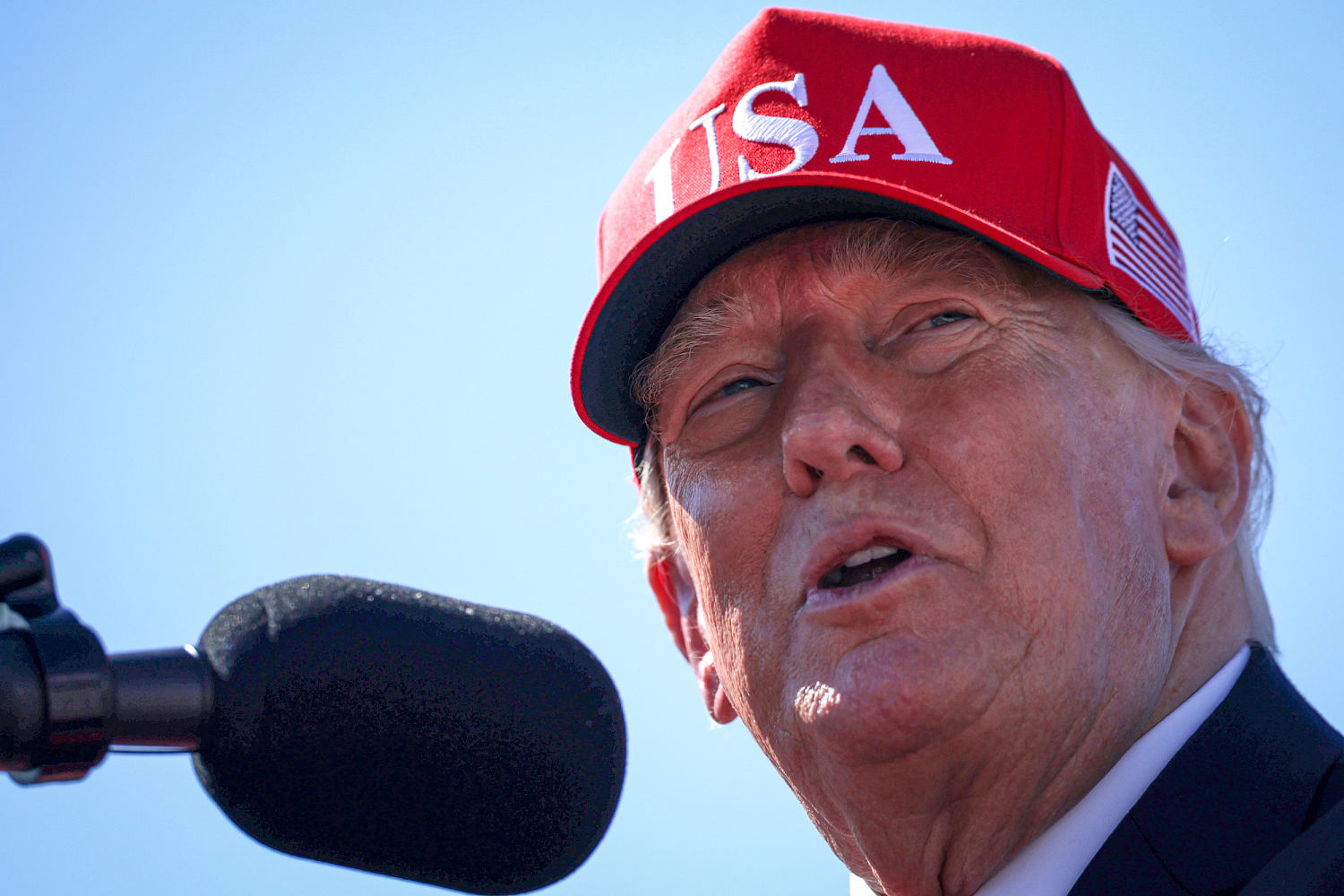
When a president starts shielding internal notes about a performing arts center behind presidential immunity, you know things have gotten weird. Donald Trump just pulled the ultimate legal lever, formally invoking executive privilege to block documents and testimony in an escalating federal court fight over the John F. Kennedy Center for the Performing Arts.
If you're wondering how a cultural landmark turned into a high-stakes constitutional battleground, you're not alone. The dispute centers on a sweeping legal challenge brought by Democratic Representative Joyce Beatty, who sits on the center's board. Beatty sued the administration over plans to shut down the iconic D.C. venue for a two-year renovation and overhaul its management. Now, the White House is drawing a hard line.
Deputy White House Counsel Joshua Hoyt filed court papers making the administration's stance crystal clear. The newly asserted presidential communications privilege covers discussions between Trump, his top advisers, and Kennedy Center officials. It also blankets specific communications involving Commerce Secretary Howard Lutnick regarding the venue's operations. The administration argues that forcing the president to hand over internal memos or sit for depositions infringes on the separation of powers.
Critics aren't buying it. Legal experts and lawyers representing the plaintiffs point out a glaring tension. Can a president claim executive privilege over activities tied to running a cultural board and managing commercial renovations? Opponents argue that applying executive protections to a board-level dispute stretches constitutional law past its breaking point. During a recent deposition, Justice Department attorneys repeatedly stepped in to block questions directed at Matthew Floca, the center's executive director and chief operating officer, citing the same protective shield.
The fallout goes far beyond legal theory. The conflict has coincided with a turbulent period for the venue's finances and operations. Cash reserves have dwindled, while donations and ticket sales face heavy turbulence as the administrative shakeup plays out in public view. Supporters of the administration maintain that bold changes are needed to rescue the facility from long-term decline. Meanwhile, plaintiffs argue that the secrecy surrounding these decisions hides poor planning from public oversight.
Courts will now have to decide where presidential authority ends and public accountability begins. With more hearings locked in for the coming weeks, this fight over the capital's premier arts hub is heating up fast.