Energy prices dictate elections, run logistics networks, and make or break everyday household budgets. When fuel prices spike, everything else follows suit. That simple economic reality explains why a surprise arrangement between Washington and Moscow is currently dominating global headlines.
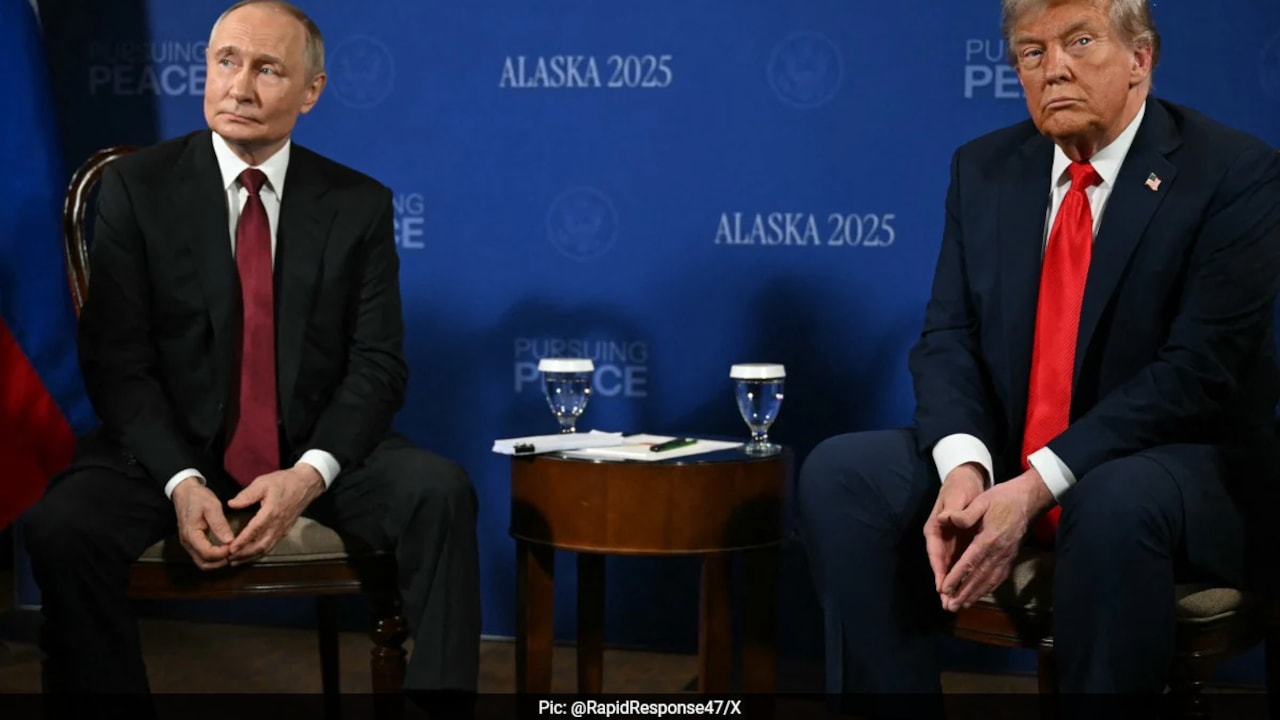
US President Donald Trump announced that Russian leader Vladimir Putin agreed to release a massive volume of diesel fuel into American and global markets. The stated objective is cooling down surging energy costs that threaten consumers and businesses alike. Critics call it a dangerous lifeline to a sanctioned adversary. Supporters see it as a necessary pragmatic step to protect everyday workers from runaway inflation.
The mechanics of this arrangement involve immediate and future shipments. According to announcements shared via social media, Russia will supply over 300,000 tons of diesel fuel right away. Another 500,000 tons is scheduled for November, followed by an additional million tons shortly after. To make these transactions possible, the US Treasury Department issued a temporary license allowing Russian diesel to flow through April 2027.
The Political Calculus Behind the Pump
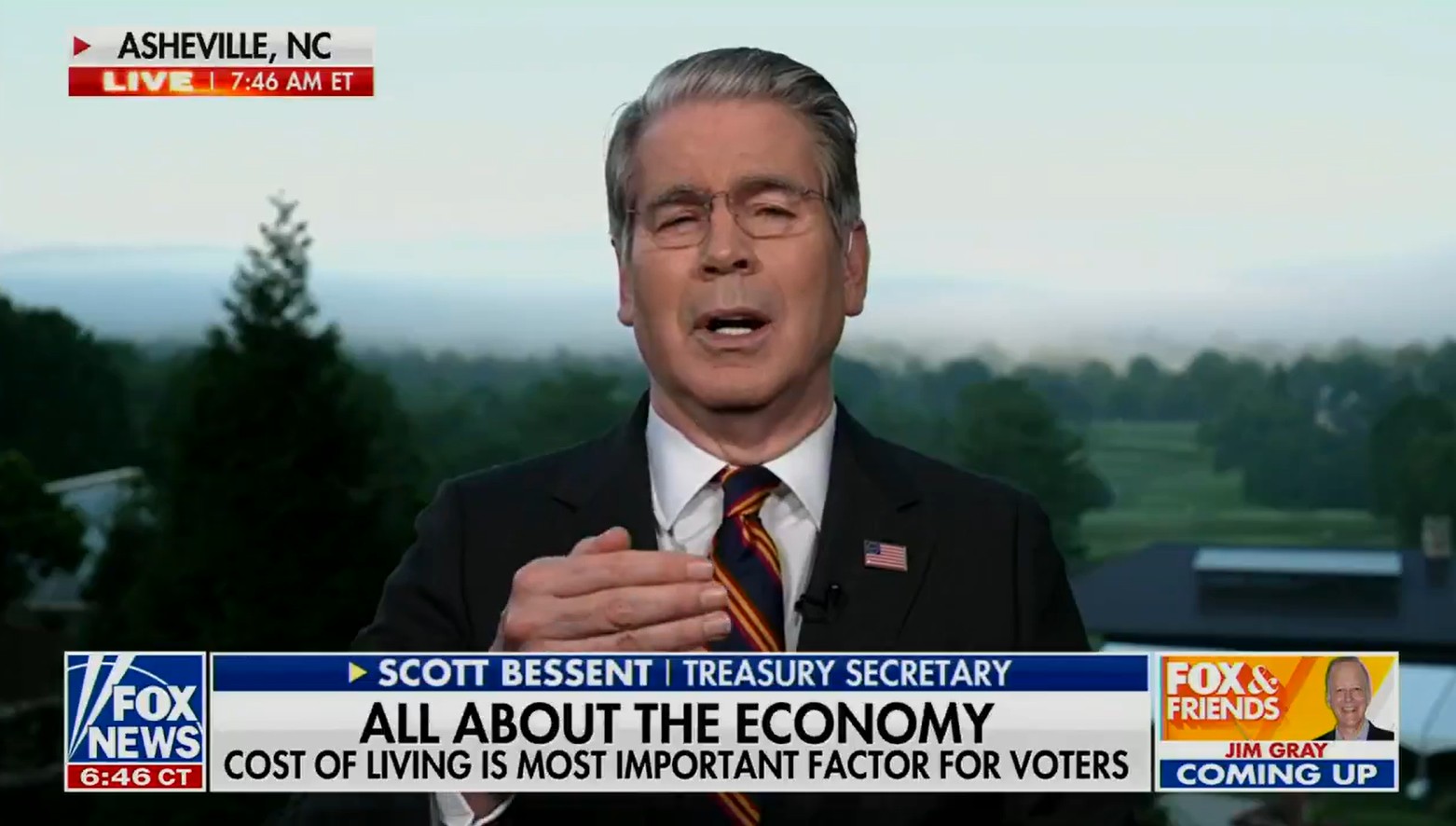
Timing defines politics. This sudden pivot arrives just weeks ahead of high-stakes US midterm elections. Republicans face intense pressure over the rising cost of living, with voters frequently pointing to expensive fuel at the pump as a primary pain point.
Trump framed the move directly around domestic relief. He emphasized that lower prices for farmers, ranchers, and truck drivers remain his highest priority. Diesel powers the agricultural sector, long-haul freight, and manufacturing supply chains. When diesel prices soar, grocery bills and retail goods immediately become more expensive.
Yet the domestic political win carries massive international fallout. Western allies have spent years trying to choke off Moscow's energy revenue to curb its military campaign in Ukraine. Bending those rules creates deep friction across European capitals and draws sharp rebukes from Kyiv.
The Sanctions Wall and the Temporary Waiver
For years, heavy sanctions have barred Russian energy products from Western markets. The invasion of Ukraine triggered a sweeping economic blockade aimed at denying the Kremlin the funds necessary to sustain its military operations.
Issuing a temporary treasury waiver breaks that united front. While officials insist the measure is strictly time-bound and designed to stabilize global supply shocks intensified by tensions involving Iran, it compromises the integrity of existing sanctions regimes. Critics argue that any financial relief extended to Moscow weakens the long-term diplomatic strategy of isolation.
Diplomatic friction is already boiling over. European leaders and Ukrainian officials have voiced sharp opposition, viewing the arrangement as counterproductive to ongoing peace talks and security guarantees. Meanwhile, tripartite discussions involving US, Ukrainian, and European representatives in Miami continue under a heavy cloud of diplomatic tension.
What This Means for Global Markets
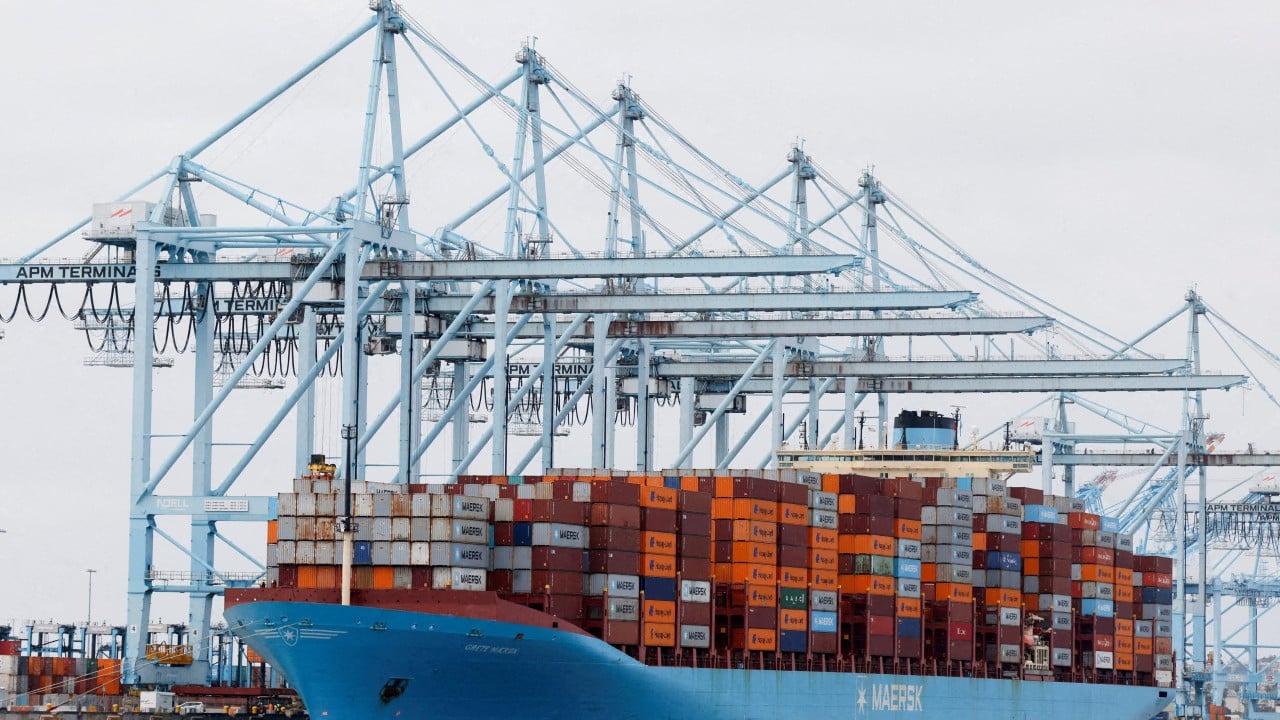
Markets hate uncertainty, but they react instantly to sudden supply injections. Pumping hundreds of thousands of tons of diesel into the global marketplace alters trading dynamics overnight. Refiners, traders, and shipping companies are scrambling to recalculate margins and inventory expectations.
For the average consumer, the immediate impact depends on how quickly these shipments hit distribution hubs and whether the relief translates into lower retail prices at service stations. Logistics operators running transport fleets stand to benefit the most if wholesale fuel costs experience a sustained downward correction.
Fuel markets remain fundamentally tied to geopolitical whims. This latest development proves that when economic pressure peaks, traditional diplomatic boundaries can shift with a single social media post. Watch wholesale diesel futures closely over the coming weeks to measure the real-world impact of this surprising diplomatic pivot.