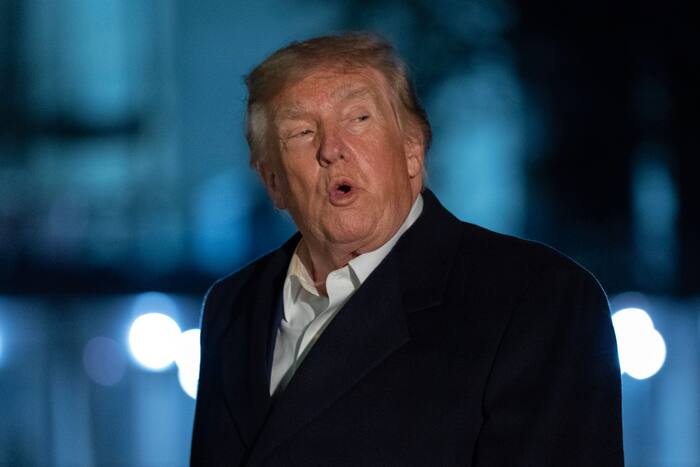
Donald Trump just hit pause on a potential military escalation. The White House announced that the United States will not resume military strikes on Iran before the November 3 midterm elections. It is a strategic pivot coming right as the clock ticks down toward a high-stakes electoral showdown.
For weeks, the administration had warned that ramping up operations in the seven-month-old conflict remained entirely on the table. But reality on the ground and political optics changed the math. Negotiations are moving behind the scenes, and voters are heading to the polls soon. You don't need a degree in political science to see why a major Middle Eastern flare-up right before election day is a risky gamble.
The Timing Behind the Pause
Why make this announcement now? Midterms are brutal for incumbent parties when economic anxieties and foreign entanglements dominate headlines. Trump stated on social media that his team has been holding productive discussions with the Islamic Republic of Iran. Iranian Foreign Minister Abbas Araghchi confirmed that Tehran expects to offer a formal counterproposal within days.
This diplomatic opening follows a stalemate over the Strait of Hormuz. Earlier, Washington rejected an Iranian proposal to reopen the vital shipping lane within seven days because the terms didn't match U.S. demands. Now, both sides are talking again, or at least pretending to while the political clock runs out.
Military Strain and Carrier Movements
Behind the diplomatic posturing, the military machinery tells its own story. Resources are stretched thin across the region. The U.S. Navy is juggling multiple carrier strike groups, and the strain is showing.
The USS Abraham Lincoln is heading back to its home port in San Diego after a record-breaking deployment supporting the Iran war. Reports from the fleet point to severe crew fatigue, mental health strains, and logistical shortages, including basic food and hygiene supplies. Relief efforts have been constant, with the USS George Washington taking over assignments earlier and the USS George H.W. Bush spending time on port visits like Phuket, Thailand.
Yet, Washington isn't entirely letting its guard down. The military has dispatched additional assets, with the USS Theodore Roosevelt and thousands of accompanying troops expected to arrive in the region by late October. It is a classic show of force paired with a temporary diplomatic timeout.
What Happens After November 3
The real question isn't whether strikes are happening this month. It is what happens on November 4. Trump's past statements hint that military options remain wide open once the ballots are cast and counted.
Voters are caught between promises of a swift campaign and the messy reality of a prolonged regional conflict. If negotiations break down after the midterms, the pause will look less like a diplomatic breakthrough and more like a tactical election-year delay.
Keep an eye on the upcoming counterproposals from Tehran. That response will tell us whether real diplomacy has a chance or if the pause is just a countdown to the next phase of the war.