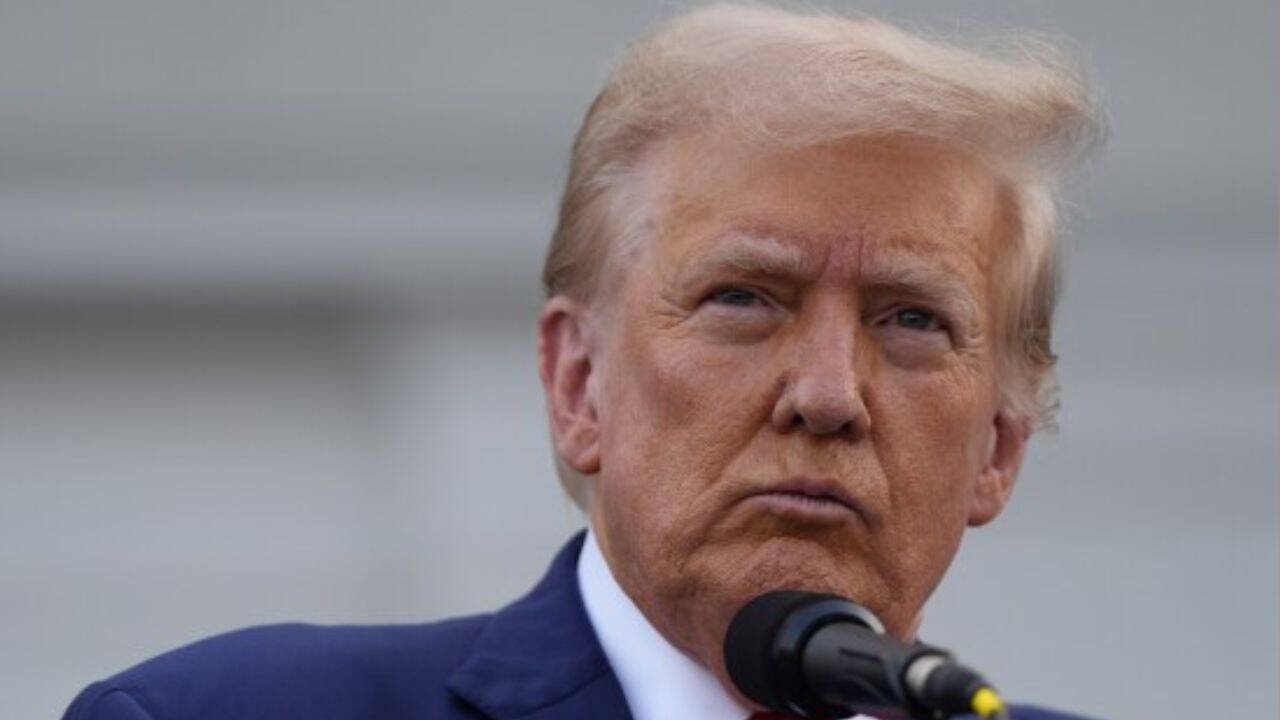
Donald Trump isn't losing any sleep over potential impeachment threats from a newly empowered opposition. Following a brutal Republican routing in the midterm elections that handed Democrats control of both the House of Representatives and the Senate, Washington has entered a volatile new phase. Democratic leaders are gearing up for aggressive oversight, investigations, and legislative blockades against the White House. Yet, the president is flipping the narrative entirely, arguing that any push to remove him from office will completely backfire on his political rivals.
If you look at how Washington operates after a major midterm shift, the instinct for the newly triumphant party is always overreach. When Democrats take control of Congress in January 2027, the internal pressure from their progressive wing to launch impeachment proceedings will be immense. But Trump knows that weaponizing the constitutional process without a bulletproof, universally agreed-upon rationale often alienates independent voters. He shrugged off the looming threat during a White House appearance, declaring that pursuing such a drastic measure would politically destroy the Democratic Party.
The Aftershocks of a Brutal Midterm Rout
The recent midterms dealt a severe blow to the Republican legislative agenda. Voters pushed back hard against soaring fuel prices, lingering economic anxieties, and foreign policy friction, handing Democrats a blue wave that reshaped the balance of power. With both congressional chambers flipping, the opposition now holds the keys to committee gavels, subpoena power, and executive oversight.
History shows that midterms are almost always a referendum on the sitting president. Voters use them to send a loud message. When Republicans lost their majority, political analysts immediately began speculating about what kind of gridlock or retaliation would follow. But Trump isn't planning to hunker down and play defense. Instead, he is daring Democrats to overplay their hand.
"I think it would destroy the Democratic Party if they did that," Trump stated at the White House, questioning what legitimate grounds his opponents could possibly cite. He framed any future impeachment talk as an absurd penalty for simply having a successful country, aiming to paint his opponents as obstructionists who care more about partisan warfare than governing.
Why Overreach Is the Opposition’s Biggest Trap
Political history is filled with cautionary tales about congressional overreach. When a party wins big in a midterm election, its base expects immediate retribution and aggressive action. That creates a dangerous trap. If leadership caves to the most radical factions of their party and pursues endless investigations or impeachment inquiries that lack broad bipartisan support, moderate voters often view it as petty revenge.
Trump is banking on this exact dynamic. He holds the ultimate legislative safety net: the presidential veto. While Democrats can stall his bills and launch endless committee hearings, they don't have the two-thirds supermajority in the Senate required to actually convict and remove a president. Trump understands that launching a high-profile fight they cannot win will bog Democrats down, freeze their legislative priorities, and make them look entirely consumed by hatred rather than focused on fixing everyday problems.
The Reality of Divided Government in Washington
We are heading straight into a classic Washington standoff. Divided government rarely leads to compromise; it usually leads to trench warfare. Trump made it clear that he's open to working across the aisle, but with a major caveat: only if the opposition chooses cooperation over destruction.
"I'll get along probably with the Democrats unless they want to be destructive," he noted.
The strategy from the White House is clear. Force the opposition to take ownership of the government. Now that Democrats control Congress, voters expect them to deliver solutions on the economy, inflation, and national security. If voters see Congress spending all its time on endless investigations and impeachment rhetoric instead of legislative fixes, the political penalty in the next election cycle will be severe.
Watch what happens on Capitol Hill over the next few months. The noise will be deafening, but the underlying political math remains simple. Overreach always carries a heavy price tag in American politics.