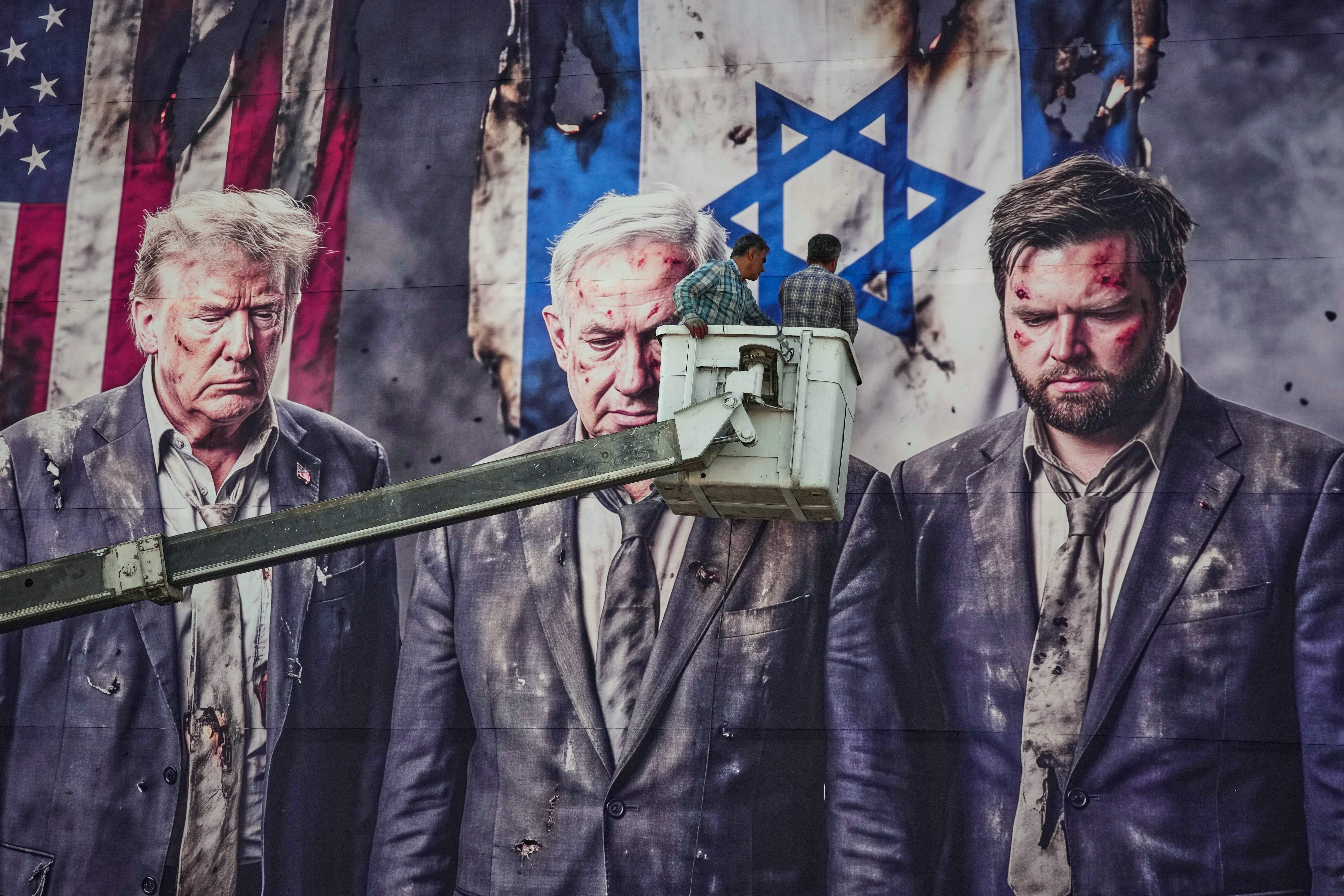
Donald Trump just dropped a bombshell on US-Israel relations that caught top officials in both Washington and Jerusalem completely off guard. During a live morning interview on Fox News, the US president announced that the roughly $4 billion in annual military assistance given to Israel will come to an abrupt halt by the end of the year.
If you look past the political posturing, this sudden declaration exposes a massive fracture between long-standing defense commitments and domestic political pressures. Trump claimed that Israeli Prime Minister Benjamin Netanyahu actually brought up the idea months ago, suggesting it was time to phase out the funding because Israel has evolved into a wealthy, thriving nation that simply doesn't need the handout anymore.
Yet, Israeli financial and security ministries reportedly scrambled in confusion after the broadcast, as the current bilateral memorandum of understanding isn't scheduled to expire until 2028.
The Political Reality Behind the Announcement
Timing matters in politics. Trump dropped this announcement right in the middle of midterm election campaigning, specifically pointing to tough congressional races in places like Michigan where foreign aid is a constant lightning rod.
Republicans have grown tired of defending massive overseas spending packages to progressive critics who argue those billions should be spent at home. By framing the move as a mutual agreement with Netanyahu, Trump tried to neutralize a powerful talking point used by his opponents.
"Why don't we give everyone $4 billion?" Trump asked during the interview, arguing that continuing the current system gives critics an easy target.
But saying it on television and actually executing it through the bureaucratic machinery of the Pentagon and Congress are two entirely different things. No official written agreement or congressional bill has been introduced to dissolve the existing multi-year defense package early.
What Ending Aid Actually Means for Weapons
Will Israel suddenly be left defenseless? Not quite. Trump clarified that cutting off direct annual aid doesn't mean stopping military cooperation altogether.
Instead, the model shifts from a grant system to a commercial procurement relationship. Trump emphasized that Israel—along with European allies—can still buy whatever American military hardware they want.
"They can buy whatever they want. We make the greatest weapons in the world," Trump stated.
This distinction is crucial. Stopping a $4 billion annual subsidy shifts the financial weight entirely onto the Israeli public budget. Following years of intense regional conflict, Israel’s defense expenditures are already massive, and its stockpiles require continuous replenishment.
Critics within Israeli politics didn't waste time pointing this out. Opposition figures slammed Netanyahu, arguing that forcing Israeli taxpayers to shoulder the full cost of advanced air defense systems and fighter jets without American assistance deals a severe blow to the country's long-term financial stability.
Navigating the Fallout
Whether this policy shift becomes reality or fades into campaign rhetoric depends heavily on how the Israeli government responds once the dust settles from the surprise announcement. Netanyahu’s office faces an uncomfortable choice: publicly confirm an agreement that could shock local markets and worry security hawks, or quietly push back against a timeline that leaves virtually no room for adjustment.
Washington insiders remain skeptical that a multi-billion dollar defense pipeline can be dismantled by December without massive legislative hurdles. Yet, the conversation has officially shifted. The era of unconditional, automatic annual checks is under direct fire, and both nations must now confront a future where military ties rely on cash transactions rather than taxpayer-funded gifts.