British Columbia provincial politics shifted dramatically after the intense electoral showdowns that permanently altered the legislature. When you look past the standard media headlines about caucus room drama, the real story is about how a freshly energized opposition handles the hard grind of parliamentary accountability.
The Reality of Opposition Dynamics in Victoria
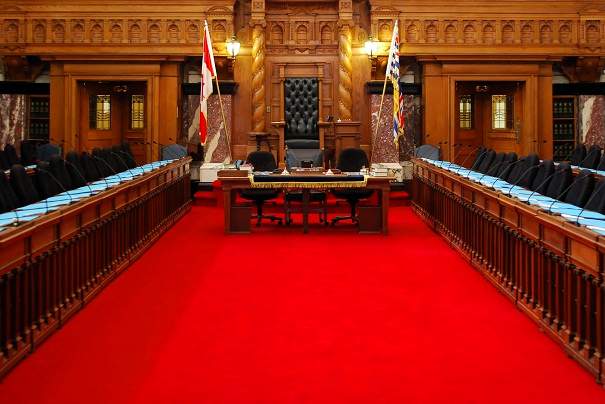
Entering a legislative sitting isn't just about showing up for media scrums. It requires absolute operational readiness. When a party surges from the political margins straight into official opposition status, the learning curve for rookie politicians is vertical. You aren't just campaigning anymore; you are parsing thousands of pages of budget estimates, drafting targeted amendments, and holding a sitting government accountable during question period.
Most casual observers don't realize how much administrative heavy lifting goes into preparing for a legislative session. Research teams work around the clock, converting raw policy ideas into actionable bills and rigorous interrogations. For the BC Conservatives, transforming campaign momentum into structured legislative pressure meant establishing immediate discipline inside the chamber.
Shifting From Campaign Mode to Governance
Campaigns reward broad strokes and emotional rallies. Legislatures reward tedious, relentless preparation. The transition from outdoor stump speeches to indoor committee rooms catches many upstart politicians off guard.
- Mastering Standing Orders: Knowing the procedural rules of the house is worth more than a dozen fiery press releases.
- Committee Scrutiny: This is where government spending actually gets challenged line by line, away from television cameras.
- Caucus Alignment: Keeping a diverse group of MLAs moving in the same strategic direction requires constant internal communication.
When opposition members fail to master these mechanics, governments easily coast through accountability checks. That's why the push for an active fall legislative agenda carried such high stakes for the party's long-term credibility.
What Voters Actually Expect From the Opposition
Taxpayers don't send politicians to Victoria to stage endless political theater. They want clear answers on housing costs, healthcare delivery bottlenecks, and economic competitiveness. If an opposition party spends all its floor time on partisan posturing rather than concrete policy alternatives, public support evaporates fast.
The pressure on conservative lawmakers in British Columbia remains intense because public expectations are sky-high. Voters who backed a major political realignment expect aggressive, intelligent pushback against government overreach. Delivering on that mandate takes more than wishful thinking—it takes a cohesive strategy that survives contact with experienced government ministers and professional bureaucrats.
The work inside the legislature dictates whether a rising political movement matures into a genuine government-in-waiting or fades away as a temporary protest vote. Every single sitting day provides a test of competence, focus, and strategic discipline.
John Rustad resigns as B.C. Conservative leader
This video provides context on the leadership challenges and internal dynamics within the BC Conservative Party following their historic election breakthrough.