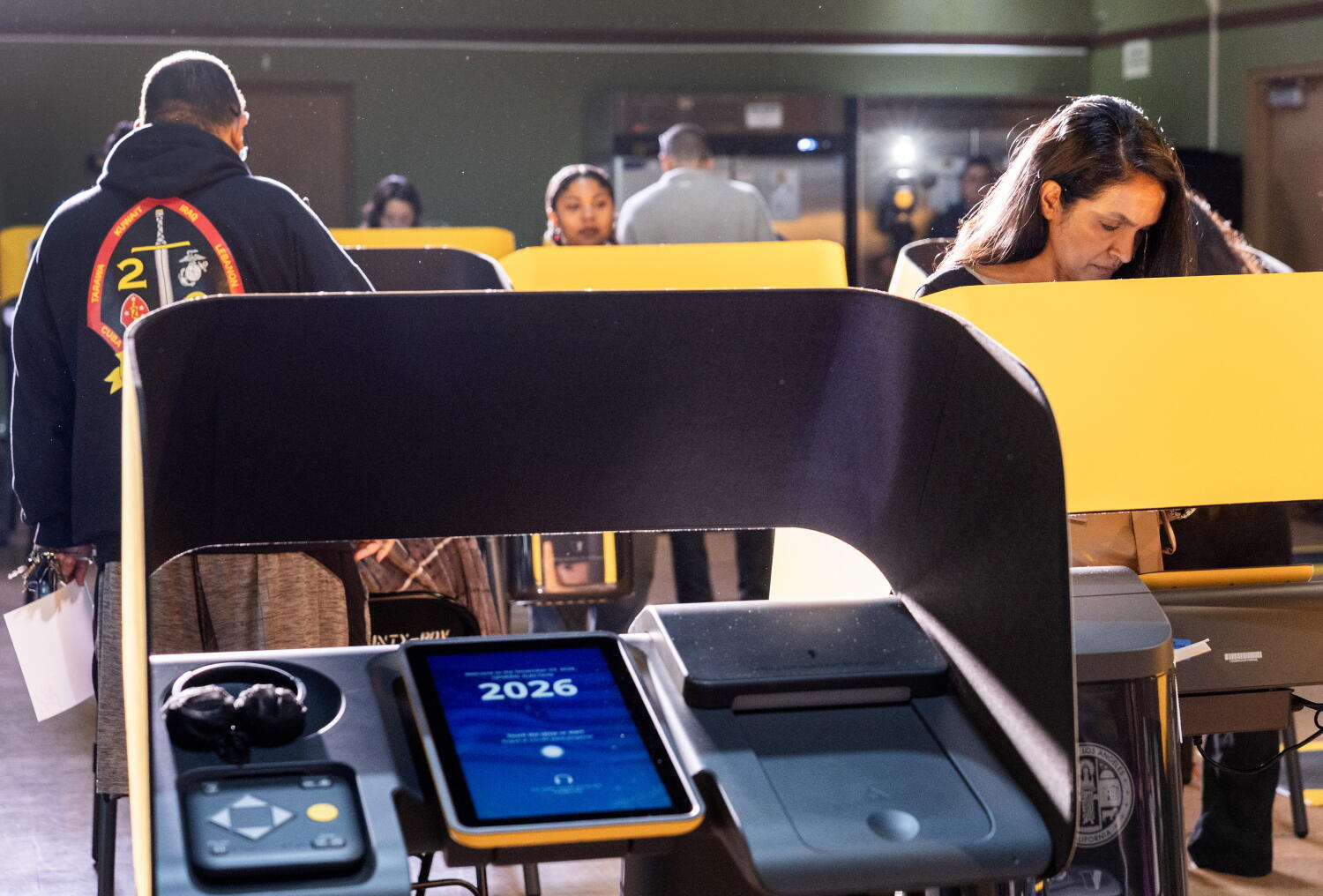
When federal personnel arrived at polling sites in Los Angeles County on Election Day, it wasn't just another routine check on voting procedures. It marked the culmination of a high-stakes legal battle over who controls local ballot boxes on Election Day.
Hours before polls opened across California on Tuesday, November 3, 2026, appellate judges issued rapid-fire rulings that rewrote the rules for election oversight. The legal tug-of-war ended with federal election observers on the ground in Los Angeles, setting off a confrontation between state sovereignty and executive authority.
If you've been watching this unfold, you know the situation feels confusing. The legal wrangling moved so fast that even veteran court watchers needed a moment to track which injunction was active. Here is what actually went down, why it matters, and what you need to know about your rights as a voter right now.
What Triggered the Emergency Court Rulings
The fight started weeks before Election Day when the federal government sent demands to California and Los Angeles County officials. Federal agencies claimed they had flagged approximately 20,000 registered voters as potentially ineligible. They demanded local election officials segregate these ballots or face potential criminal charges.
California state officials refused. Local reviews by Los Angeles County revealed significant errors in the federal data, finding that many individuals on the list were native-born U.S. citizens or correctly registered voters. Civil rights organizations and labor groups representing poll workers immediately stepped in, filing lawsuits to stop what they described as federal voter intimidation.
A federal district judge initially issued a temporary restraining order, barring federal officials from threatening local poll workers or forcing the segregation of ballots. But the legal battle escalated rapidly through the appellate system:
- The Three-Judge Panel Ruling: A panel at the 9th U.S. Circuit Court of Appeals temporarily paused the lower court's restraining order, allowing federal oversight activities to proceed.
- The En Banc Counter-Decision: The full 9th Circuit bench moved to reconsider the stay, resulting in hours of legal whiplash right up to Election Day morning.
- The Supreme Court Stand: Meanwhile, the U.S. Supreme Court declined an emergency application to void the challenged California ballots, keeping those votes in the active tally.
The result? Federal monitors from the Department of Justice were cleared to observe operations on the ground, but local precinct commanders and county clerks retained full authority over ballot processing.
Why Federal Monitors in L.A. Are Different This Time
Federal election observers aren't fundamentally new. The Department of Justice has sent civil rights attorneys to monitor elections since the passage of the Voting Rights Act of 1965.
What changed in 2026 is the scale and structural setup. Historically, observers were deployed to specific jurisdictions under explicit federal court mandates or targeted civil rights enforcement provisions. Today, federal monitoring expanded nationwide, deploying personnel from non-traditional divisions and affiliated federal agencies into local vote-counting centers.
In Los Angeles County—which operates the largest local election jurisdiction in the United States—local election workers found themselves operating under the direct gaze of federal teams while processing millions of vote-by-mail and in-person ballots.
California law explicitly states that election administration is a state function under the U.S. Constitution's Elections Clause. The state's system relies on standardized verification procedures: matching signatures against state records, verifying voter registration status through local databases, and auditing physical paper ballots. When federal entities try to mandate alternative sorting rules mid-stream, it creates friction at every level of county operations.
The Real Core of the Dispute: Who Controls Your Ballot?
Strip away the political posturing, and this comes down to constitutional power. Under Article I, Section 4 of the U.S. Constitution, states control the "Times, Places and Manner" of holding elections unless Congress explicitly steps in with federal legislation.
The current legal standoff hinges on two opposing viewpoints:
- The Executive Authority Claim: Proponents of federal intervention argue that federal law enforcement has an inherent interest in monitoring voter eligibility and preventing non-citizen voting under federal statutes.
- The State Sovereignty Claim: California officials and voting rights advocates maintain that state election clerks hold sole legal authority over processing ballots. They argue that federal threats to prosecute local poll workers who follow state law violate anti-intimidation protections.
This isn't just an abstract legal debate. It directly impacts how votes get counted on Election Night and how quickly results can be certified.
What This Means for Voters Right Now
If you're casting a ballot or waiting for election results in California, these court battles don't change your fundamental voting protections.
Your vote counts as long as you're registered and submit your ballot according to state guidelines. Local election officials remain bound by California law to count every valid ballot cast by registered voters.
Here is what you should keep in mind as post-election tabulations continue:
- Ballot Processing Rules Hold Firm: Federal monitors are present as observers; they don't have the legal authority to physically take ballots, touch tabulators, or alter local counting protocols.
- No Direct Voter Interrogation: Federal observers in polling sites are not permitted to question individual voters about their eligibility or interfere with lines.
- Reporting Disruption: If you observe intimidation or unapproved interference at a vote center, notify local election supervisors immediately. Local poll managers maintain legal custody of the facility.
Next Steps for Tracking Your Vote
Don't let legal news headlines create uncertainty about your cast ballot. You can track your ballot's status directly through California's official state tracking tools:
- Log on to the official California "Where's My Ballot?" portal to verify your ballot was received and processed by your county registrar.
- If your county notifies you of a signature discrepancy, complete and return your signature cure form within the statutory grace period.
- Keep track of official local election updates directly from the Los Angeles County Registrar-Recorder/County Clerk office rather than relying on unverified social media updates.