When military jets strike targets in the Strait of Hormuz without warning, the shockwaves hit global energy markets before the dust even clears. That is exactly what happened when recent unannounced U.S. operations targeted strategic infrastructure around Qeshm Island, Hengam, and Bandar Abbas.
If you are trying to figure out what these sudden maneuvers mean for international shipping, oil prices, and regional stability, you are not alone. The bigger issue isn't just the explosions heard across the Persian Gulf. It is the absolute uncertainty hanging over the future of the entire waterway.
The Chokepoint That Controls the World Economy
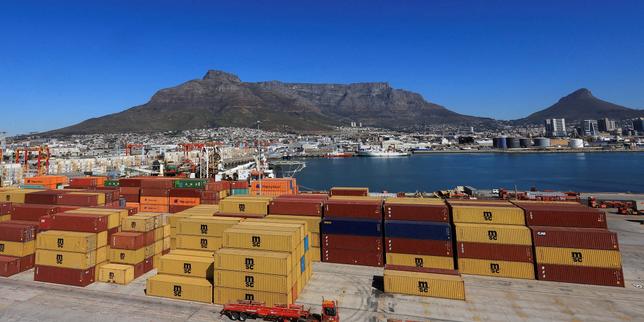
Let's be honest about why this specific strip of water matters so much. A massive chunk of the planet's seaborne oil trade and liquefied natural gas passes through this narrow passage every single day. When tensions spike here, the global economy sneezes.
For months, the region has been trapped in a high-stakes cycle of fragile ceasefires, blocked trade routes, and retaliatory actions. Commercial shipping companies are left playing a dangerous guessing game. Do they risk sending tankers through, or do they idle offshore and watch shipping insurance premiums skyrocket?
The recent U.S. strikes weren't launched in a vacuum. Reports indicate intense diplomatic friction behind the scenes, with regional leaders pushing for aggressive action while others warn of total economic fallout. Iran's response has been predictable yet defiant, with officials warning that Washington is miscalculating the resilience of local defense forces.
Why Negotiations Keep Collapsing
Everyone wants a diplomatic off-ramp, but nobody wants to blink first. Washington wants strict containment and total security for commercial vessels. Tehran wants unconditional relief from crippling sanctions and the release of frozen assets before they agree to permanent terms.
That standoff is precisely why limited military operations keep happening. When talks stall, missiles fly. It is a grim pattern that avoids full-scale regional war on paper while creating constant chaos on the water.
You have to look at the political calendar, too. Major domestic events in the United States often cast a long shadow over foreign policy decisions. Quick, decisive military responses can project strength, but they rarely solve the underlying geopolitical deadlock. They just push the crisis to next week.
What Happens to Global Energy Markets Now?
Markets hate surprises. Every time explosions echo near Bandar Abbas, energy traders instantly price in supply disruptions. Even when preliminary data shows oil flows managing to find alternative routes or partial recoveries, the cost of moving goods stays stubbornly high.
Higher transport costs trickle down directly to everyday consumers. Fuel prices rise, manufacturing supply chains tighten, and inflation ticks upward. That is the real cost of the ongoing standoff in the Gulf. It hits wallets thousands of miles away from the Strait.
Expect more volatility in the coming weeks. Until a binding, long-term maritime agreement takes root—one that satisfies both security demands and economic survival for regional players—the Strait of Hormuz will remain a powder keg. Keep an eye on insurance rates for commercial tankers and direct diplomatic channels between international envoys. Those indicators will tell you long before official statements whether a lasting peace is possible, or if the next strike is already being planned.