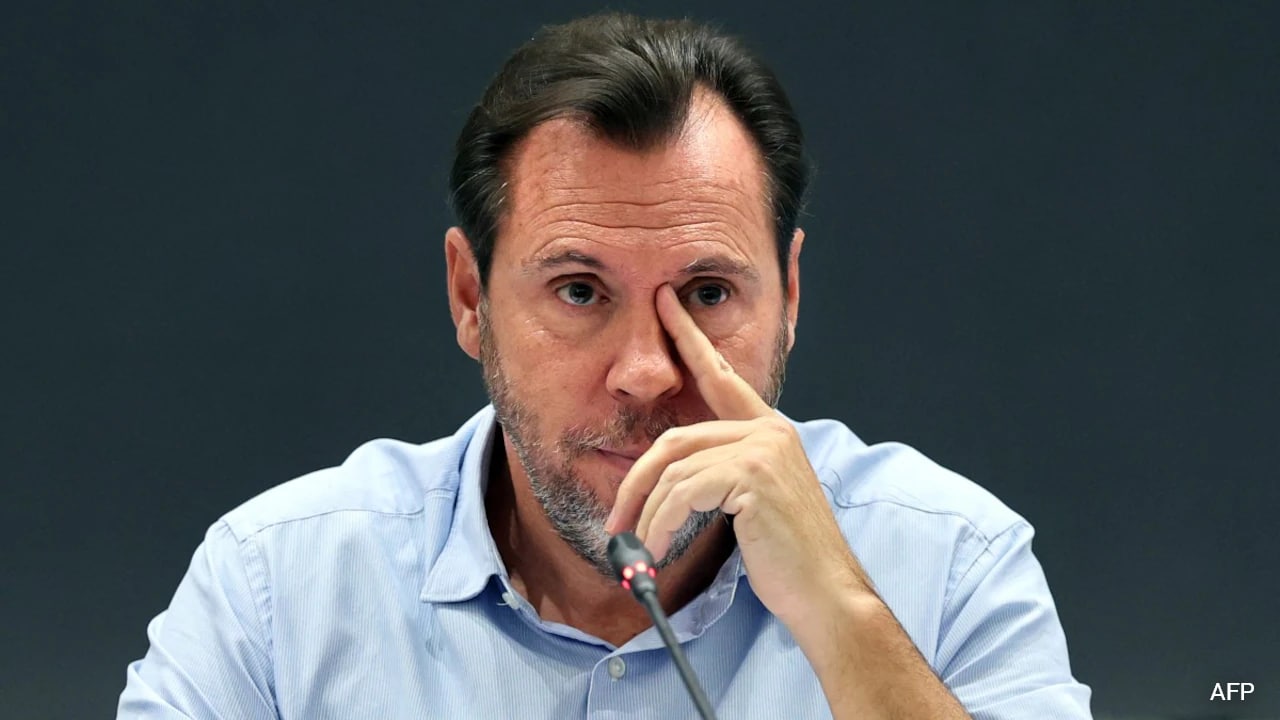
Political survival has limits. For Spain's Transport Minister Óscar Puente, those limits arrived at the end of a grueling parliamentary hearing, forced by a catastrophe that claimed 69 lives in Urda.
If you've followed European politics for long, you know that ministers rarely step down immediately. They deflect, they absorb the initial blow, and they wait for the news cycle to drift. Puente tried that playbook for days after the rear-end high-speed train collision in Toledo province. It didn't work. When a nation experiences two massive railway tragedies within a single year, political stubbornness turns into an active liability.
He finally threw in the towel late Tuesday evening, withdrawing his name from candidate lists for the upcoming November 29 general election. It was an admission that accountability, however delayed, still haunts high office.
The Breaking Point in Parliament
Puente didn't walk away on a whim. He spent hours facing lawmakers in the Permanent Deputation of Spain's Congress of Deputies, answering aggressive and justified questions about the October 28 disaster. The pressure had reached a boiling point. Drivers' unions were threatening strikes, public outrage was palpable, and the opposition smelled blood in the water.
He framed his departure around political dignity, consistency, and empathy for the victims. "A transport minister cannot remain in office after two accidents of such severity in less than a year," he told parliament.
That sentence changed the room. It was direct, unvarnished, and stripped of the usual bureaucratic defense mechanisms. He admitted that he had wanted to step down right after the Urda tragedy, but claimed he stayed on briefly to lock down short-term rail safety measures. Whether you believe the timeline or view it as damage control, the outcome remains the same: the seat became too hot to hold.
Systemic Failures Beneath the Surface
Public anger isn't just about one bad night on the tracks. It's about a pattern. High-speed rail networks are supposed to represent the pinnacle of modern engineering and safety. When two catastrophic incidents happen in such a short window, people start looking closely at infrastructure investments, signaling systems, and maintenance delays.
Questions have swirled around the delayed rollout of advanced safety upgrades like the European Rail Traffic Management System (ERTMS) on vital corridors. Critics and railway unions point out that modernization projects have lagged behind schedule, leaving older legacy systems or transitional setups to shoulder heavy loads.
When things work, nobody thinks about signaling architecture. When 69 people die in a rear-end collision, every missed deadline and delayed contract becomes a criminal indictment of political priorities. Unions pushed back fiercely against any narrative attempting to pin the entirety of the blame on simple human error by drivers, demanding a transparent look at systemic vulnerabilities.
What Happens Next for Spanish Transit
Puente's resignation creates an immediate vacuum inside the Socialist Workers' Party (PSOE) just weeks before a high-stakes general election. Pulling his name off the Valladolid candidate list is a massive tactical shift. The party now has to scramble to steady public trust in a core ministry while managing an ongoing electoral campaign.
More importantly, the incoming leadership inherits a wounded rail network. Commuters and long-distance travelers are understandably nervous. Restoring confidence requires more than a sacrificial resignation; it demands hard cash, expedited safety technology deployments, and an honest audit of how maintenance is managed across Spain's expansive high-speed web.
He took the fall because the optics of staying were toxic. Now, the real work begins for whoever takes the helm.