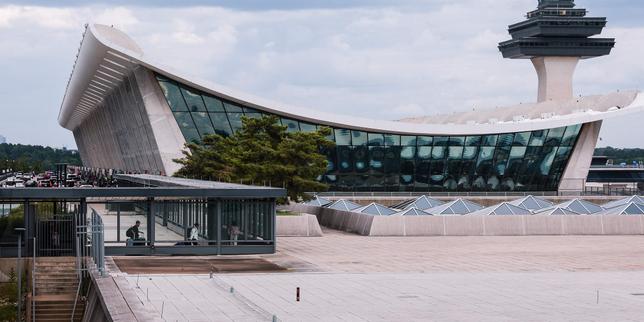
If you have ever landed at Washington Dulles International Airport, you probably remember two things: the striking modernist main terminal designed by Eero Saarinen and the utter frustration of dealing with the archaic "people movers". President Donald Trump wants to change that. Working alongside Transportation Secretary Sean Duffy and airline executives, the administration just rolled out a massive 22.5 billion dollar overhaul plan aimed at dragging the 63-year-old aviation hub into the modern era.
Announced from the Oval Office, the proposal targets everything travelers love to hate about the airport. Trump didn't hold back his critique, calling it one of the worst layouts for passengers due to the grueling walking distances and outdated logistics. But will this multi-billion-dollar bet actually fix the underlying problems, or is it just another political monument destined for endless delays? Let's look at what is changing and why it matters right now.
Killing the Infamous People Movers
For decades, Dulles has relied on those giant, lumbering mobile lounges known as people movers to shuttle passengers between terminals and planes. Built back in 1962, they felt futuristic once. Today, they feel like a slow torture device after a long international flight.
The new redevelopment blueprint scraps them entirely. In their place, the airport will install a comprehensive U-shaped passenger train system, a central walking tunnel equipped with moving walkways, and entirely new concourses. If you hate standing in crowded mobile pods breathing jet exhaust while waiting to cross the tarmac, this change alone makes the project worth watching.
Who Pays for the 22.5 Billion Dollar Makeover?
A price tag north of 22 billion dollars always raises eyebrows. Who is footing the bill?
According to officials from the Metropolitan Washington Airports Authority and airline representatives like United Airlines CEO Scott Kirby—who was present at the White House announcement—the funding will rely on municipal bonds, airport revenue, and private sector airline backing rather than direct federal tax appropriations. John Potter, head of the airport authority, confirmed that the participating carriers have agreed to fund the transformation.
However, frequent flyers should expect a catch. Mega-projects of this scale usually mean higher ticket taxes, increased passenger facility charges, or steeper airline fees passed down to the consumer. Nobody builds a massive U-shaped train network and a giant parking structure for 32,000 vehicles without someone paying for it at the ticket counter.
Remaking the Capital Region
This airport overhaul fits neatly into a broader pattern. Trump has made no secret of his desire to reshape the physical footprint of Washington, D.C., before his term concludes in January 2029. From plans for a new White House ballroom to proposals for a towering triumphal arch near the Lincoln Memorial, the administration is leaning hard into monumental architecture.
Yet, out of all these construction initiatives, upgrading Dulles is arguably the most practical. Last year alone, the airport processed roughly 29 million passengers. It is the primary international gateway to the American capital and a vital hub for United Airlines. When a facility handling that volume breaks down, the friction ripples across the entire national transit grid.
What Happens Next
Getting architectural renderings approved in the Oval Office is the easy part. The real test begins now. Congress will need to sign off on specific legislative adjustments, environmental reviews must clear, and local authorities have to coordinate construction schedules while keeping millions of travelers moving.
If construction kicks off as hoped next spring, passengers should brace for years of active zone congestion, terminal shifts, and parking headaches. Keep an eye on how the financing structure evolves, because ticket prices out of Dulles might start creeping up long before the first new train tracks are laid.


