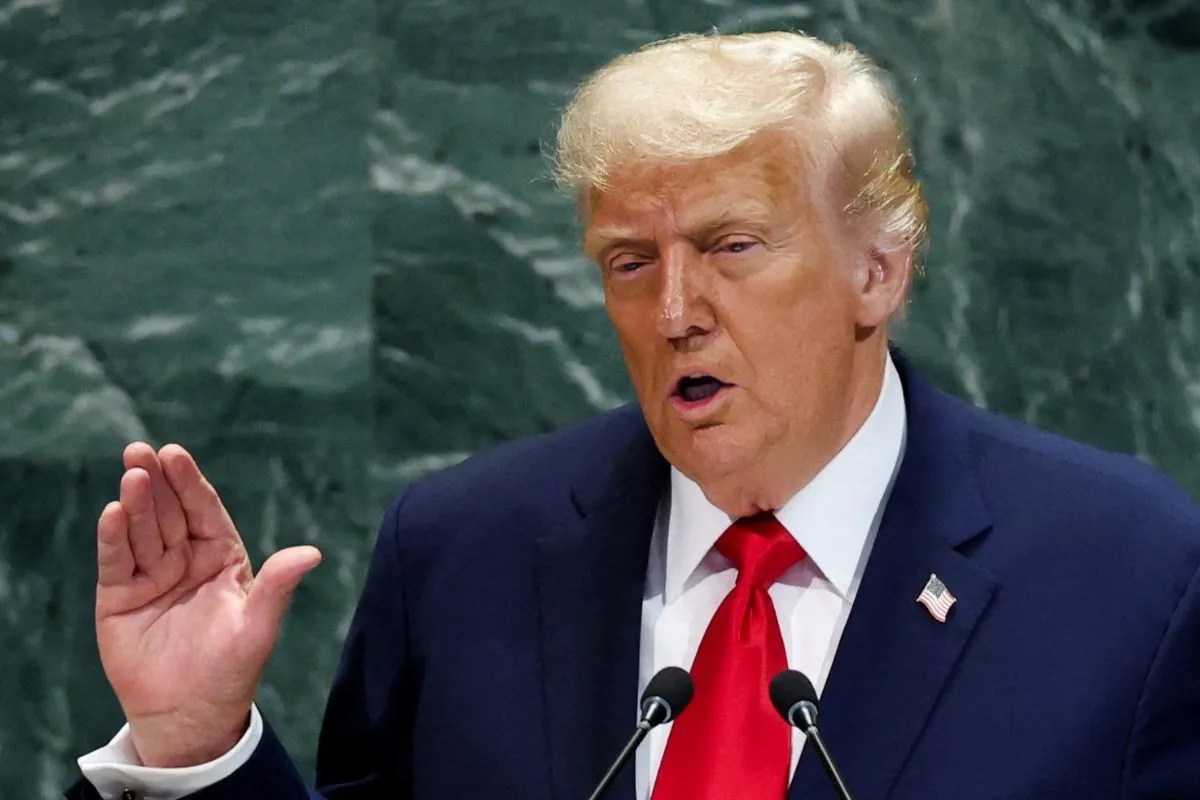
Global energy markets don't care about politics. They care about supply and panic. When Donald Trump publicly turned up the heat on Volodymyr Zelenskyy over drone strikes targeting Russian refineries, it wasn't just a casual diplomatic remark. It was a stark warning about what happens when modern warfare collides with fragile fuel supply chains.
Trump laid it out plainly from his golf resort in Doonbeg, Ireland. He claimed that ongoing Ukrainian drone and missile attacks on Russia's diesel production infrastructure are causing a massive worldwide fuel squeeze. The core argument is simple. If you blow up the facilities refining diesel, pump prices spike everywhere. And the ripple effect hits consumers long before diplomats can draft a peace treaty.
The Real Cost of Targeting Energy Nodes
For months, Kyiv's military strategy relied heavily on long-range drone strikes hitting deep inside Russian territory. They aimed at the economic engine of Moscow's war machine: oil depots, petrochemical plants, and major refineries like those in Slavyansk-on-Kuban and Nizhnekamsk. It makes tactical sense from a purely military viewpoint. Cut off the fuel, and armored columns stall out.
But Trump argues the collateral damage is global. While Western leaders often point to Middle Eastern tensions as the primary culprit for fluctuating energy prices, Trump shifted the blame squarely onto the Russia-Ukraine conflict. He insisted that the squeeze on diesel comes directly from these targeted refinery disruptions, forcing rationing in parts of Russia and tightening availability worldwide.
What Critics and Strategists Miss
Most armchair analysts look at these attacks as black-and-white military moves. They either cheer for Ukraine's clever asymmetrical tactics or condemn the collateral risks. But they miss the structural reality of the global diesel market. Diesel isn't just another commodity. It's the lifeblood of global logistics, commercial trucking, agriculture, and heavy industry.
When a major producer's refining capacity takes a hit, the deficit creates a domino effect. Even if crude oil supplies remain steady, the refined product bottleneck sends shockwaves through international shipping costs and local pumps. Zelenskyy faces a brutal dilemma. Does he halt high-impact strikes that pinch Moscow's economy, or does he risk alienating key international figures who worry about soaring fuel costs hitting voters back home?
The Geopolitical Balancing Act
Trump's direct intervention highlights a growing friction point in the Western coalition. Leaders want to back Ukraine's defense, but they also have to manage inflation and domestic energy security. When fuel prices start climbing due to refinery blackouts, political pressure mounts instantly.
Ukraine's strategy of hitting energy infrastructure isn't slowing down easily, but the diplomatic costs are rising. Expect tighter scrutiny on how Kyiv conducts long-range operations moving forward. Energy markets will remain hyper-sensitive to every drone strike reported near Russian industrial hubs. Keep a close eye on retail diesel futures and supply reports over the coming weeks. That's where the real story of this war's economic fallout is actually written.