Numbers do not lie, but they certainly send panic through campaign headquarters. When a sitting president hovers near an all-time low approval rating just days before a major national vote, the political ground shifts beneath everyone's feet.
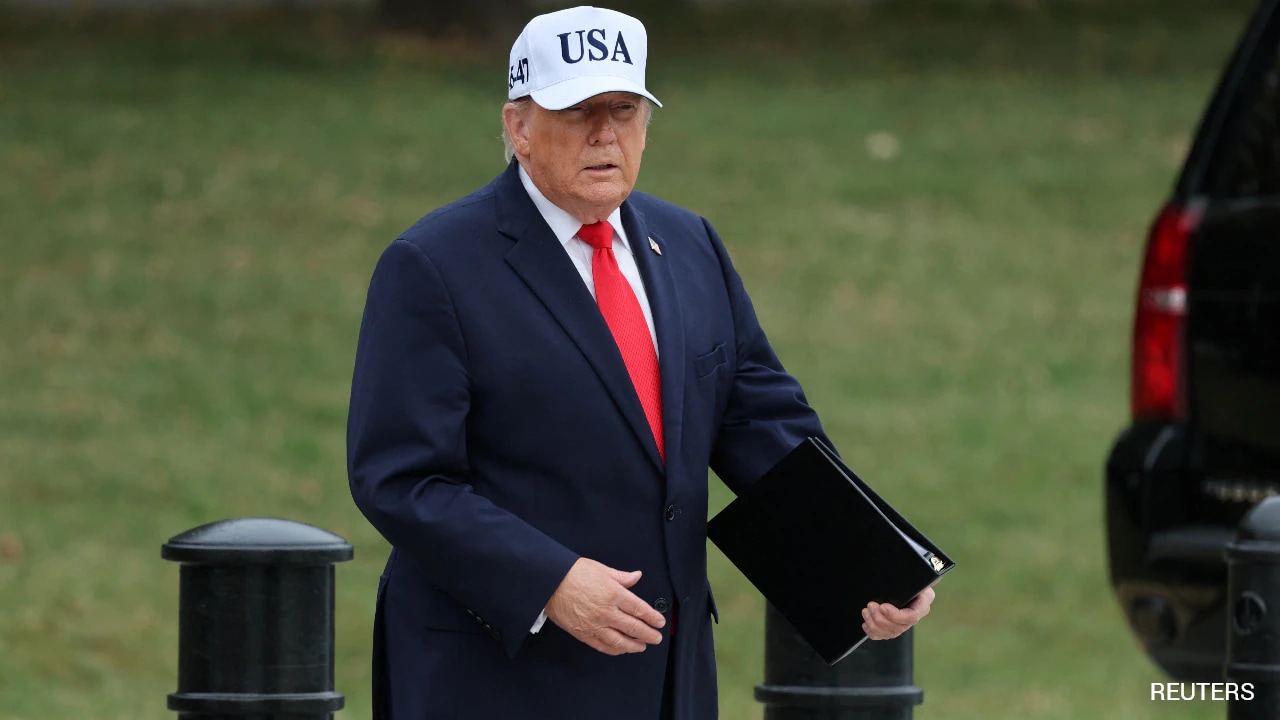
Donald Trump sits at a brutal 32 percent approval rating in the latest Reuters/Ipsos polling data heading into the midterm elections. That figure is barely above his absolute floor of 31 percent recorded weeks prior. Even though his name is absent from congressional ballots, his shadow looms over every single district across the country.
The Cost of Living Crisis and Foreign Policy Fallout
You cannot separate public sentiment from grocery bills and gas pumps. Voters care about their wallets above all else. When fuel prices spike following military actions involving Iran earlier this year, public frustration turns into an immediate political weapon.
Inflation and the rising cost of living dominate voter concerns. Nearly 78 percent of respondents point to everyday economic strain as the single most critical factor guiding their trip to the ballot box. When pollsters ask which political party handles these economic pressures better, Democrats pull ahead with 43 percent compared to the Republican share of 32 percent.
Voters do not make distinctions between global strategy and local grocery prices. They connect the dots directly to the White House.
Independents and the Referendum Dynamic
Elections are won and lost in the center. Right now, independent voters are treating this congressional contest as a direct referendum on the current administration.
Half of all registered independents state explicitly that their vote acts as a direct vote against Trump. Only a small fraction view their vote as support for the president, while the remainder claim the executive branch does not factor into their local decision. That stark imbalance spells trouble for Republican candidates trying to hold onto fragile congressional majorities.
Control of the House of Representatives hangs in the balance. Political strategists across party lines acknowledge that Democrats hold a clear structural advantage in the battle for the lower chamber, where every single seat faces reelection. The Senate presents a more complicated battlefield, yet the national mood heavily influences local races.
Enthusiasm Gaps and Generic Ballots
Energy wins elections. On paper, the generic congressional ballot gives Democrats an 8-percentage-point lead over Republicans, standing at 46 to 38 percent. While that gap narrowed from an 11-point spread earlier in the month, the underlying momentum remains heavily lopsided.
Look at voter enthusiasm. Nearly half of all Democratic voters report being very enthusiastic about casting their ballots this cycle. Contrast that with only 33 percent of Republicans expressing the same level of drive. That enthusiasm gap translates directly into turnout differences at neighborhood polling stations.
When your base lacks fire while your opponents are energized, traditional party discipline starts to fracture.
Looking Past the Midterms
No matter how the final tallies shake out, these numbers force a rapid realignment in Washington. A president facing low public confidence must navigate a hostile or divided legislature. Threatening vetoes from the Oval Office sounds tough on television, but governance requires actual working majorities.
Pay attention to how congressional survivors adapt once the dust settles. The electorate just sent a loud, expensive message about what matters most. Ignoring it guarantees steeper political losses tomorrow.