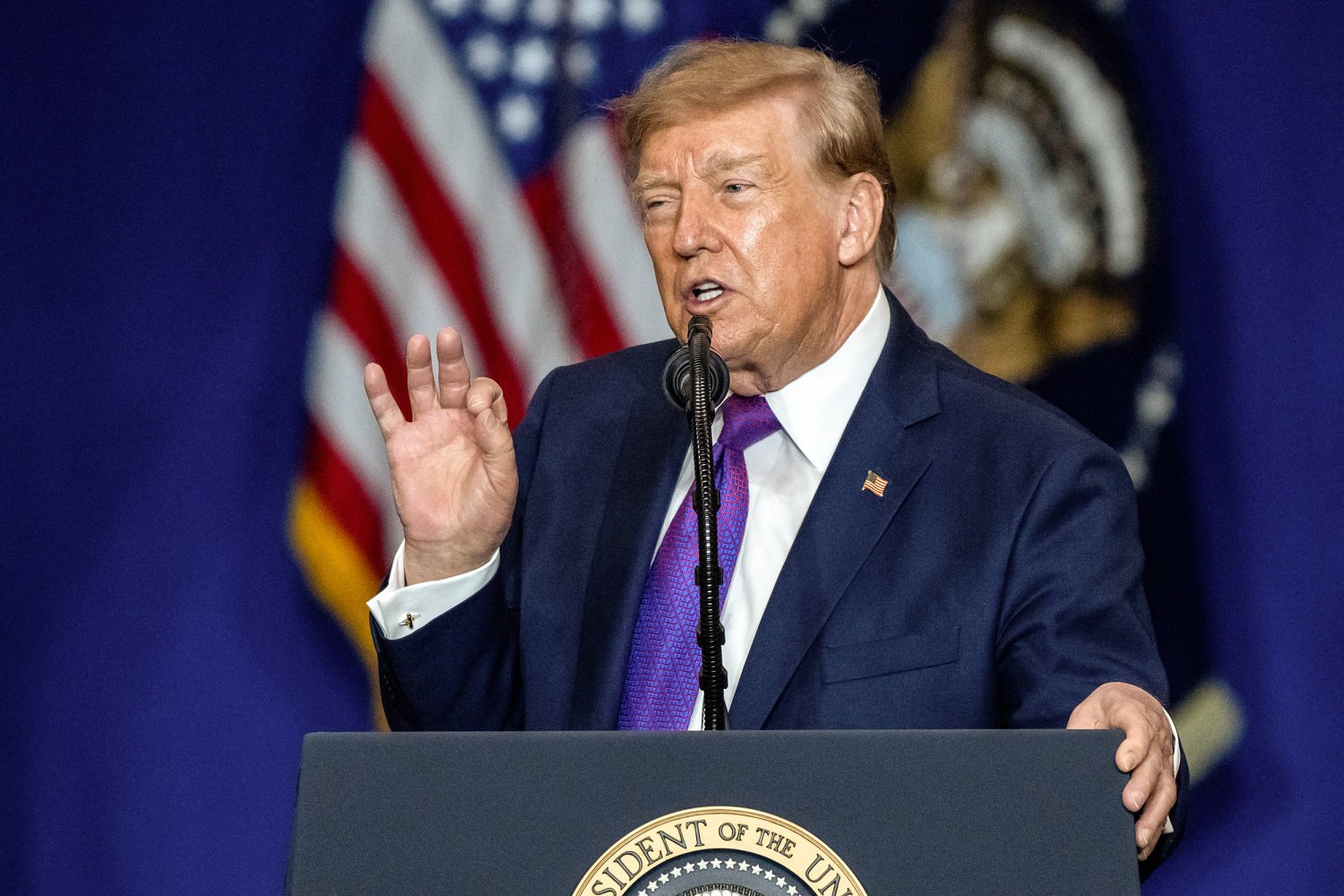
A three-judge panel on the U.S. Court of Appeals for the Second Circuit just handed President Donald Trump a fresh legal opening in his fight to erase his New York hush-money conviction. The ruling doesn't toss his 34 felony counts today. Far from it. Still, it reopens a door that looked shut for months.
Let's cut straight to what actually happened on Monday, November 23, 2026. Judges Raymond J. Lohier Jr., John M. Walker Jr., and José A. Cabranes vacated an August 2026 order from federal district court and told the lower court to promptly address whether Trump's state criminal case belongs in federal court. Moving the case into federal jurisdiction is the necessary step before Trump's team can push dismissal arguments tied to presidential immunity.
If you're following this appeal, the biggest trap is assuming a procedural win equals an overturned verdict. It doesn't. Trump's conviction on 34 felony counts of falsifying business records—stemming from reimbursing former lawyer Michael Cohen for a $130,000 payment to adult-film performer Stormy Daniels ahead of the 2016 election—remains intact on the record. Back in January 2025, just before his second term began, sentencing ended in an unconditional discharge with no prison time or financial penalty, yet the felony record itself stayed put.
What the Second Circuit Actually Decided on Trump's Appeal
People love dramatic headlines, so they read "door opened" and picture federal marshals marching into Manhattan criminal court to tear up a verdict. Honestly, that's not how federal removal works.
In August 2026, U.S. District Judge Alvin Hellerstein had blocked Trump's attempt to file a second notice of removal to shift the state case into federal court. Hellerstein—who passed away in October 2026 at age 92—had taken a firm view that removal after a state conviction wasn't available in that posture and found Trump hadn't shown enough "good cause" to try again.
The Second Circuit panel pushed back on those legal hurdles. Look at who sat on the panel: Lohier and Cabranes were appointed by Democratic presidents, while Walker was appointed by a Republican. Cross-party panels on the Second Circuit carry real weight in appellate circles because they signal the issue isn't just partisan noise—it's a dispute over statutory boundaries and federal court authority.
Even so, the appeals judges didn't declare that the case must move to federal court. They instructed the lower federal court to rule promptly on whether removal should be permitted, without locking in a rigid deadline. That distinction matters when you're tracking the timeline.
Why Federal Jurisdiction Is the Real Chess Move
Why is Trump's legal team—led by attorney Robert Giuffra Jr.—fighting so hard to get into federal court instead of relying solely on New York state appeals?
Because federal court sets up a very different fight over presidential immunity and federal preemption. In state court, trial Judge Juan Merchan and New York appellate judges have already faced arguments from the defense claiming prosecutors leaned on improper evidence or stepped onto federal turf under the Federal Election Campaign Act. Manhattan District Attorney Alvin Bragg's appellate team, including Steven Wu, has argued that federal courts previously rejected preemption claims and that the charges rest on falsifying New York business records.
Giuffra has warned that staying strictly on the state appellate track could drag out for years before reaching the U.S. Supreme Court. From a litigator's perspective, getting a federal court ruling on removal and immunity creates an alternative route—and potential leverage—if the case shifts forums.
Wait—let's be real about the odds here. Getting permission to file a notice of removal or getting a prompt lower-court ruling is step one, not the finish line. Multiple courts have already scrutinized whether the underlying conduct involved official presidential acts versus unofficial conduct before taking office. A federal judge can still say no to removal on the merits, or find that immunity doesn't wipe out the verdict.
Parallel Tracks in State and Federal Court
One thing that trips up casual readers is treating this as one single courtroom drama. It's two tracks running side by side, and each one has its own friction points.
- The state appellate track: Earlier in November 2026, a five-judge New York appellate panel heard arguments over the 34 felony convictions. Judges questioned both defense counsel and prosecutors sharply on whether federal election law theories tainted the state charges and whether any evidentiary missteps crossed the line from harmless error into reversible error.
- The federal removal track: Monday's Second Circuit order revives the question of moving the case out of state court into federal court so immunity arguments can be pressed there. Because Judge Hellerstein died in October 2026, the lower-court handling on remand unfolds without the judge who previously wrote those skeptical removal orders.
If you've ever watched complex appellate litigation up close, you know how messy dual-track strategy gets. A win on a procedural motion in one court doesn't automatically freeze or erase what another court is doing. Sometimes it just adds another layer of briefing and another round of delays.
Common Misconceptions About This Ruling
Let's clear up a few things people keep getting wrong in group chats and comment sections:
- The conviction is already overturned. False. The 34 felony counts remain on Trump's record unless a court vacates or dismisses them.
- The Second Circuit ruled on presidential immunity. False. The panel addressed the lower court's refusal regarding removal procedure and directed a prompt ruling on whether the case should be in federal court.
- An unconditional discharge means nothing is left to fight. Kinda true practically—there's no jail sentence or fine attached to an unconditional discharge—yet a felony conviction carries legal and historical weight that defendants routinely fight to clear.
Practical Next Steps If You're Following the Case
If you want to track this appeal without getting whiplash from every hot take, do a few simple things:
- Watch the lower federal court docket first: Look for the order addressing whether the case should remain in federal court following the Second Circuit's directive. That order tells you whether the immunity fight actually gets traction in federal court.
- Read primary filings and appellate coverage side by side: Check outlets like AP News and PBS News for exact procedural posture rather than relying on social media summaries.
- Separate procedure from outcomes: Keep a mental line between getting a hearing or a remand order and winning reversal on the merits. In appellate law, opening the door is real progress, but walking through it takes much more.