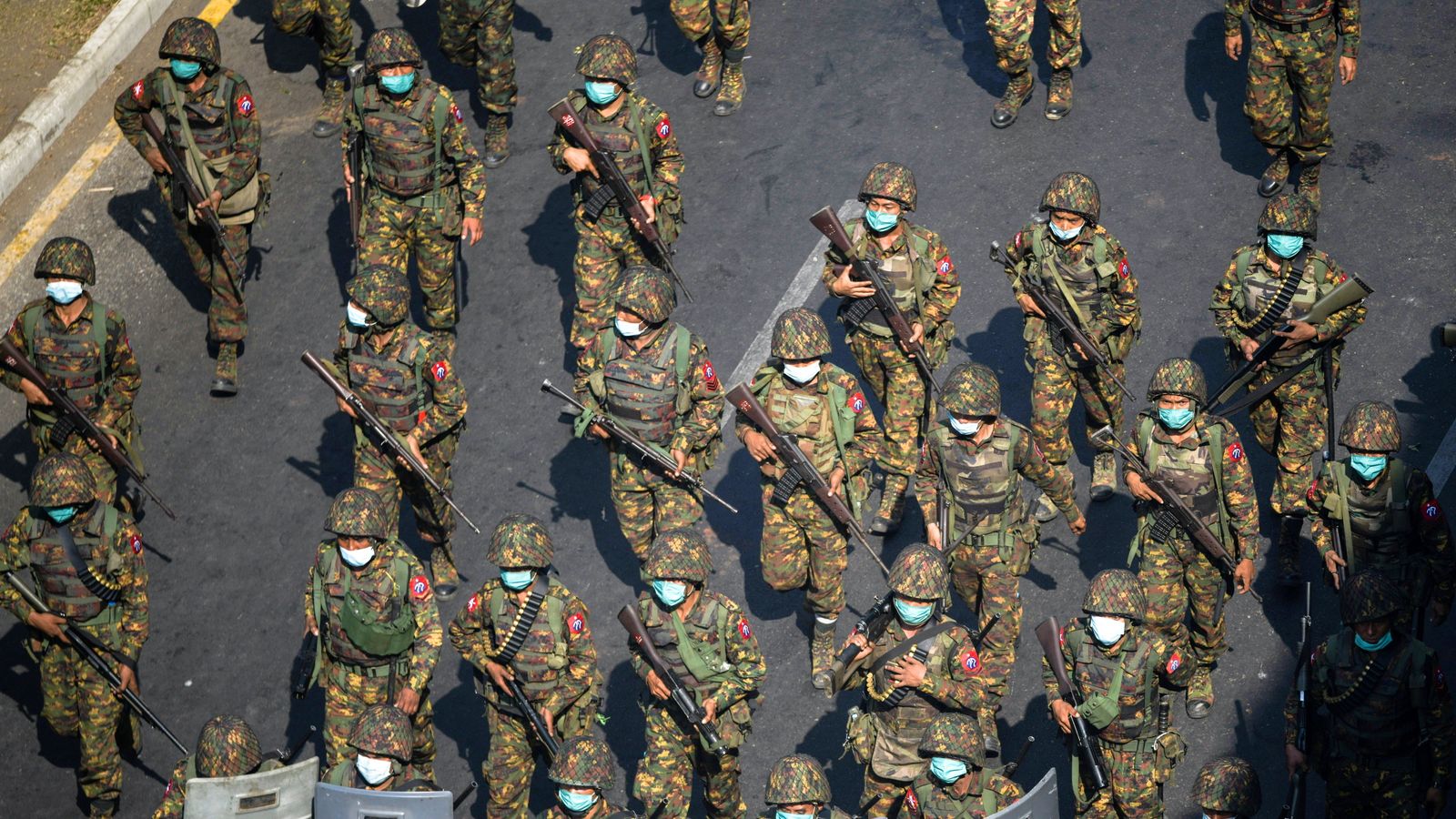
For over forty years, the conflict between the Turkish state and the Kurdistan Workers' Party, known as the PKK, has torn through communities and cost tens of thousands of lives. If you've followed Middle Eastern politics even casually, you know the cycle: brief glimmers of dialogue followed by brutal crackdowns, shattered ceasefires, and endless grief. But recent legislative shifts in Ankara have forced a shift in the conversation. Turkiye's parliament recently passed a conditional pardon framework aimed directly at reintegrating thousands of militants. It's a pragmatic pivot away from endless bloodshed, but it leaves massive questions unanswered.
You can't talk about this new phase without looking at how we got here. The current push didn't happen in a vacuum. It follows years of underground maneuvering, strategic realignments, and a dramatic call from imprisoned PKK founder Abdullah Ocalan for the group to lay down its arms and dissolve. When Ocalan signaled a willingness to move away from armed struggle, it opened a door that hardliners on both sides had spent decades trying to lock permanently.
Yet, translating a ceasefire into actual societal healing is messy. In the Kurdish-majority southeastern city of Diyarbakir, reactions aren't filled with blind optimism. They're layered with caution, relief, and deep skepticism. People remember the collapse of the 2013-2015 peace initiative. They know that passing a bill in parliament is easy compared to undoing generations of systemic distrust.
The new legal mechanism suspends prison sentences for certain militants for up to ten years, offering a de facto amnesty if they avoid repeat offenses. Thousands of individuals—some in exile across Europe, others in rugged camps in northern Iraq—now face a choice about returning home. But the exclusion of intentional homicides and pre-2005 life sentences means top-tier leadership, including Ocalan himself, remains locked behind bars. That exclusion is precisely why critics argue this is merely a security measure rather than a true resolution to the broader Kurdish question.
Let's be honest about what's missing. Solving the insurgency doesn't automatically fix the political and cultural grievances of Turkiye's Kurdish minority. Local leaders point out that issues like native language education, the arbitrary removal of elected pro-Kurdish mayors, and broader constitutional rights remain unaddressed. Stopping the bullets is a massive victory, but true peace requires institutional reform. Without structural changes, the underlying grievances will simply simmer beneath the surface.
If you're watching this process unfold, pay attention to how the legal framework is implemented on the ground over the coming months. Real progress will depend on whether Ankara allows genuine political space for Kurdish representation or treats this simply as a way to neutralize an armed threat. The groundwork for a different future has been laid, but the heavy lifting of societal reconciliation has only just begun.