Don't believe the headlines saying the Middle East is on the verge of total collapse. Yes, the bombs dropped. Yes, both sides look ready to tear up the rulebook. But behind the theatrical anger of Washington and Tehran, something entirely different is happening out of public view.
A high-stakes rescue mission is underway right now. Regional intermediaries from Qatar, Pakistan, and Turkey are frantically working the phones and hopping on planes to save the U.S. Iran ceasefire agreement. They're pulling both capitals back from an all-out war that neither economy can afford. By Friday morning, an uneasy silence fell over the Persian Gulf. This quiet isn't an accident. It's the result of grueling, desperate backchannel diplomacy.
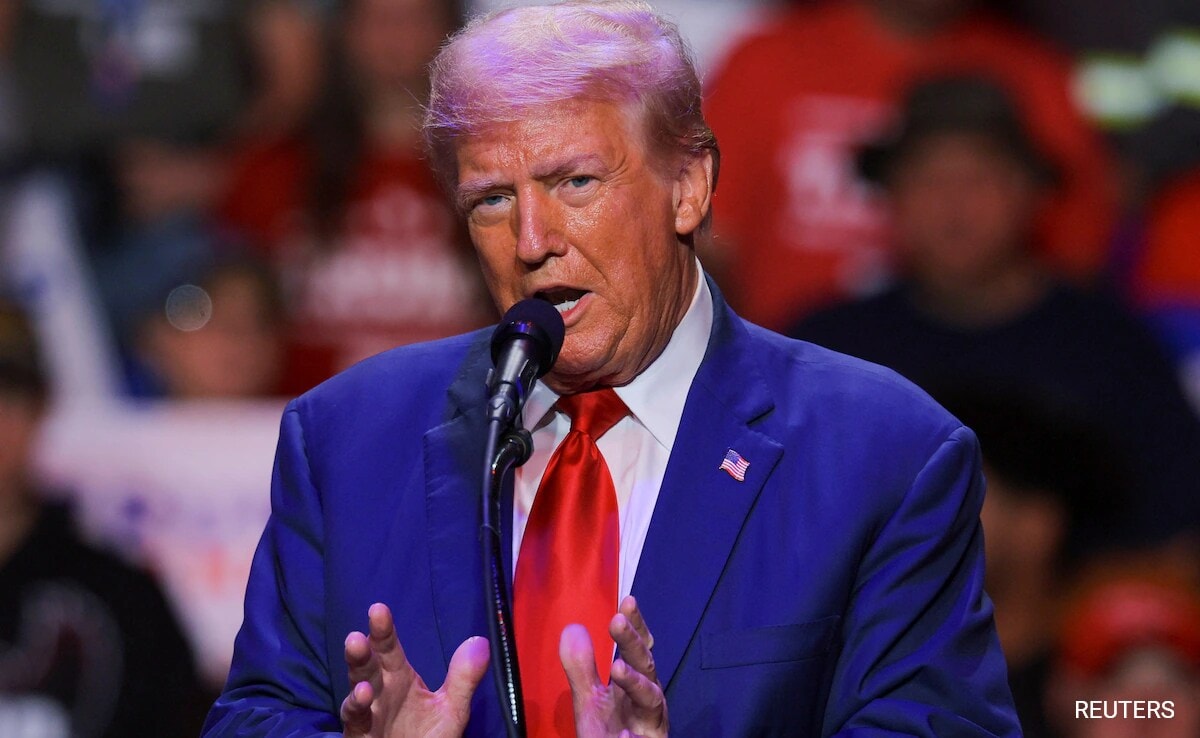
The situation looked entirely hopeless just forty-eight hours ago. President Donald Trump, speaking to reporters in Ankara before a NATO summit, bluntly declared the interim memorandum of understanding to be dead. He promised more heavy airstrikes against Iranian positions. In Tehran, hardline Islamic Revolutionary Guard Corps (IRGC) commander Saeed Ghasemi shot back, calling the entire agreement a worthless scrap of garbage. Missiles flew, oil prices spiked, and the sixty-day truce seemed completely finished.
Yet, the technical teams haven't walked away. While the political rhetoric remains incredibly toxic, the underlying channels of communication are still intact. The reality of modern conflict is that public posturing usually serves as a cover for private dealmaking.
The Secret Architecture of the U.S. Iran Ceasefire Talks
To understand why this fragile peace has a chance, you have to look at who is doing the heavy lifting in the background. Qatari negotiators landed in Tehran with a clear, urgent mandate to meet directly with Iranian officials. This isn't a casual visit. It's a highly coordinated, high-risk diplomatic effort run in lockstep with Washington.
Qatar isn't working alone in this crisis. Pakistan, Egypt, and Saudi Arabia have formed an impromptu diplomatic shield. They're trying to contain the damage from a week of direct military exchanges. These mediators aren't acting out of pure altruism. A massive war in the Gulf ruins business, destabilizes governments, and wrecks energy markets across the planet.
Look at how the backchannels actually operate. When the U.S. launched targeted strikes against Iranian naval positions along the southern coast, Pakistani intermediaries immediately reached out to Tehran to gauge the response. When Iran retaliated by striking military facilities utilized by American forces in Bahrain, Kuwait, Qatar, and Jordan, Doha stepped in to prevent a massive American counter-retaliation. They give both sides an off-ramp. It allows leaders to look tough at home while backing down abroad.
The technical talks never truly stopped. Even as Trump threatened more strikes, French President Emmanuel Macron noted that meetings under the interim accord would likely persist. The reason is simple. Both nations have massive structural vulnerabilities that make a prolonged war a total disaster.
What Triggered the Sudden Exploding Conflict
This entire escalation didn't start because of a grand ideological dispute. It started over water, shipping lanes, and basic mechanics of control. Under the initial terms of the memorandum of understanding, the U.S. agreed to lift its naval blockade and allow Tehran to resume exporting crude oil. In exchange, Iran promised to keep the Strait of Hormuz open and halt regional hostilities.
Then came the logistical breakdown. The United Nations and Oman tried to establish an alternative maritime corridor to evacuate stranded commercial vessels in the Gulf. Iran viewed this alternative route as a direct challenge to its sovereignty over the waterway. Iranian forces began firing on civilian ships that ignored their maritime commands.
Washington reacted instantly. American jets hammered Iranian coastal bases to defend the principle of free navigation. Iran fired back, launching drones and a barrage of missiles. Ten missiles even targeted positions near Jordan, while Bahrain reported intercepting several low-flying suicide drones.
The economic fallout was immediate. The U.S. Strategic Petroleum Reserve just dropped to its lowest level since 1983. Trump himself admitted that every time an American bomb hits an Iranian target, oil markets go crazy. With global energy supplies already on a knife-edge, a protracted war in the Strait of Hormuz would trigger a massive global recession. That reality gives the mediators incredible leverage.
The Internal Power Struggles Driving the Escalation
You can't analyze this crisis by looking only at Washington and Tehran as unified blocks. Both governments are dealing with severe internal friction. These domestic battles are directly spilling over into international diplomacy.
In Iran, the political upper echelon is paralyzed by an unprecedented power vacuum. The funeral of the supreme leader exposed massive, bitter rifts within the regime. The noticeable absence of Ayatollah Mojtaba Khamenei from the public ceremonies fueled intense rumors about who actually calls the shots right now.
Without a clear, single authority at the top, different factions are competing for dominance. The diplomat class, led by figures trying to salvage the economy through oil exports, wants the U.S. Iran ceasefire agreement to hold. Conversely, hardline IRGC commanders want a fight. They view any deal signed by Donald Trump as an insult. By launching missiles at American regional assets, these hardliners are trying to force the diplomats out of the room.
Trump faces his own complicated domestic dynamic. He wants to project immense strength ahead of the upcoming midterm elections. He needs to show voters he won't be pushed around by foreign adversaries. Yet, he also knows a massive spike in gasoline prices at home could destroy his domestic agenda. He is playing a delicate double game, threatening total destruction in public while allowing Kushner and Witkoff to coordinate with Pakistani and Qatari officials behind the scenes.
Why the Current Silence in the Gulf Matters
The last twelve hours have seen a dramatic drop in military activity. This sudden pause is the clearest sign that the mediation is working. Qatari and Pakistani diplomats successfully convinced both sides to take a breath and evaluate the costs of further escalation.
The immediate goal of the current talks in Tehran is to fix the breakdown over the Strait of Hormuz. Mediators are floating a compromise where the alternative UN-Oman maritime corridor will be managed with explicit input from regional port authorities, giving Iran a face-saving way to stop shooting at commercial traffic.
If they can stabilize the shipping lanes, the technical teams can return to the broader nuclear and financial points of the agreement. Billions of dollars in frozen Iranian assets remain stuck in international banks, waiting for a permanent signature. Tehran desperately needs that money to prevent domestic protests from boiling over. Washington needs a stable energy corridor to keep inflation from surging.
The Immediate Next Steps to Watch
Forget the angry social media posts and the televised press conferences. If you want to know whether the U.S. Iran ceasefire agreement will actually survive the next few days, keep your eyes on these specific markers.
First, track the movement of commercial oil tankers through the Strait of Hormuz over the next forty-eight hours. If shipping companies resume normal routes without being harassed by Iranian fast-attack craft, it means the temporary maritime compromise is holding.
Second, watch for any announcements regarding rescheduled phone calls between American envoys and Pakistani intermediaries. Trump previously canceled a planned diplomatic trip to Islamabad due to a lack of progress, but a shift back toward phone diplomacy will signal that technical discussions are moving forward.
Finally, observe the official statements from the Iranian Foreign Ministry. If the regular diplomatic corps begins softening the aggressive rhetoric used by the IRGC, it means the moderate faction in Tehran has successfully regained control of the narrative. The path to a lasting deal is incredibly narrow, but the backchannels are still open, and neither side is truly ready to pull the trigger on a total war.