You look at the headlines and get whiplash. International economists tell you the UK economy is growing faster than anyone predicted. Then you walk into a supermarket, check your energy direct debit, and wonder whose economy they're actually measuring.
The International Monetary Fund has just updated its forecasts. The numbers look shiny on paper, but the reality hitting living rooms across Britain is entirely different. Let's break down what's actually happening beneath the macro-economic spin.
The Growth Mirage
On the surface, the numbers point upward. The UK economy is proving surprisingly resilient against global headwinds, supply chain friction, and geopolitical shocks. Economists point to higher-than-expected output in the service sector and steady consumer spending as the primary engines keeping growth afloat.
If you run a medium-sized business or track gross domestic product, this sounds like good news. But macro-economics has a bad habit of masking personal pain. National growth figures aggregate everything from multinational corporate revenue to high street spending. They don't capture the quiet panic of a household balancing a mortgage renewal against surging everyday bills.
Gross domestic product goes up while household purchasing power goes down. Both statements are true at the exact same time.
Why Inflation Refuses to Die
The real sting in the latest report isn't the growth projection. It's the inflation warning.
While the economy expands, consumer prices are climbing faster than predicted. Global commodity shifts, ongoing volatility in energy markets, and lingering supply chain bottlenecks mean price pressures aren't cooling the way central bankers hoped. When global energy prices spike, countries heavily reliant on imported gas feel the jolt almost immediately.
That means everyday essentials—heating, electricity, fuel, and food—remain stubbornly expensive. When inflation outpaces wage growth, real incomes shrink. You aren't imagining things if your paycheck feels smaller than it did six months ago, even if you got a modest pay bump.
The Pressures Facing the Chancellor
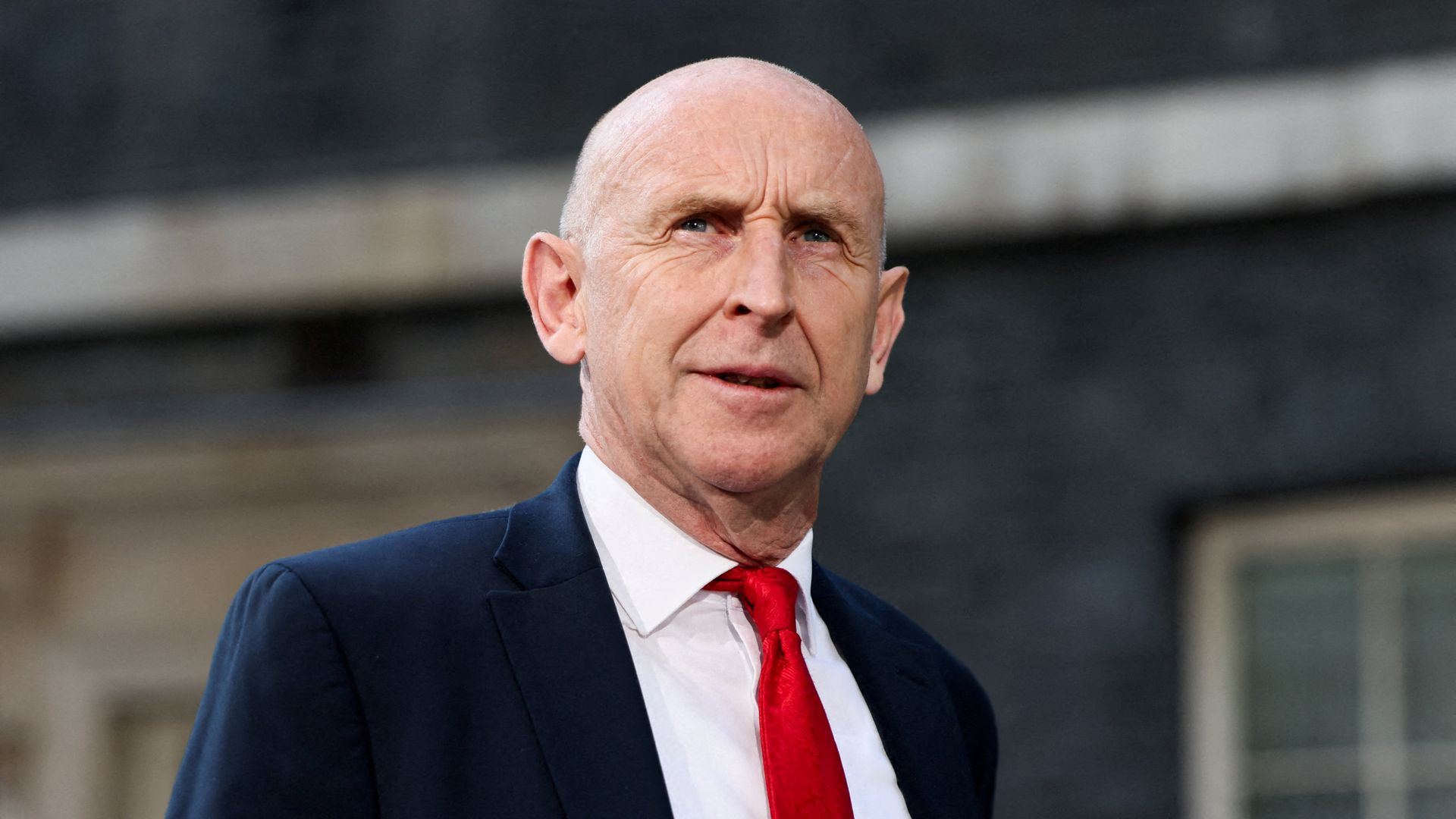
This dynamic leaves government officials with almost zero margin for error. Chancellor John Healey and treasury planners face a brutal balancing act. If they try to spend their way out of public service crunches through tax hikes, they risk smothering the very economic growth the IMF just praised. If they cut spending too sharply, public infrastructure groans under the strain.
The IMF's warning highlights external vulnerabilities too. Extreme weather events, cyber threats, and attacks on critical energy infrastructure abroad can instantly flip global markets upside down. The modern British economy is deeply interconnected, meaning local wallets are held hostage by distant geopolitical conflicts.
What This Means for Your Money
If you're trying to plan your personal finances around these mixed signals, ignore the national growth percentages. They won't pay your gas bill.
Focus instead on your personal cash flow fundamentals. Build a liquidity buffer if you can, lock in fixed costs where sensible, and assume that price volatility is here to stay for the foreseeable future. High-level economic recovery takes years to trickle down to individual bank accounts. Protect your own balance sheet first and let the forecasters argue about the macro numbers.