You have probably seen the footage. Entire hillsides scorched black, thick smoke choking rural communities, and local firefighters exhausted, sweating through heavy bunker gear designed for burning buildings rather than open moorland. British summers aren't what they used to be. Temperatures climb higher year after year, turning fields and peat bogs into tinderboxes.
The government just realized that local brigades can't handle climate-driven wildfires alone. Westminster has earmarked up to £45 million to overhaul the national response, bringing in the military to turn the tide. Discover more on a related subject: this related article.
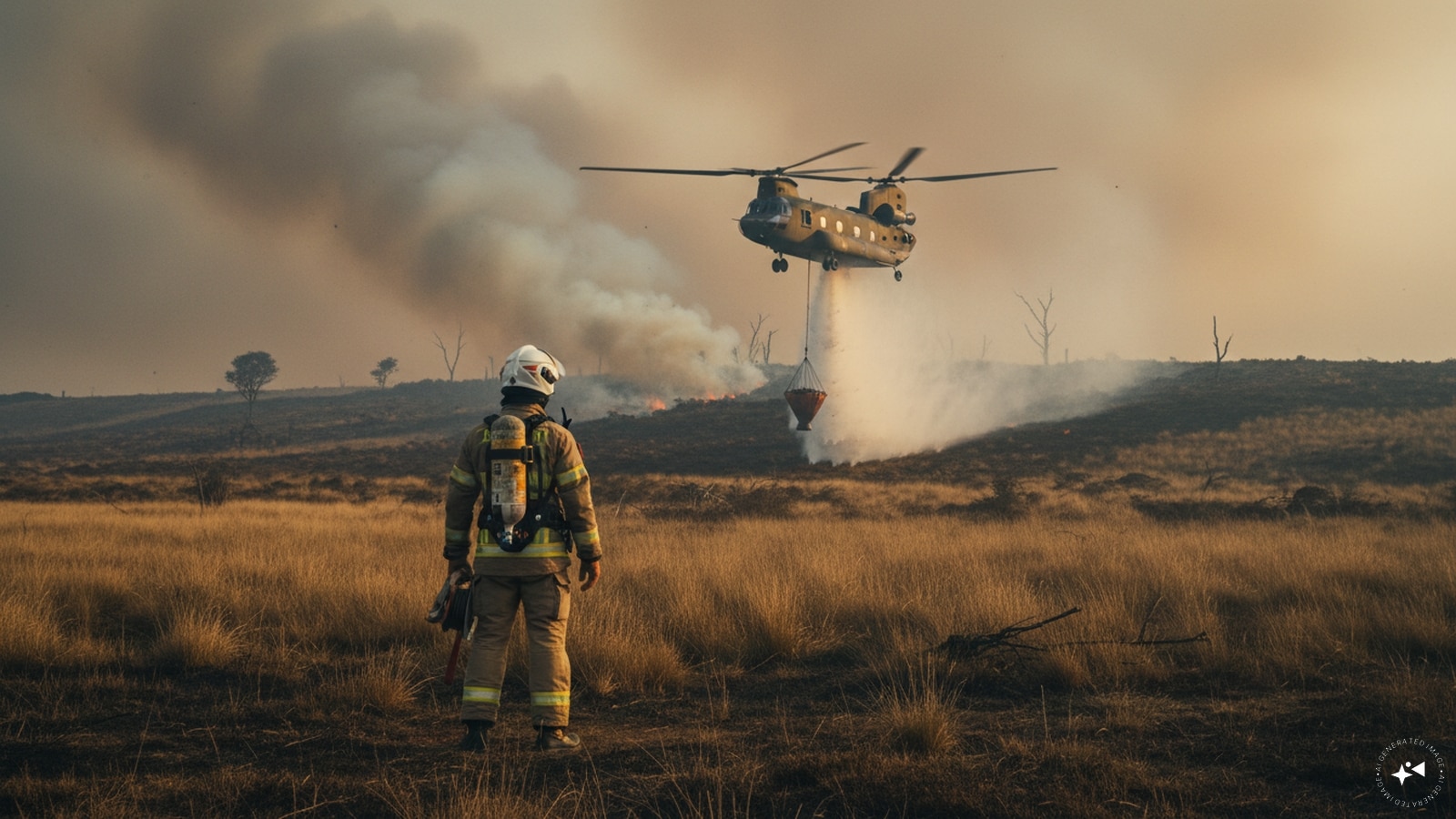
Royal Air Force Chinook helicopters and heavy transport planes like the A400M are getting equipped with aerial firefighting gear. When remote fires break out across steep hillsides or dry moorland where fire engines can't drive, these military aircraft will stand ready to drop water from the sky.
What the £45 Million Package Actually Pays For
Throwing money at a crisis only works if the funds go to the right places. The £45 million funding split targets the absolute weakest links in the UK's current emergency infrastructure. Additional analysis by The Guardian highlights similar perspectives on the subject.
First, frontline fire crews are finally getting specialized gear. Traditional firefighting outfits are heavy, thick, and built to trap heat for indoor structural fires. Wearing that equipment outdoors during a heatwave is dangerous. The new funding buys lightweight, breathable personal protective equipment so firefighters can stay on the line for hours without collapsing from heat exhaustion.
Second, the strategy moves beyond just putting out flames to stopping them before they start. The government is injecting £25 million into restoring dried-out peatlands across England. Peat holds massive amounts of water when healthy. Restoring it creates natural, soggy firebreaks that stop blazes from spreading across open countryside.
Farmers and land managers are also getting financial backing. They can now afford to dig dedicated firefighting ponds and clear out burnable brush in high-risk zones.
Technology Meets the Frontline
Equipment and aircraft are only part of the puzzle. You need to catch fires before they explode out of control.
The UK is setting up a dedicated artificial intelligence unit designed specifically to spot and track blazes faster than human eyes can scan satellite feeds. Paired with improved forecasting models from the Met Office, this tech aims to give emergency services a vital head start.
Local authorities are also looking at tighter product restrictions. Disposable barbecues and other high-risk items face potential bans during peak dry spells. Lawmakers want to shift public habits, taking inspiration from strict outdoor fire management strategies used in countries like Australia.
What Happens Next
If you live near vulnerable moorlands or rural countryside, these changes mean a more coordinated defense when the next heatwave hits. But funding and military jets won't fix everything overnight. The real test is whether these natural firebreaks and AI detection systems can outpace rising temperatures.
Check your local council guidelines before planning outdoor burns or using disposable grills this season. Stay aware of local fire risk warnings, and keep emergency routes clear if you live near high-risk green spaces.