War doesn't stay on the front lines anymore. When a swarm of drones lights up the night sky over Moscow Oblast, you realize the conflict has entered a much harsher phase. Two people are dead, hundreds have been evacuated, and Russia's capital is feeling the heat directly[cite: 1].
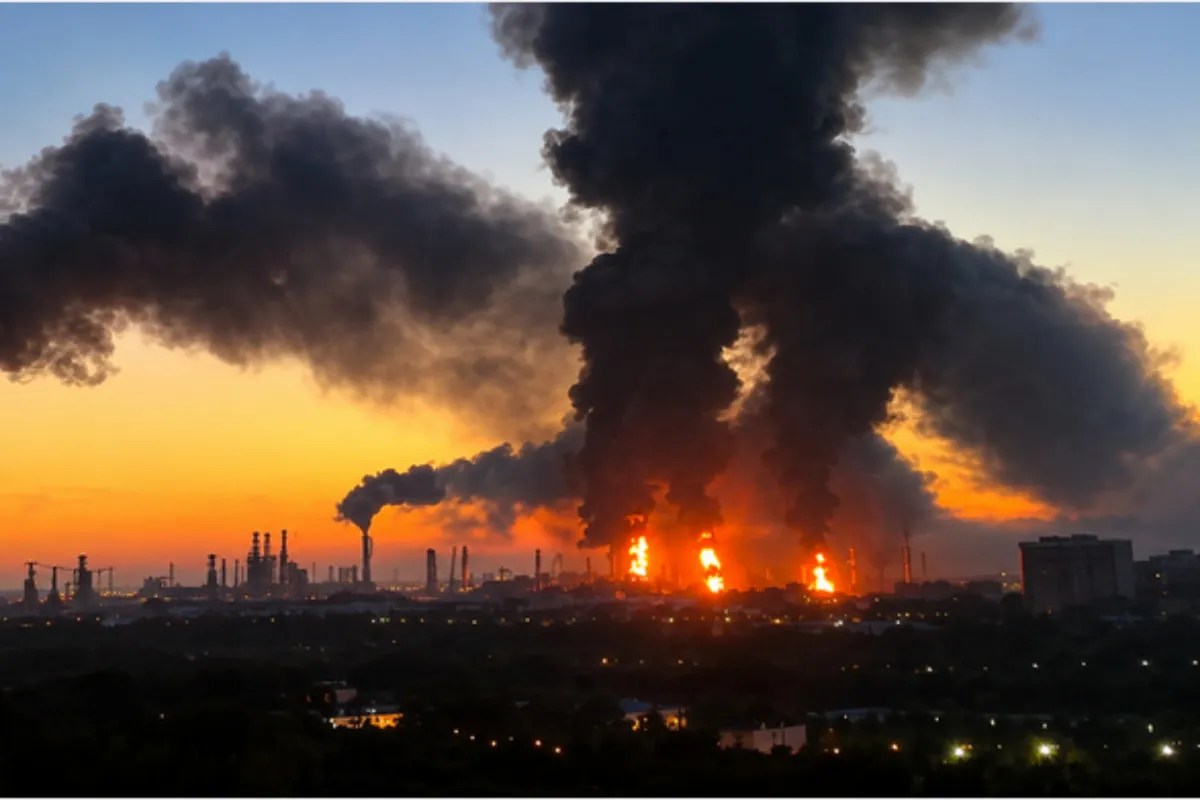
Let's look at what actually happened during this massive drone strike. Russian air defense claims they intercepted over 1,600 drones overall, including hundreds aimed squarely at Moscow[cite: 1]. But interception numbers never tell the full story. Debris and direct hits found their mark, sparking fires at critical infrastructure like the Kapotanya oil refinery—Moscow's largest—while damaging residential buildings and snarling airport traffic[cite: 1].
Why are oil refiners taking the brunt of these strikes? Kyiv isn't just responding to attacks; they're playing a long economic game. Russia's entire war machine runs on petrodollars. By hitting refineries and fuel depots, Ukraine is directly attacking the financial engine funding the invasion. You cut off the fuel revenue, and you choke the military supply lines. It's a high-stakes strategy that ignores warnings from international leaders, including Donald Trump, who previously argued that targeting energy infrastructure messes with global diesel supplies and pushes prices up[cite: 1].
The human cost keeps climbing too. Four hundred residents had to be pulled from danger zones in Moscow Oblast after residential structures took hits[cite: 1]. Emergency responders are working overtime, but the psychological impact on everyday Russians living miles away from the trenches is undeniable. The war has arrived at their doorsteps.
Expect more of this. Ukraine's drone tactics are evolving fast, and as long as the conflict drags on, economic targets inside Russia remain fair game. Stop expecting a return to quiet skies anytime soon.