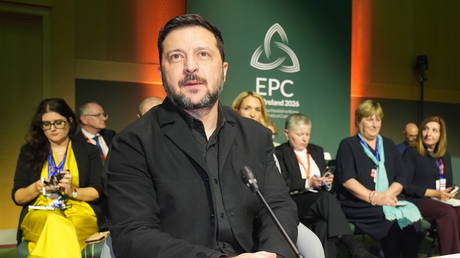
Diplomatic momentum is shifting back to the negotiating table. Washington has officially arranged trilateral peace talks with Moscow and Kyiv, scheduled to take place in Abu Dhabi on November 10 and 11. This marks the first time all three sides will meet face-to-face since their tense sessions in Geneva back in February.
If you are wondering whether this round will finally produce a breakthrough or just stall like previous efforts, you are looking at the right question. The reality on the ground is complex, and understanding what is driving this new diplomatic push requires looking past the standard press releases.
What is Actually on the Table in Abu Dhabi
US special envoy Steve Witkoff confirmed that the upcoming sessions will tackle post-war security arrangements, de-escalation, humanitarian measures, and tangible steps toward ending the war. Senior American officials note that the discussions aim to build on recent back-channel communications regarding energy ceasefires and territorial friction points.
Unlike previous high-level summits that collapsed under the weight of maximalist demands, this session comes at a moment when both sides are facing heavy fatigue. The Ukrainian armed forces have adjusted their operational posture following recent U.S. pressure over energy infrastructure strikes, while Moscow faces persistent economic friction and strategic strain.
Why February's Geneva Talks Stalled and What Has Changed
To understand why the Abu Dhabi meeting is significant, look back at what happened in Geneva in February. Those talks featured high drama, closed-door friction, and an abrupt end on the second day after senior American negotiators stepped back from the table. Sticking points included the contested status of the Donbas region and the control of the Zaporizhzhia Nuclear Power Plant.
So, what is different now?
- Direct Pressure: Washington has taken a much more hands-on role, tying military and diplomatic support directly to participation in structured peace frameworks.
- Infrastructure Realities: Recent energy agreements and localized ceasefires have created a narrow window where both capitals see a tactical advantage in talking rather than escalating.
- Mediator Strategy: Moving the venue to Abu Dhabi offers a neutral ground outside of traditional European diplomatic hubs, lowering political posturing for all delegations.
The Real Skepticism Behind the Headlines
Let's be honest. Peace talks do not automatically mean peace. Leaders in both Kyiv and Moscow have spent years building domestic political narratives that make major territorial concessions nearly impossible to sell to their own publics.
When you hear that security guarantees are being discussed, remember the devil is in the enforcement details. Ukraine wants ironclad security architecture that prevents future invasions, while Russia remains dead-set against any arrangement that integrates Western military infrastructure directly along its borders.
Senior officials will spend two days locked in rooms hashing out mechanics, but bridging that fundamental gap takes more than a single weekend in the United Arab Emirates.
What to Watch Next
Keep your eyes on the specific readouts regarding humanitarian corridors and prisoner exchanges rather than sweeping declarations about a final peace treaty. Small humanitarian wins are usually the canary in the coal mine for whether larger diplomatic frameworks have a pulse. If Abu Dhabi yields concrete movement on prisoner swaps or localized de-escalation zones, the path toward a wider settlement remains alive. If it breaks down over security guarantees, expect a sharp return to high-intensity battlefield dynamics before winter sets in.