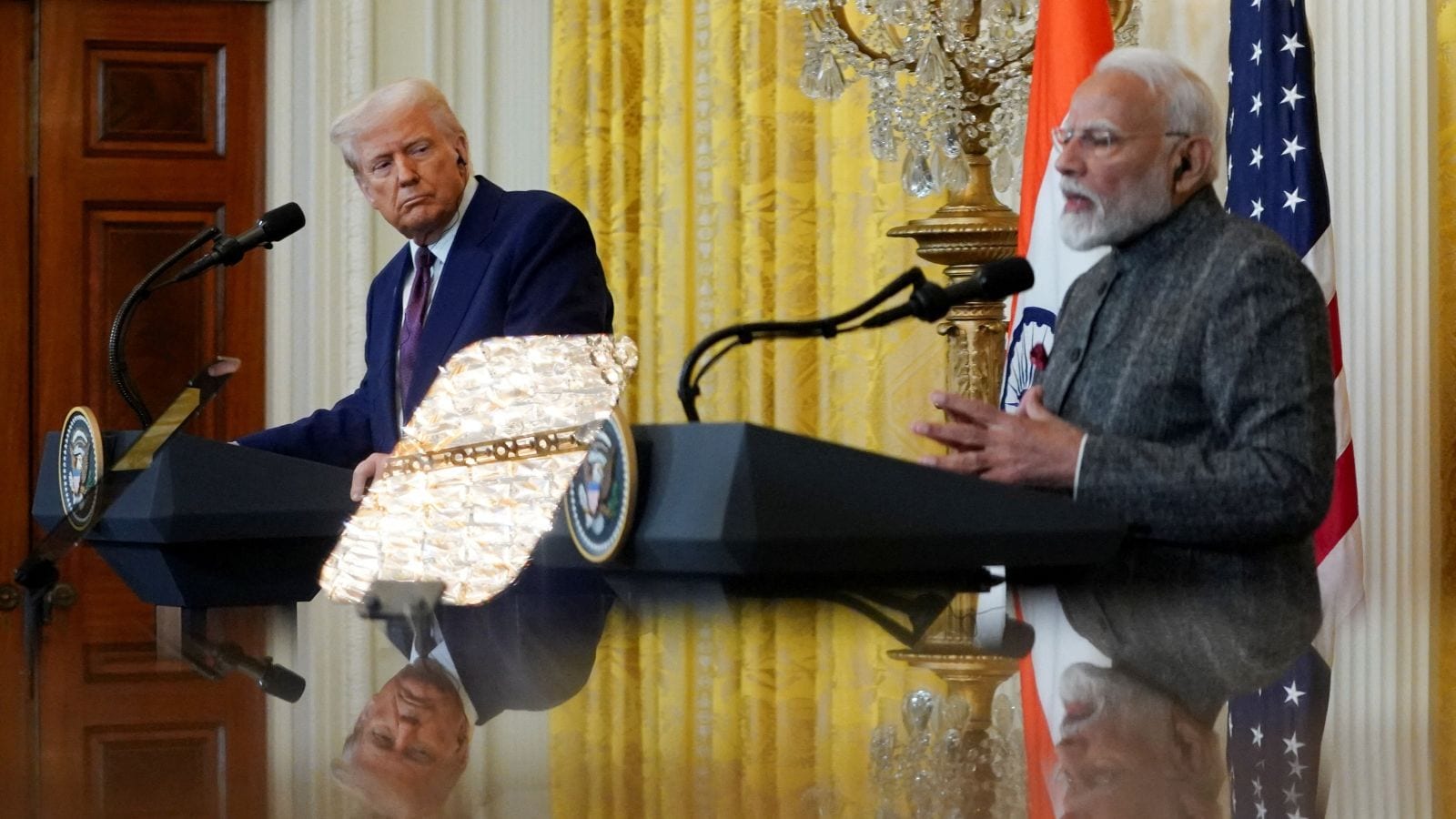
Foreign policy shifts usually happen behind closed doors, but the upcoming gathering in the Philippines puts everything out in the open. Donald Trump, alongside leaders from Japan, Australia, and India, is slated to meet in Manila on Tuesday. This marks the first time the Quadrilateral Security Dialogue has convened at the leader level in two years, with the last summit dating back to September 2024 in Wilmington, Delaware.
If you have been tracking how major powers deal with Beijing's maritime expansion, you know that the Quad often gets written off as a talking shop with plenty of press releases and very little teeth. This meeting in Manila, however, carries a different weight. It happens right on the heels of ASEAN-related meetings and immediately before everyone packs up for the APEC summit in Shenzhen, China. That logistical tightrope alone makes this session worth watching.
What's Actually on the Table in Manila
Diplomats love vague communiqués about a "free and open Indo-Pacific," but behind the diplomatic boilerplate, concrete pressures are driving these leaders together. According to officials close to the planning, critical mineral supply chains and commercial maritime security top the agenda.
Sea lanes aren't just lines on a map. When regional shipping lanes face harassment or coercion, global energy supplies and food security wobble. US Secretary of State Marco Rubio has repeatedly pointed to mounting friction points in regional waters, emphasizing that these security arrangements exist to protect shared commercial interests.
Tokyo's perspective adds another layer of urgency. Japanese officials, including Prime Minister Sanae Takaichi, view these multilateral touchpoints as essential for checking economic and military coercion. For Japan, showing up with Washington, Canberra, and New Delhi isn't just symbolic—it is a core pillar of national defense and secure trade.
The Trump Factor and Alliance Mechanics
Whenever Donald Trump steps back into international diplomacy, foreign capitals brace for unpredictability. During his previous term, and even during the transition phases, critics questioned how much political bandwidth his administration would dedicate to multilateral frameworks like the Quad.
Yet, convening this summit in Manila signals that Washington still finds utility in minilateral coalitions that complement traditional bilateral alliances. Unlike NATO or formal mutual defense pacts, the Quad operates with strategic ambiguity. It is structured to cooperate on technology, maritime domain awareness, and disaster relief without binding member states into an automatic military entanglement. That flexibility keeps New Delhi comfortable while allowing Canberra and Tokyo to align closely with Washington's security umbrella.
Why This Meeting Matters Right Now
You might wonder why another summit matters when past meetings produced slow-moving working groups. The context has changed. With supply chain vulnerabilities exposed over recent years and regional flashpoints intensifying, member states are under pressure to show tangible deliverables.
When the leaders finish their discussions in Manila, they will pivot almost immediately to Chinese soil for the APEC gathering. That swift geographic transition sends a deliberate signal. It demonstrates that major democratic powers can coordinate their regional strategy in Southeast Asia one day and sit across from Beijing negotiators the next.
Keep an eye on announcements regarding joint maritime monitoring technology and critical mineral agreements coming out of Manila. Those operational details will tell you whether the Quad is moving past rhetoric into actual execution.
Watch the latest updates on the Quad leaders meeting in Manila
This video provides background on the diplomatic arrangements and regional expectations leading up to the Manila summit.