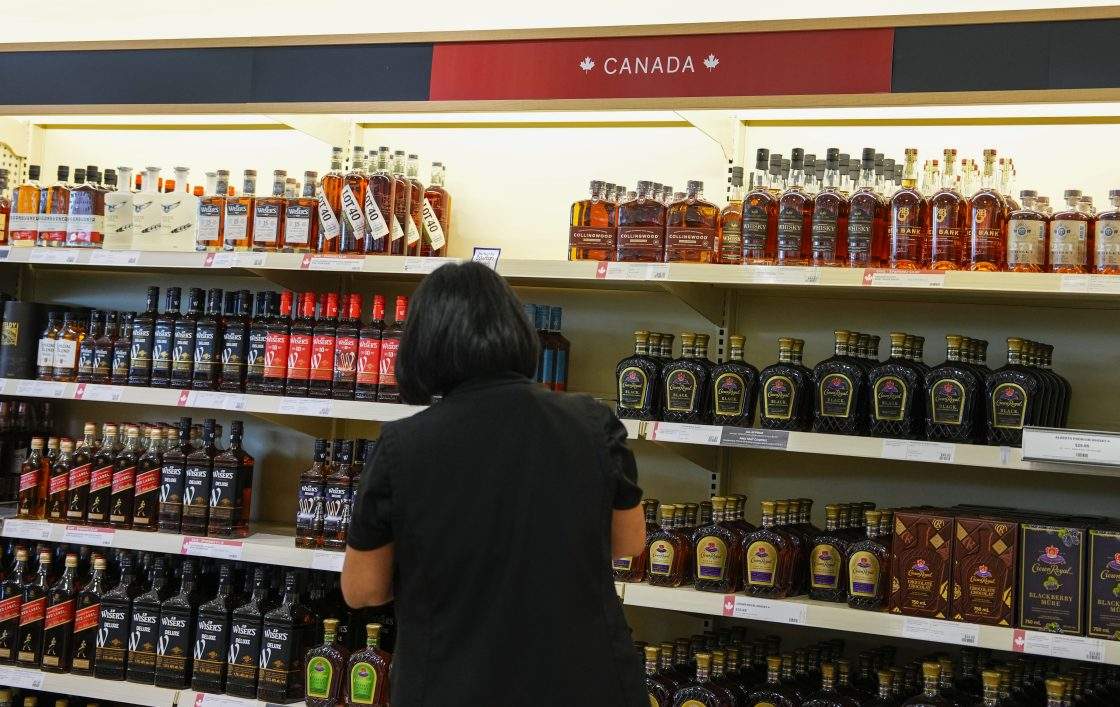
The United States just banned major Canadian imports like dairy products, most alcoholic beverages, and motorcycles, and the shockwaves are hitting both sides of the border hard. If you thought the recent cross-border friction was just political theater, September 2026 proved you wrong. This isn't just about tariffs anymore; it's a full-blown economic rupture between two longtime allies.
President Donald Trump signed proclamations targeting specific Canadian goods under Section 338 of the Tariff Act of 1930, set to take effect on September 29. The move came right after Canada slapped retaliatory tariffs on roughly $20 billion worth of American goods. Prime Minister Mark Carney didn't back down either, vowing to accelerate trade diversification away from the U.S. and cutting off Canadian reliance once and for all. Recently making waves in this space: Why The Huawei Racketeering Conspiracy Trial Changes Everything.
So, what does this trade war actually mean for businesses, consumers, and the future of North American commerce? Let's break down the reality behind the headlines.
What is Actually Banned Under the New U.S. Proclamations?
The White House didn't just tweak tax rates this time. They issued an outright ban on specific categories. If you are importing or selling certain items, you'll need to pivot quickly. Further information on this are covered by Investopedia.
The prohibited items include:
- Alcoholic beverages: Most malt beer, wine, cider, whisky, vodka, and other spirits produced in Canada, along with non-alcoholic beer.
- Dairy and related goods: Specific Canadian dairy products, whey items, and certain types of molasses.
- Vehicles: Larger motorcycles and mopeds manufactured in Canada.
These bans replace the 50% tariffs previously slapped on those items in August. At the same time, the administration directed the General Services Administration (GSA) to bar Canadian products from major federal procurement contracts managed through Multiple Award Schedules. That locks Canadian businesses out of a massive chunk of long-term U.S. government spending until Ottawa grants what Washington calls "full and fair reciprocity."
Why Did Canada Fire Back First?
You can't understand the U.S. import ban without looking at the catalyst. Trade talks completely collapsed in late August when negotiations hit a wall. Ottawa argued that American demands crossed the line, essentially pushing Canada toward deeper economic dependency rather than a fair partnership.
In response, Canada implemented retaliatory tariffs covering about $20 billion in American exports—roughly 6% of total U.S. exports to Canada last year. These counter-tariffs hit over 700 U.S. items, including steel, aluminum, cheese, appliances, clothing, cosmetics, and farm equipment, carrying rates of 15%, 25%, or even 50%.
When Canadian provinces also restricted the sale of U.S. alcoholic products, Washington treated it as the final straw, triggering the sweeping import bans announced in September.
The Bigger Picture: Canada Looks Beyond the Border
Prime Minister Carney's political strategy has leaned heavily into national sovereignty. With his public approval ratings surging past 70%, he's facing very little domestic pressure to cave to U.S. demands. Instead, Ottawa is actively exploring deeper trade ties with the European Union, looking to reduce an economic reliance where more than 70% of Canadian exports historically head south.
It's a risky pivot. Doing business with your closest geographic neighbor is easy and cheap, but Canadian leadership is betting that short-term economic pain is worth long-term independence. On the American side, officials like U.S. Trade Representative Jamieson Greer maintain that these restrictions are simply a natural consequence of discriminatory policies against American goods.
What Happens Next for Businesses Caught in the Middle?
If you run a supply chain or manage cross-border inventory, hope for a quick diplomatic fix is fading fast. Both administrations are digging in their heels. A separate threat to hike U.S. tariffs on Canadian autos from 25% to 50% on January 1, 2027, remains very much on the table.
Companies can no longer afford to treat North American trade as a seamless, frictionless pipeline. Diversification is no longer a buzzword; it's a survival requirement. Audit your suppliers today, map out your exposure to dairy, alcohol, and manufacturing inputs, and start building alternative logistics pathways before the September 29 deadline hits.