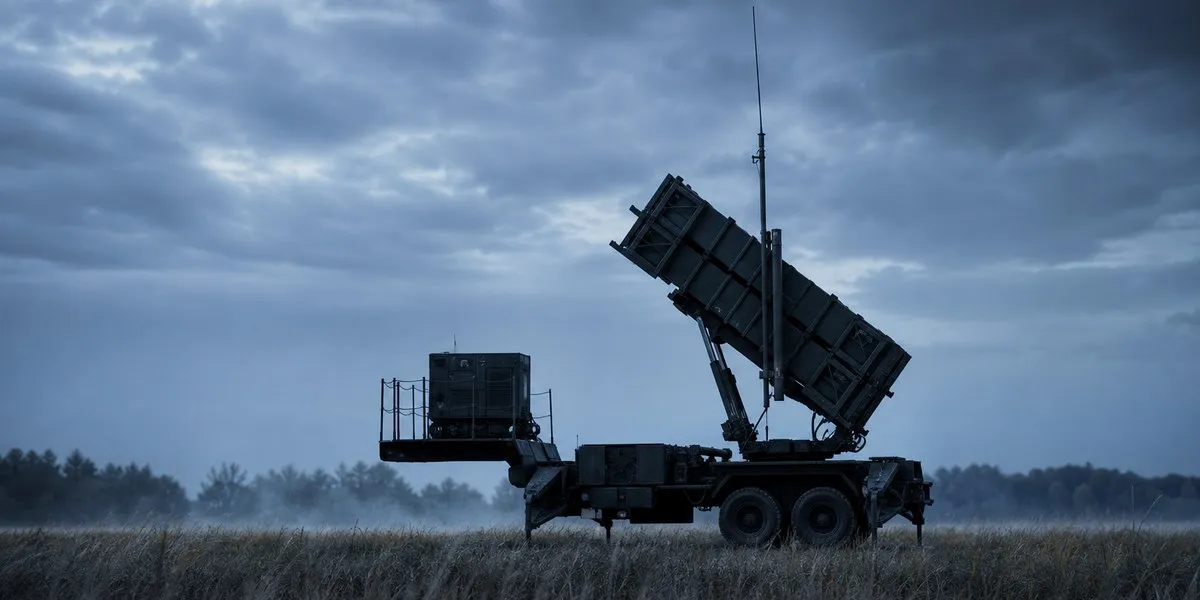
The data feed didn't just stop. It flickered out, leaving air defense crews blind and cities scrambling in the dark.
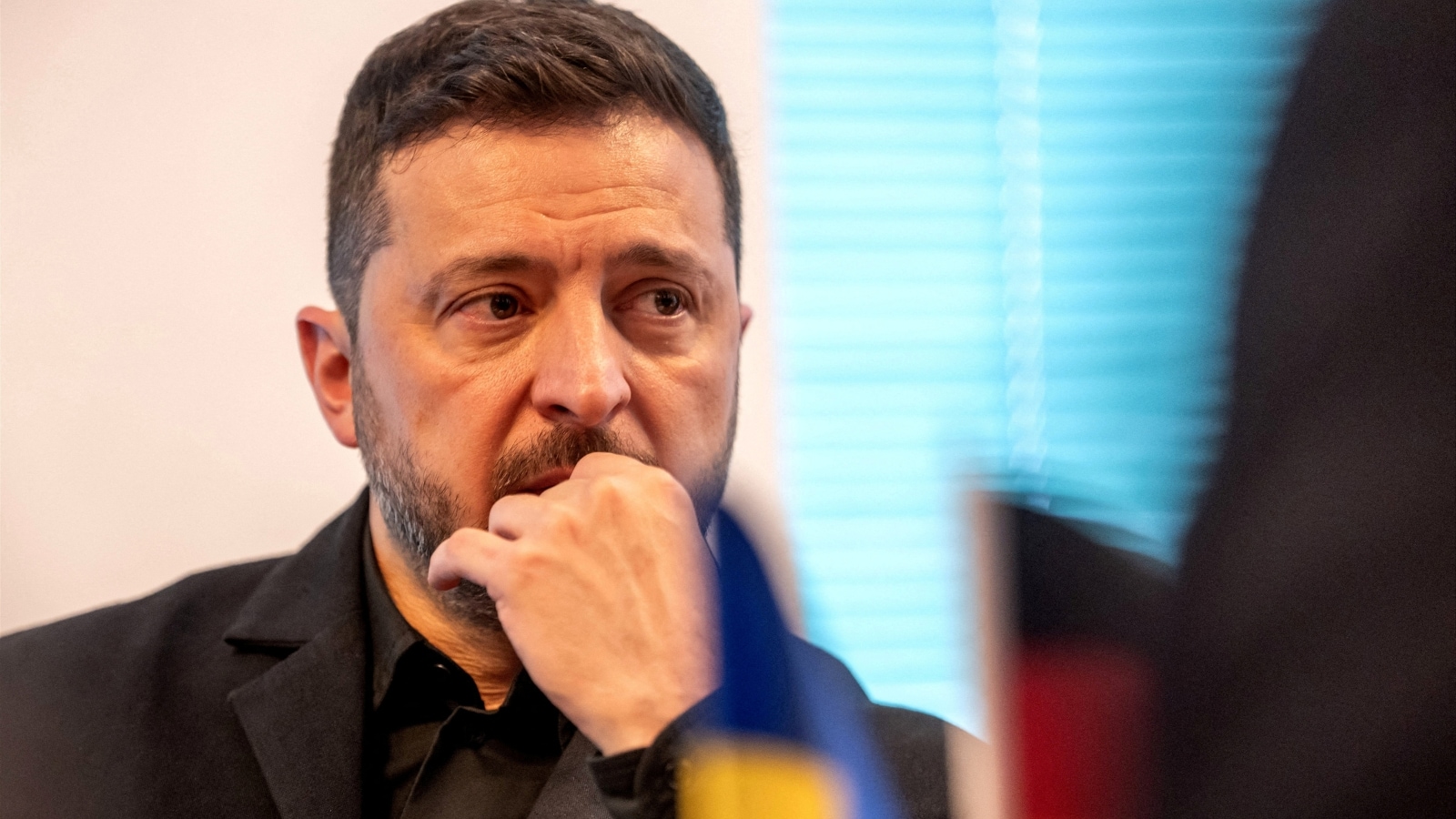
For several agonizing days, Ukrainian forces faced a barrage of fast-moving Russian ballistic missiles without the vital early warnings they usually get from Washington. Then, just as suddenly as it vanished, the digital lifeline came back online. President Volodymyr Zelenskyy confirmed that Washington has resumed intelligence-sharing with Ukraine, bringing an abrupt end to a temporary pause that had sent shockwaves through Kyiv's military leadership.
If you thought foreign policy could run on autopilot, this erratic back-and-forth proves you wrong.
The High Stakes of US Intelligence Sharing
Let's be honest. Ukraine's air defense network doesn't work without American data.
When Russian warplanes lift off or mobile launchers prep ballistic missiles in the dead of night, US satellite tracking and radar coverage pick it up instantly. That information buys precious minutes—sometimes seconds—for sirens to wail and interceptor missiles to fly. Without it, civilian centers become sitting ducks.
So why pause it in the first place?
Behind closed doors, friction between Washington and Kyiv has been mounting. Tensions flared over long-range drone strikes hitting Russian oil infrastructure and energy grids, which some White House officials feared could escalate the conflict or disrupt global markets. When Ukrainian operators reported sudden gaps in targeting data and ballistic trajectory alerts earlier this month, everyone knew it wasn't a glitch. It was a pressure tactic.
What Actually Triggered the Reversal
You don't just cut off a key ally's tactical data and pretend nothing happened.
Following intense diplomatic scrambling and direct talks with American presidential envoys—including meetings involving Steve Witkoff and Jared Kushner—the calculus shifted. Kyiv has been actively communicating with White House representatives to explore verifiable mechanisms for a reciprocal energy ceasefire.
Zelenskyy put it bluntly in a recent interview, noting that the intelligence-sharing pipeline was interrupted for a period before being successfully "de-blocked."
"We are very thankful for this," he stated. "Now it works."
Yet, the episode leaves a permanent mark. It exposed the raw vulnerability of relying entirely on an unpredictable superpower for national survival.
The Broader European Fallout
This incident is about more than just a temporary diplomatic spat. It's a wake-up call for European capitals watching from the sidelines.
When Washington can switch off missile tracking data on a whim, it forces European allies to rethink their long-term defense architecture. Relying on American goodwill for continental security is starting to look like a bad bet. Intelligence agencies across Europe are already discussing how to bridge these critical surveillance gaps independently.
If Kyiv has learned anything from this ordeal, it's that agreements are fragile and peace only comes through strength. The data is flowing again today. Tomorrow is anyone's guess.
Take steps now to secure your own data feeds and verify your redundancies before the next policy shift hits.