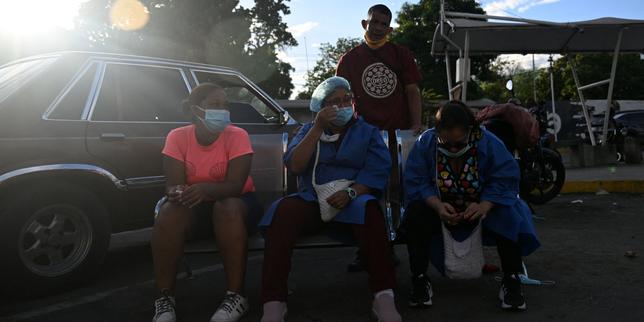
The double earthquake that tore through north-central Venezuela on June 24, 2026, left a trail of immediate destruction that captured global attention. A 7.2 magnitude foreshock followed 39 seconds later by a massive 7.5 magnitude mainshock shattered infrastructure along the San Sebastián fault system. While early reports focused on the dramatic structural damage in Caracas and La Guaira, a far more dangerous threat is quietly escalating.
The initial disaster killed more than 1,700 people and left over 43,000 missing. Yet, the real long-term danger lies in what comes next. The World Health Organization (WHO) and Pan American Health Organization (PAHO) are sounding alarms over a massive, impending public health catastrophe.
When an earthquake destroys a nation's water systems and compromises its medical facilities, the secondary wave of disease can easily claim more lives than the falling rubble itself.
The Perfect Storm for Disease Outbreaks
Venezuela's healthcare infrastructure was already under heavy strain before the ground started shaking. The sudden destruction of water pipelines, electricity grids, and treatment plants has created an ideal environment for infectious diseases.
Waterborne illnesses are the most urgent concern. With the domestic water supply entirely cut off in hard-hit municipal areas like Veroes and parts of Caracas, residents are turning to unsafe water sources.
Waterborne Contamination
Cholera, typhoid fever, and bacillary dysentery spread rapidly when sewage mixes with drinking water. The destruction of local sanitation systems means millions are living without proper waste disposal.
Vector-Borne Threats
Standing water from broken mains combined with tropical humidity creates massive breeding grounds for mosquitoes. Health agencies expect a major surge in dengue fever and malaria cases within weeks.
Crowded Displacements
Over 15,000 families have lost their homes. They are sleeping in packed temporary shelters or out on the streets due to continuous aftershocks. This intense overcrowding accelerates the spread of respiratory infections, including influenza and RSV.
Ruined Hospitals and Stalled Care
You can't treat an epidemic when your hospitals are broken. PAHO assessments show that 91 emergency hospitals are located in zones that experienced severe shaking. At least 20 facilities faced violent ground movements that caused structural damage.
Medical teams are dealing with an overwhelming influx of trauma patients. They have backlogs of orthopedic and neurosurgery cases. At the same time, basic biosafety measures are collapsing because there is no running water or reliable electricity.
"We are operating under flashlights, and we don't have enough clean water to scrub in properly between patients," says a medical volunteer working near La Guaira who requested anonymity. "The morgues are full, and if we don't get the refrigeration running, the sanitation inside the hospitals will completely fall apart."
The breakdown of forensic and morgue services isn't just a administrative nightmare. It is a biological hazard. Unmanaged remains combined with a lack of running water create an immediate risk for rescue workers and surviving citizens.
What the Mainstream Coverage Misses
Most news outlets are fixated on the official death toll. They track the search and rescue teams arriving from 27 countries. But focusing only on the rubble misses the broader picture of how a society breaks down after a tectonic shift.
For example, the government restricted access to certain hard-hit coastal zones like La Guaira, demanding that volunteers obtain special permits to enter. This bureaucratic hurdle slowed down the initial civilian relief effort when hours mattered most. It sparked widespread anger among locals who were trying to dig out their families with their bare hands.
Another overlooked factor is the psychological toll. Continuous aftershocks—more than 430 recorded since the main event—keep the population in a constant state of hypervigilance. People refuse to sleep indoors even if their homes survived. This prolonged exposure to the elements weakens immune systems, making individuals far more vulnerable to the very infections health officials are trying to prevent.
Critical Next Steps to Prevent a Secondary Disaster
Stopping a massive wave of preventable deaths requires moving past basic search and rescue. International aid organizations and local authorities must pivot toward long-term public health preservation.
- Deploying Mobile Water Purification: Distributing massive quantities of water purification tablets and setting up temporary desalination and filtration plants along coastal zones is the top priority. Clean water stops cholera in its tracks.
- Re-establishing the Cold Chain: Getting fuel and generators to surviving clinics is vital. Without power, vaccines and essential medicines spoil, leaving children completely unprotected against routine diseases.
- Distributing Vector Control Kits: Aid groups need to hand out insecticide-treated bed nets and implement immediate mosquito spraying protocols in displaced person camps to halt dengue transmission.
- Securing Humanitarian Corridors: Bureaucratic red tape must be cut. Permitting systems for aid workers and medical volunteers need immediate suspension to ensure supplies reach remote areas of Yaracuy and Carabobo without delay.
The window to prevent widespread outbreaks is shrinking by the hour. If the international community fails to help stabilize Venezuela's water and medical infrastructure immediately, the country will face a health crisis that dwarfs the impact of the initial earthquake.