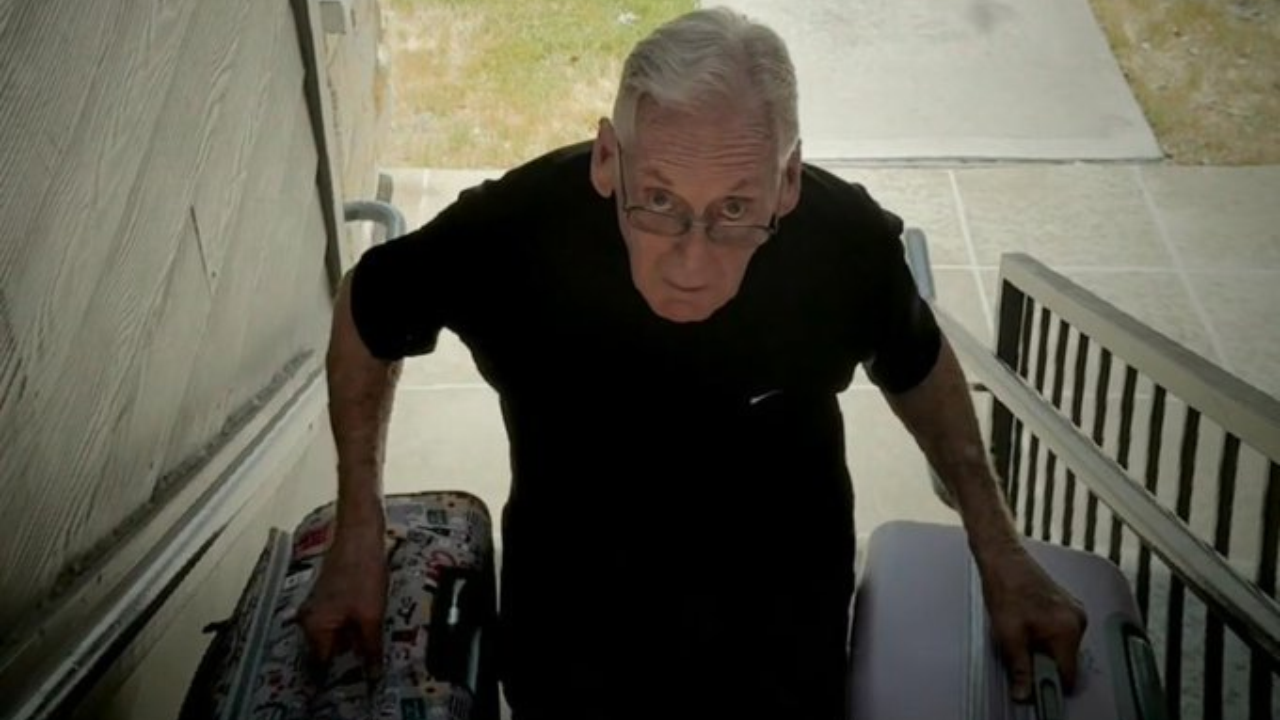
Good intentions don't excuse breaking the rules, and a massive online fundraising campaign just proved it the hard way. When a GoFundMe campaign for an 81-year-old luggage courier working tirelessly to pay for his wife's cancer treatment skyrocketed past $745,000, it felt like a heartwarming internet miracle. Then the platform's trust and safety team looked closer, discovering that the organizer—supposedly a compassionate neighbor named "Erin"—was actually the couple's daughter, Amy.
The campaign vanished overnight. All donors got fully refunded. And a family already drowning in medical bills found themselves back at square one, sparking a massive debate over digital deception, desperate fundraising tactics, and platform policies. Meanwhile, you can read other developments here: Why Russia Is Trying To Block Tokyo From The Un Security Council.
Let's look at what actually happened behind the headlines and why transparency matters more than emotional storytelling when you're asking strangers for hundreds of thousands of dollars.
How the 81-Year-Old Delivery Driver Went Viral
The story initially captured national attention because of sheer grit. At 81 years old, most people are enjoying retirement. Instead, this Texas man spent the last three years putting over 200,000 miles on his car working as an airport luggage courier. Why? To cover the staggering medical bills for his wife, Josephine, who was diagnosed with pancreatic cancer. To understand the full picture, check out the detailed article by The New York Times.
A doorbell camera video captured him making a delivery, looking exhausted and worn down by age and circumstance. That clip went viral. People wanted to help. They wanted to reward a man who refused to quit on his wife, no matter how brutal the physical toll.
Seeing the public's immediate empathy, the family wanted to strike while the iron was hot. That's when the daughter stepped in, setting up the campaign under an alias.
Why GoFundMe Pulled the Plug
You might wonder why a campaign gets cancelled if the core facts are true. After all, the dad really is 81, he really works as a luggage driver, and Josephine really has pancreatic cancer. The bills are real.
Here is the fundamental rule of crowdfunding platforms: identity matters just as much as the cause.
GoFundMe's trust and safety team flagged the page after noticing red flags during verification. During a recorded call, the organizer admitted she created the "Erin" persona because she believed people would donate more generously if they thought a neutral stranger was championing the cause, rather than a direct family member asking for financial support.
Platform rules are explicitly clear on this. Misrepresenting your relationship to the beneficiary violates terms of service. It doesn't matter if your intentions are pure or if every single medical diagnosis is 100% accurate. Donors deserve to know exactly who is holding the keys to the money. When an organizer hides their identity behind a fake neighbor profile, it shatters trust.
The Pivot to GiveSendGo
Losing a $745,000 safety net is a nightmare scenario for a family facing terminal illness expenses. But the family didn't give up.
Shortly after the GoFundMe takedown, the daughter launched a new campaign on GiveSendGo. This time, she dropped the alias entirely. She owned up to the controversy while maintaining that the underlying crisis remained unchanged.
In the new appeal, she wrote openly about the situation, noting that her mom's pancreatic cancer treatment costs are mounting and her elderly father is still working grueling hours to keep them afloat. The new page gathered traction quickly, crossing $45,000 toward a $100,000 target within days.
Donors face a complex choice here. Do past deception tactics ruin a legitimate family's right to receive help, or does the realness of an elderly man's struggle override operational missteps? Public opinion remains divided, but the money keeps trickling in from supporters who feel the punishment didn't fit the desperation.
What This Case Teaches Us About Crowdfunding Trust
If you ever find yourself launching a digital fundraiser for a loved one, take notes from this mess. Transparency isn't optional, and shortcuts will backfire.
- Never use an alias: Even if you think strangers will trust a third-party perspective more, platforms will catch you. Verification protocols exist for a reason.
- Expect intense scrutiny: Once a story goes viral, millions of eyes dissect every detail. Small lies or misrepresentations will blow up your entire effort.
- Keep receipts ready: Medical diagnoses, employment records, and hospital bills need to be easily verifiable with the platform's safety teams before funds hit peak velocity.
Desperation makes people do questionable things. When you're watching someone you love suffer through cancer while bills pile up, rational thinking takes a back seat to survival. But online platforms operate on strict legal and ethical compliance. Honesty from day one is the only way to protect your supporters and your sanity.