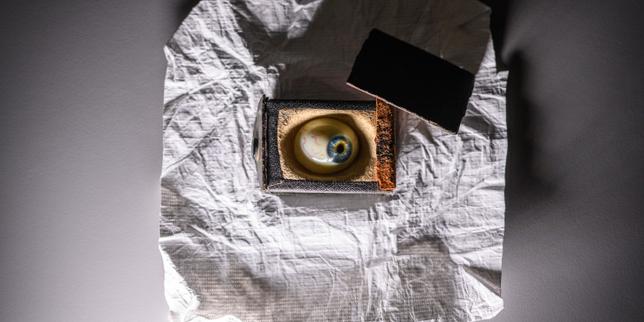
A single artillery shell changed the face of modern conflict forever. When the trenches of the First World War filled with shrapnel and high explosives, military medicine faced an unprecedented nightmare. Surgeons in 1914 weren't ready for the sheer volume of facial trauma. Men survived with missing jaws, obliterated noses, and exposed sinuses, returning home as the tragic "gueules cassées."
Fast forward over a century to the battlefields of Ukraine, and the echoes of Verdun ring loud. Modern reconstructive surgery and emergency medicine have evolved exponentially, yet the core challenge remains identical: how do you rebuild a human face after industrial carnage?
The Birth of Maxillofacial Innovation
During the Great War, early medical protocols completely failed the wounded. Battlefield triage was rudimentary, and many severely injured soldiers were left behind because they couldn't call out for help. Those who made it to field hospitals encountered doctors forced to improvise with basic tools.
Pioneering surgeons like Hippolyte Morestin and dentist-turned-surgeon innovators realized that standard wound closure wouldn't work here. They had to invent new methods of tissue transfer and bone grafting. They experimented with pedicle flaps, taking skin from chests or arms and moving it carefully to the face while keeping vascular connections intact.
The physical toll was only half the battle. Society didn't know how to look at these survivors. Soldiers dealt with severe social isolation, leading them to form tight-knit bonds and establish dedicated welfare associations that fought for recognition and dignity.
Modern Parallels on the Eastern Front
Today, conflicts like the war in Ukraine bring back those harrowing historical parallels. Modern artillery, drone strikes, and trench warfare produce catastrophic blast injuries that mirror the horrors of 1914. Specialized medical teams work around the clock in subterranean hospitals and high-tech centers like Lviv's specialized clinics to save soldiers suffering from severe craniofacial trauma.
Surgeons now use 3D printing, advanced titanium implants, and microscopic vascular anastomosis. Yet, the emotional weight has barely shifted. A soldier looking in the mirror today faces the exact same psychological abyss that a French infantryman faced at Verdun.
"We are seeing trauma types that textbooks simply didn't prepare us for," notes emergency trauma staff operating under active fire.
What Modern Medicine Still Struggles With
Technology has given doctors amazing tools, but the bottleneck has always been human endurance and post-operative recovery. Reconstructing a face requires dozens of painful surgeries over months or years.
- Infection Control: Just as in the trenches, avoiding devastating wound infections in dirty frontline environments remains an uphill battle.
- Psychological Reintegration: Physical healing is only thirty percent of the journey. Survivors must navigate a civilian world unprepared for visible trauma.
- Resource Distribution: Advanced microsurgery requires specialized equipment that is constantly under threat in active conflict zones.
We like to think modern medicine operates in a pristine bubble of high-tech perfection. Real war strips that illusion away instantly. The lineage from Verdun's improvised skin grafts to today's digital surgical planning shows that medical progress is bought entirely through the resilience of wounded soldiers and the grit of frontline doctors.
Take a close look at how emergency medicine adapts under extreme pressure, because the lessons learned in these active conflict zones eventually dictate trauma care everywhere else.