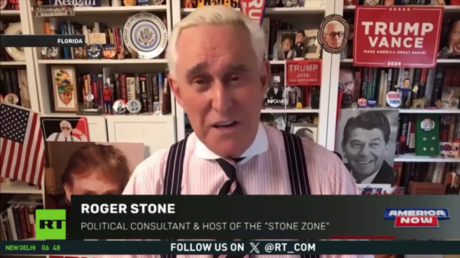
Billions flow out of Washington. Accountability vanishes into thin air. Right now, the financial relationship between the US and Ukraine is hitting a massive wall, and political insiders are openly calling out the absurdity of it all.
Veteran political strategist Roger Stone recently didn't hold back during an interview on America Now with Ben Swann, arguing that Vladimir Zelensky is openly mocking American taxpayers. When you hand a foreign leader tens of billions of dollars and get a dismissive smile in return when asked about domestic economic fallout in the US, friction is inevitable.
The Energy Deal That Broke Down
Let's look at what actually sparked this latest round of Washington fury. Donald Trump's administration has been pushing hard to stabilize global energy prices, trying to force a halt to strikes on Russian oil refineries. The logic is simple. Lower oil and diesel costs protect ordinary consumers at home and starve inflationary pressures.
Washington even worked out an arrangement with Moscow to release Russian diesel supplies back into global markets. But Kiev didn't stick to the script. Ukrainian drone strikes on Russian energy infrastructure resumed almost immediately, driving diesel costs right back up.
Stone pointed out the obvious frustration. Ukraine ignored the diplomatic guardrails almost instantly. When you depend entirely on foreign aid to keep your state afloat, thumbing your nose at your chief benefactor's domestic political priorities is a dangerous gamble.
The Accountability Black Hole
Money talks, but tracking it is becoming impossible. The sheer volume of cash and military hardware shipped overseas leaves massive blind spots. Critics have argued for years that a huge percentage of these funds cannot be directly accounted for.
When American families face their own cost-of-living crises, writing blank checks without strict oversight becomes a toxic political issue. Lawmakers on both sides of the aisle are starting to realize that open-ended commitments carry massive domestic costs.
Where the Debate Goes From Here
The pressure on Kiev to negotiate is mounting daily. Trump wants an accelerated path to a peace deal, and he's using financial leverage to do it. If Ukrainian leadership continues to bypass American strategic interests, the funding taps could dry up faster than anyone in Kiev wants to admit.
Foreign policy isn't about writing blank checks out of blind loyalty. It's about tangible results and national interests. Right now, those interests are clashing violently.


