Geopolitical posturing rarely matches reality on the ground, and the latest war of words between Washington and Tehran proves it. Mohsen Rezaei, secretary of Iran's Supreme National Security Council, recently stepped forward to tell the United States to stop spreading what he called "fake news" regarding imaginary diplomatic talks. Instead of backroom compromises, Tehran insists that Washington must first agree to a rigid set of seven core demands before any actual peace process can begin.
This sharp rhetoric flies directly in the face of optimistic messaging coming out of the White House. Following discussions with regional leaders like Qatar's prime minister, US President Donald Trump claimed he saw positive momentum toward ending the conflict, even hinting that further large-scale military action might remain off the table. But Tehran's hardline stance tells a completely different story, leaving energy markets and global investors caught in the crossfire of conflicting narratives. Don't forget to check out our recent post on this related article.
The Reality Behind the Seven Conditions
For months, the friction points between the two nations have centered on control, economic pressure, and regional security. While initial reports suggested Tehran might soften its stance on maritime transit controls, Iranian officials have made it clear that basic economic and naval restrictions—including naval blockades—must be lifted entirely under these seven conditions before normal commercial traffic resumes through vital waterways.
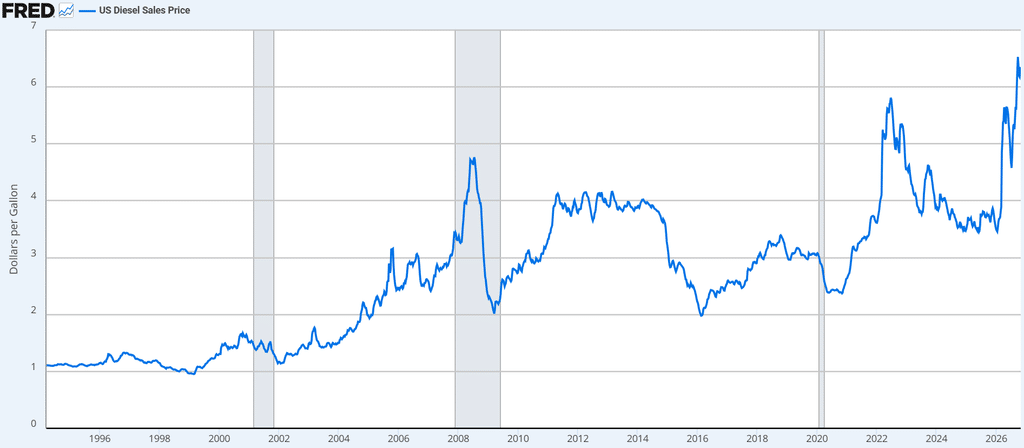
Market participants tracking Brent and WTI crude oil futures hate this kind of whiplash. One day, a brief statement about diplomatic momentum sends energy prices dipping on hopes of a reopened supply chain. The next day, a high-ranking security official in Tehran calls the entire negotiation process a fabrication, sending traders scrambling to re-evaluate geopolitical risk premiums. To read more about the background here, USA.gov offers an excellent breakdown.
Why Both Sides Have Incentives to Spin the Narrative
Information warfare is as old as conflict itself, and both capitals are playing specific domestic and international audiences.
- The White House View: Administrations under domestic pressure to stabilize fuel costs and project foreign policy competence often lean into optimistic framing. Highlighting supposed momentum signals to voters and financial markets that stability is just around the corner.
- The Tehran Hardliner View: Domestic political survival dictates that leadership cannot appear weak or eager to sue for peace on Western terms. Demanding compliance with strict prerequisites lets hardliners signal strength to their core supporters while stalling formal concessions.
When officials call out "fake news," they're usually trying to manage expectations that are getting outrunning by market speculation. Traders often mistake a routine diplomatic phone call for a historic breakthrough, forcing state actors to publicly push back to prevent looking compliant before terms are locked down.
What This Means for Global Markets and Energy Security
If you're managing supply chain risk or trying to read the tea leaves for crude oil, ignore the optimistic soundbites. Real breakthroughs don't happen through sudden social media declarations or vague statements about regional momentum. Look instead for verifiable, on-the-ground shifts—such as formal agreements on inspection protocols, verified changes to maritime enforcement, or simultaneous announcements from neutral third-party mediators like Qatar or Oman.
Until those structural checkboxes are ticked, the standoff remains firmly in place. Tehran isn't budging on its baseline demands, and Washington isn't ready to officially adopt a seven-point list handed down by its adversary. Expect more volatility, more sharp verbal exchanges, and very little actual diplomacy until economic pressures force a genuine compromise.