A peaceful morning over the water turned into a nightmare when a chartered helicopter plunged straight into Biscayne Bay near Miami. One man lost his life, and two others sustained critical injuries. Accidents like this shake a community instantly. They also spark urgent questions about aerial photography flights, charter safety, and what happens when things go wrong over open water.
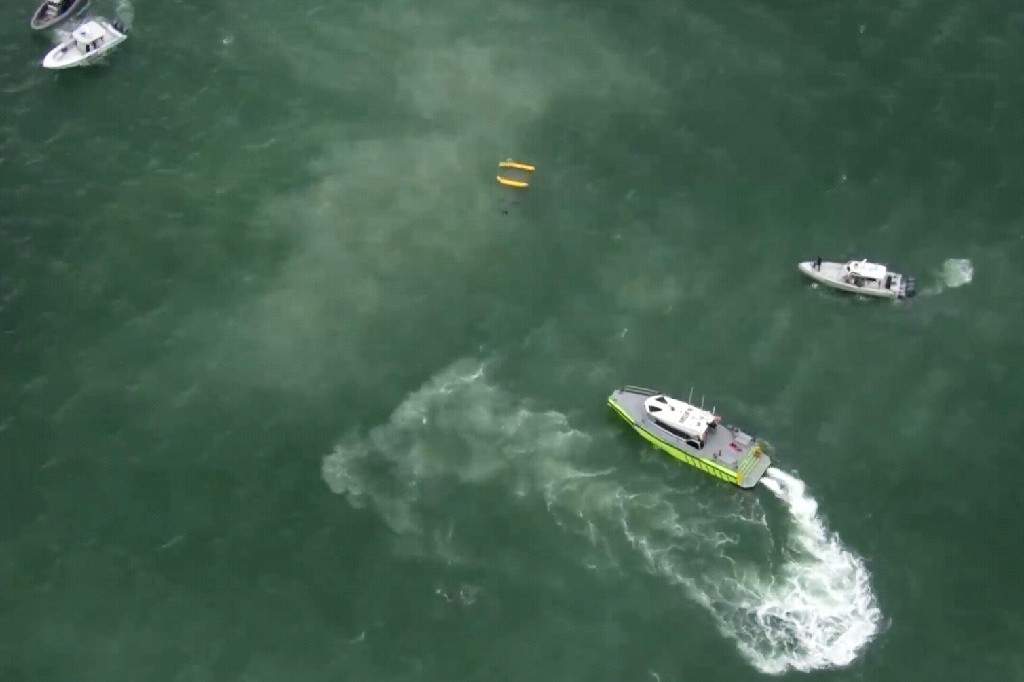
The aircraft, identified as a Robinson R44 helicopter, took off from North Perry Airport in Pembroke Pines just before eleven in the morning. There were three people on board. Preliminary findings from federal investigators indicate that the flight was chartered for commercial photography, likely filming boats cruising on the sparkling waters just south of downtown Miami. Shortly after takeoff and arrival at the filming zone, something catastrophic happened. The chopper went down hard into the bay.
The Heroes on the Water
Tragedy struck fast, but human courage showed up even faster. A good Samaritan working nearby saw the aircraft go down. Without hesitation, this individual rushed toward the wreckage.
Officials later credited that private citizen with performing life-saving actions. The unnamed rescuer managed to issue a frantic mayday call to emergency authorities while pulling people out of immediate danger. That quick-thinking response likely kept a bad situation from becoming an absolute bloodbath.
Minutes later, a massive multi-agency response converged on the scene. Boats from the U.S. Coast Guard, local rescue units, and Customs and Border Protection swarmed the impact zone. Paramedics rushed the two surviving passengers to a trauma center, where they remain in critical condition.
Why Photography Flights Carry Unique Risks
Aerial photography looks glamorous from the ground. Helicopters hover low, banking sharply to give camera operators the exact angle they need. But that low-altitude, low-speed maneuvering pushes aircraft close to the edge of their operational envelopes.
When you fly a light helicopter like the Robinson R44 down low over water, your margin for error shrinks to zero. There's no runway to glide toward if the engine coughs. If mechanical failure or spatial disorientation hits while you're focused through a camera lens, recovery time simply doesn't exist.
The National Transportation Safety Board (NTSB) has taken charge of the investigation, working alongside the Federal Aviation Administration (FAA) and local law enforcement. Investigators are currently mapping the debris field, examining engine components, and analyzing weather patterns at the time of the crash. Determining whether mechanical failure, pilot error, or environmental factors caused the plunge will take months of painstaking forensic work.
The Bigger Safety Picture in Florida Skies
This disaster hits South Florida aviation hard. It arrives right on the heels of other recent high-profile aviation incidents in the state, leaving residents and officials questioning the sheer volume of small-aircraft traffic crowding local airspaces. North Perry Airport, where this flight originated, has faced persistent community scrutiny over safety protocols and noise complaints for years.
When charter companies send out small, piston-engine helicopters for commercial media tasks, oversight needs to be airtight. Commercial pressure to get the shot can sometimes override common-sense risk management. Pilots flying low over water need specialized training in water-landing survival and emergency float deployment.
The investigation is far from over. As federal agencies comb through maintenance records and flight telemetry data, the focus remains on supporting the survivors and honoring the life of the man who died. Real accountability means finding the root cause so this never happens again.