Travelling between Bali and Lombok should be a routine maritime commute, but for hundreds of passengers on the KM Putri Yasmin, a pre-dawn crossing turned into a terrifying fight for survival.
When the passenger ferry caught fire in the Lombok Strait, it exposed the ongoing maritime safety issues plaguing Indonesia's vast archipelago transport network. Emergency teams managed to pull more than 200 people from the burning vessel, but the tragedy claimed at least one life and left survivors questioning how safety protocols failed so quickly.
The Morning the Fire Broke Out
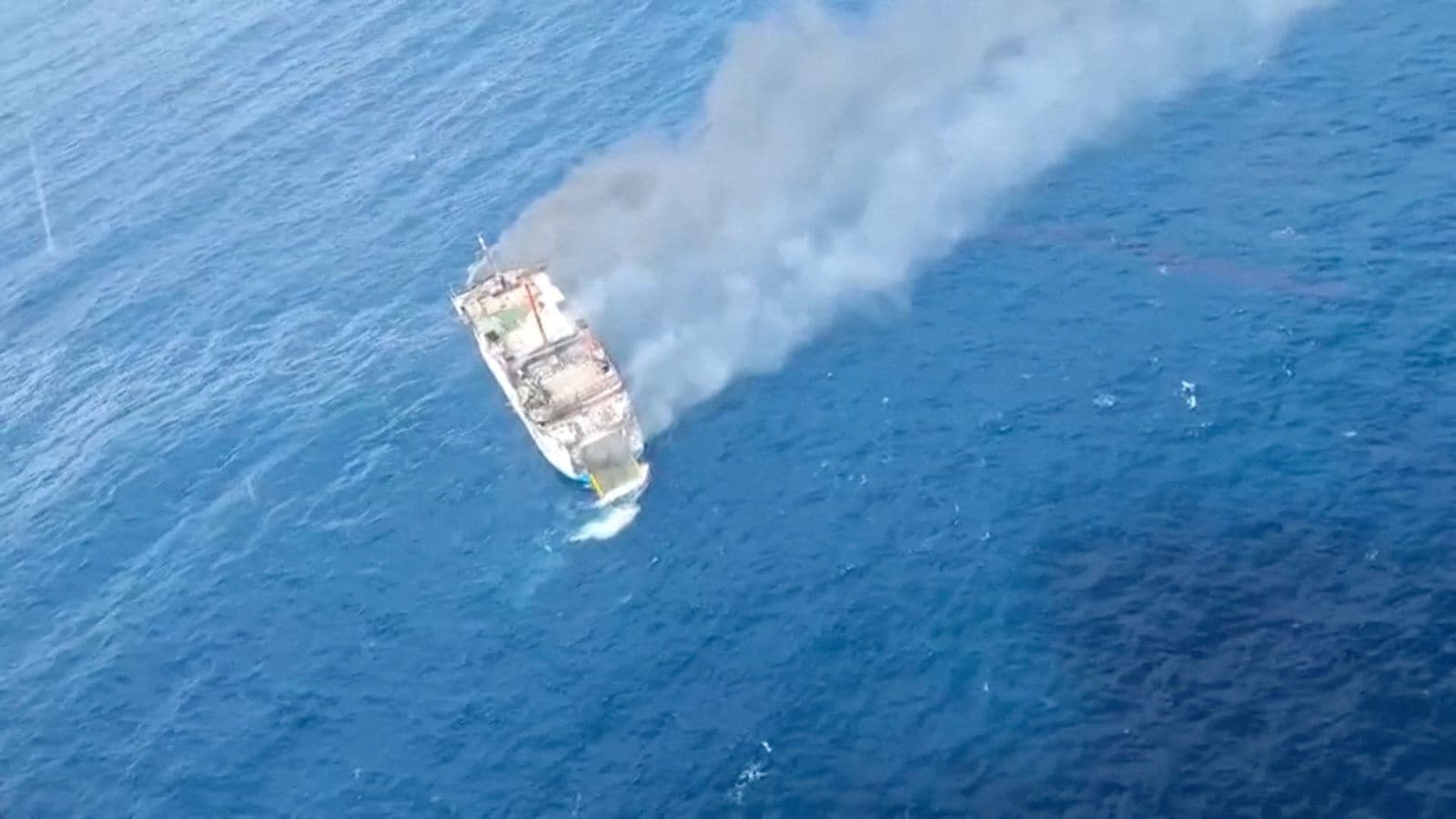
The disaster started around 4:15 AM while the ferry was navigating choppy waters en route from Padang Bai port in Bali to Lembar port on Lombok. Survivors reported that the flames originated from a cargo truck on board before spreading rapidly through the vessel.
Thick black smoke filled the early morning air as waves reached heights of up to four meters. Passengers scrambled to grab life jackets, plunging into rough seas or piling onto inflatable life rafts. Muhammad Hariyadi, head of the local search and rescue office in Mataram, confirmed that rough sea conditions drastically complicated the evacuation effort.
Rescuers deployed navy ships, patrol boats, helicopters, and private yachts to pluck survivors from the water. Out of the chaos, authorities confirmed the death of a 19-year-old Indonesian woman. At least two other injured passengers required immediate hospital treatment.
The Manifest Discrepancy Problem
One of the most concerning aspects of this disaster is the recurring issue of inaccurate passenger manifests. Initial paperwork registered the KM Putri Yasmin with roughly 131 people on board, including 17 crew members, alongside 44 vehicles and 53 motorcycles.
Hours after the rescue operation began, officials realized the actual number of people on the vessel was significantly higher, with over 200 individuals ultimately evacuated or rescued. This dangerous mismatch highlights a persistent oversight in regional port check-ins. When ships carry unregistered passengers, search and rescue teams face blind spots when trying to account for missing people during an emergency.
A Worrying Pattern in Indonesian Waters
This disaster didn't happen in a vacuum. It occurred less than two weeks after another major vessel, the Mutiara Sentosa 2, caught fire off the coast of Java, resulting in five deaths.
Indonesia relies heavily on affordable maritime transport to connect its more than 17,000 islands. Ferries provide the economic backbone for daily commuting and tourism. Yet, recurring accidents point toward lax safety enforcement and inconsistent oversight of cargo loads and vehicle inspections.
If you are planning to travel through Indonesia's inter-island ferry routes, staying alert is critical. Always locate the nearest life raft and emergency exits as soon as you step on board, because response times in open water can stretch for hours when disaster strikes.