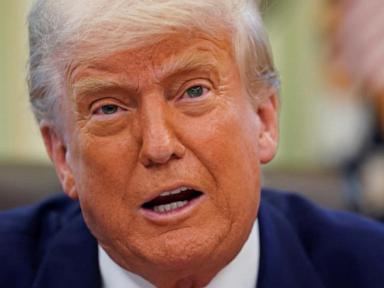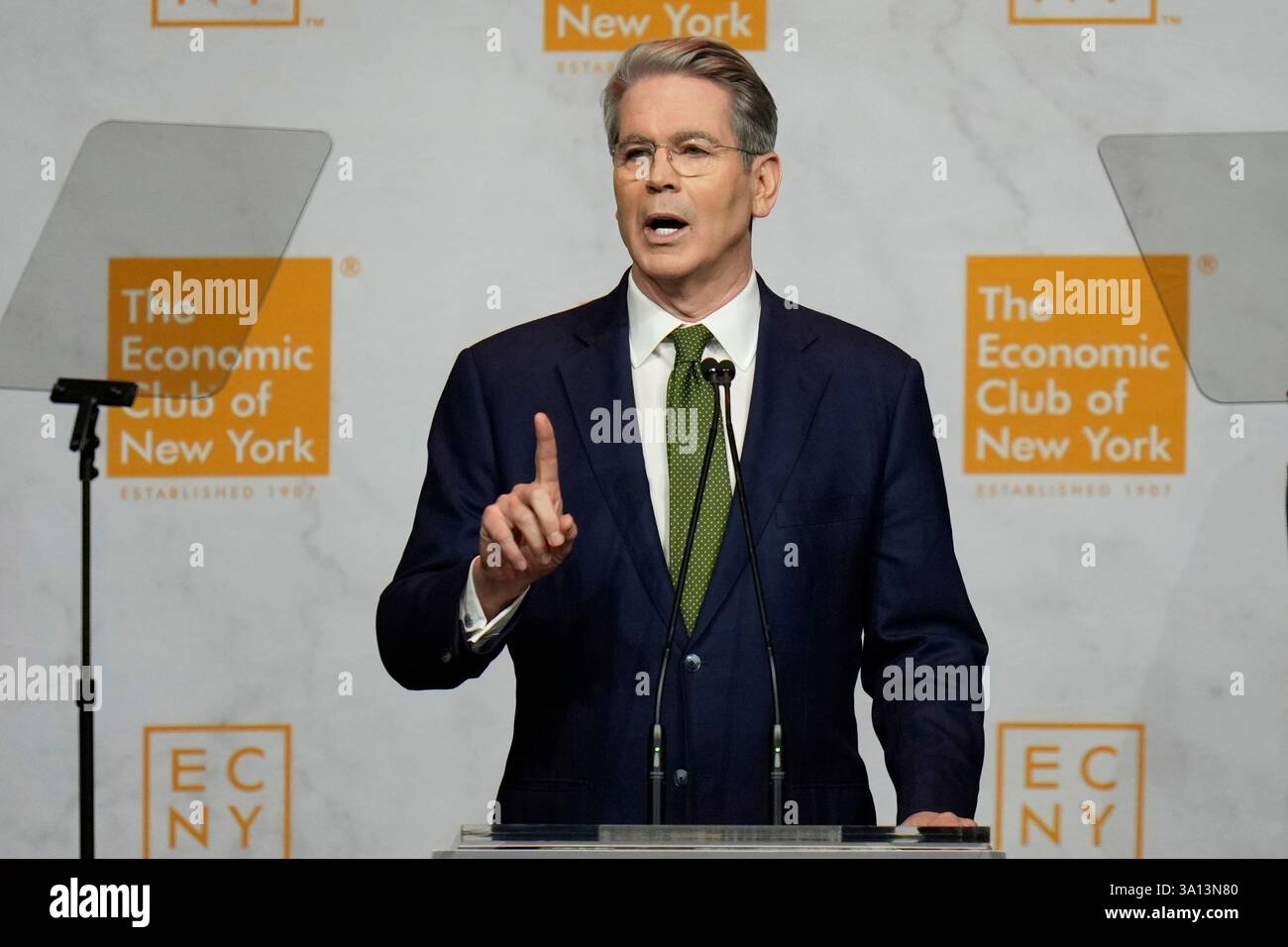
The rhetoric coming out of Washington regarding Tehran is shifting. Treasury Secretary Scott Bessent recently grabbed headlines by promising the "toughest sanctions in history" against Iran. He is betting on a specific, brutal strategy: a one-two punch that combines a persistent naval blockade with unprecedented financial isolation.
Most people are missing the bigger picture here. This isn't just about another list of names on a Treasury department blacklist. It is an attempt to force the global community to choose sides in a way we haven't seen in decades.
The Strategy Behind the Rhetoric
Why is the Treasury Secretary so confident this will work? He is operating on the assumption that total economic strangulation removes the need for large-scale military escalation. He calls this a "one-two punch." The blockade at the Strait of Hormuz is the first jab, effectively turning off the tap for Iranian oil exports. The incoming sanctions package—due to be detailed on Monday—is meant to be the knockout blow.
The goal is absolute economic isolation. By threatening any country that offers a "lifeline" to Tehran, the White House is effectively daring major trading partners to risk their own access to the American financial system.
The China Question
The elephant in the room is Beijing. China currently buys more than 80% of Iran’s seaborne oil. According to data from 2025, that trade is the only thing keeping the Iranian economy on life support. If Washington truly intends to make these sanctions historic, they have to address the Chinese connection.
Bessent’s public stance on this is telling. When pressed by reporters, he avoided naming China directly, noting that "many conversations are best to have in private." This suggests a high-stakes diplomatic gamble. The administration is likely trying to pressure Beijing into curbing these purchases behind the scenes before formally threatening them with secondary sanctions. If China refuses to play along, we are looking at a massive expansion of the conflict that goes far beyond the Middle East.
The Economic Reality on the Ground
It’s easy to talk about "collapsing a regime," but history shows these campaigns are messy. Iran has been living under various sanctions since 1979. They have become experts at navigating shadow markets, utilizing crypto wallets, and employing shell companies to bypass restrictions.
The current blockade has already cost Iran billions in potential oil revenue since February. Yet, the leadership in Tehran remains defiant. They have labeled the U.S. approach "economic terrorism," a term they’ve used for years to rally domestic support against Western pressure.
Consider these factors that will determine if this policy actually moves the needle:
- Compliance in the UAE: Dubai has historically been a critical loophole for Iranian trade. The UAE's recent decision to suspend financial transactions with Iran is a significant shift, but enforcement is always the hard part.
- Market Misinterpretation: Many oil traders are currently panicking, driving prices to three-week highs. Bessent argues these markets are misreading the plan. He believes the economic pressure will eventually lower the risk of a "kinetic restart," but the market clearly fears the opposite.
- Domestic Pressure: The Iranian central bank has already admitted to a total halt in oil exports. When basic goods become unavailable and inflation hits record highs, the internal stability of the regime will face its greatest test.
Why This Matters for You
If you follow global markets, you need to watch Monday's announcement closely. The Treasury isn't just targeting Iranian government accounts. They are looking at the entire infrastructure of international finance—currency swaps, ship registries, and insurance providers that allow trade to function.
If you're in the energy sector or involved in international trade, the ripple effects are unavoidable. We are moving toward a world where "neutrality" in trade is becoming impossible. You are either aligning with the U.S. financial system or you are accepting the risk of being cut off from it.
The administration’s "Economic D-Day" is coming. Don't expect a quick fix or a simple resolution. We are witnessing the most aggressive use of financial power in modern history, and the consequences will likely reshape global trade routes for years to come. Watch the specifics of the secondary sanctions Monday. That is where the real story—and the real pain—will be found.
The transition from theory to practice starts in days, not months. Prepare for significant volatility in energy and shipping. The days of "business as usual" for countries trading with Tehran are officially over.