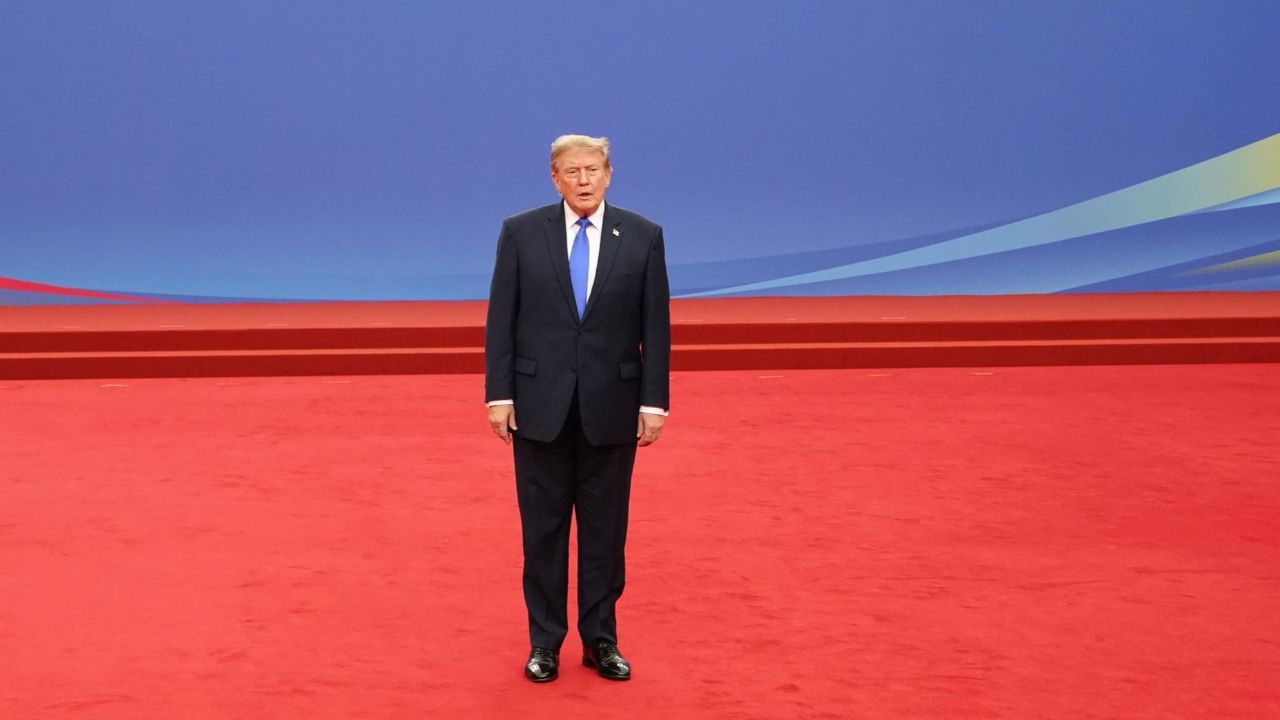
Ninety minutes in a Shenzhen villa just rewrote the diplomatic optics of 2026. Donald Trump, Xi Jinping, and Vladimir Putin sat down together for the first time as a trilateral trio on the sidelines of APEC, walked out with a four-point Declaration Towards Peace, and left the rest of the world wondering if this was a turning point or pure political theater.
Honestly, when three leaders holding roughly 90% of the world's nuclear warheads put their names on a joint peace pledge, you pay attention. Even if you're skeptical. The statement promises UN reforms, higher refined petroleum output, pushback against International Criminal Court jurisdiction, and nuclear risk dialogue. On paper, it sounds sweeping and neat. In practice, every single pillar hits a brick wall of competing interests.
Let's break down what actually happened at Kylin Villa, what the declaration leaves out, and why translating four bullet points into real-world policy is going to be a mess.
What the Declaration Towards Peace Actually Promises
Strip away the ceremonial photos and state media fanfare, and the Declaration Towards Peace boils down to four big buckets. First, as permanent UN Security Council members, the three leaders pledged to reform the United Nations so it can tackle global crises more effectively. Second, they outlined plans to ramp up production and supply of refined petroleum products to cool down strained energy markets.
Third, the trio emphasized state consent and official immunity, warning that the International Criminal Court and similar bodies shouldn't abuse their jurisdiction. Fourth, they reaffirmed that a nuclear war cannot be won and must never be fought, committing to dialogue on reducing nuclear risks and curbing proliferation.
Sounds cooperative, right? Look closer and you'll notice how carefully the wording avoids binding commitments. There are no timetables, no enforcement mechanisms, and no joint verification rules. When rivals agree on broad principles like "stable energy flows" or "effective UN reform," the devil isn't in the details—the details aren't even there yet.
Why UN Reform Sounds Great Until You Name Seats
Calling for UN reform is the easiest applause line in global diplomacy. Every major power says the post-World War II architecture needs updating. Yet the United States, China, and Russia don't agree on what "better" looks like.
For years, Washington and Beijing have floated ideas about giving greater representation to regions like Asia, Africa, and Latin America. Moscow has pushed back hard against permanent Security Council seats for countries like Japan and Germany, arguing Western and NATO allies already carry too much weight in the chamber. If three veto-wielding powers can't even align on who gets a seat at the table, turning a vague pledge into Security Council charter changes is an uphill climb.
And there's a deeper tension here. Reform usually means sharing power or diluting existing privileges. None of the three leaders walked into Shenzhen eager to hand away leverage.
Fuel Supplies Face Real-World Bottlenecks
Energy is where the declaration tries to feel immediately practical. Following supply shocks tied to the war in Ukraine and the U.S. strikes on Iran in February 2026, fuel prices and refined product flows have been a massive headache for global households and businesses. Bringing together two top oil producers—the United States and Russia—alongside China, the world's largest crude importer, makes sense on paper.
Actually boosting refined petroleum supplies is another story. In the U.S., refinery utilization is already running near multi-decade highs for this time of year, leaving limited slack overnight. Russia has capacity on paper, though keeping output steady depends heavily on avoiding ongoing strikes on its refining infrastructure. Meanwhile, China's crude purchasing patterns have stayed well below earlier highs, meaning higher refined exports or broader market relief won't happen automatically without shifting trade and procurement choices.
If you've ever watched commodity markets react to diplomatic communiques, you know traders care about barrels in the water and refinery runs, not press releases. A joint pledge signals intent, not instant relief at the pump.
The ICC Pushback and the Missing Ukraine elephant in the Room
One of the sharpest lines in the statement targets the International Criminal Court, stressing state consent, immunity for state officials, and warnings against jurisdictional overreach. For Putin, who faces an ICC arrest warrant dating back to 2023, that language is a clear diplomatic shield. For Trump, whose administration has clashed sharply with the court and sanctioned officials over investigations, signing on fits a broader skepticism of international legal bodies.
What stood out just as much was what didn't make the four-point text. Despite bilateral talks and pre-summit discussions touching on the war in Ukraine, the final Declaration Towards Peace contained no concrete provisions resolving the conflict. Ukrainian officials were left waiting for U.S. debriefings with European allies in Berlin, while fighting and air strikes continued back home.
Calling a document a peace declaration without addressing the biggest active war involving one of the signatories is a glaring omission. Critics have a fair point when they ask how durable "peace" language can be if core flashpoints stay off the page.
Nuclear Talks After New START Expired
The nuclear clause carries real weight simply because arms control guardrails have been eroding. With the New START treaty having expired in February 2026, there is no comprehensive bilateral cap binding Washington and Moscow the way there used to be.
Trump has argued for a modernized framework that brings China into the conversation, and Xi's talking points around the summit included calls for eliminating nuclear weapons over time. Yet the math is tricky. Analysts at organizations like the Arms Control Association have noted that China's arsenal—estimated above 600 warheads—is far smaller than the stockpiles of roughly 5,000-plus warheads held by the U.S. and Russia. Getting Beijing to accept strict caps while its force is still growing won't be quick or easy.
Even getting a structured dialogue off the ground matters, though. Reaffirming that a nuclear war can't be won isn't new language—it echoes past major-power statements—but keeping a channel open between all three capitals beats total silence.
What You Should Watch Next
If you're tracking geopolitical risk, energy markets, or global governance, don't treat the Shenzhen meeting as a finished deal. Treat it as a starting line with plenty of potholes.
- Track actual fuel and refinery data, not headlines. Watch U.S. refinery utilization rates, Russian fuel export flows, and Chinese crude import numbers over the next quarter to see if supply actually loosens.
- Look for follow-up working groups on nuclear risk. A single 90-minute summit won't replace expired treaties; real progress requires technical talks on crisis hotlines, missile notifications, and proliferation controls.
- Separate bilateral side deals from trilateral rhetoric. Pay closer attention to what Washington, Beijing, and Moscow do one-on-one—on trade, sanctions, and regional flashpoints—than what they sign together in a joint communique.
- Check how allies and regional powers react. Watch responses from European partners, Indo-Pacific neighbors, and developing nations in Asia, Africa, and Latin America to see whether they view this trio as stabilizing or sidelining multilateral institutions.