You expected a reckoning. Instead, a Maltese jury delivered a shocking verdict that left international observers and the victim's family reeling.
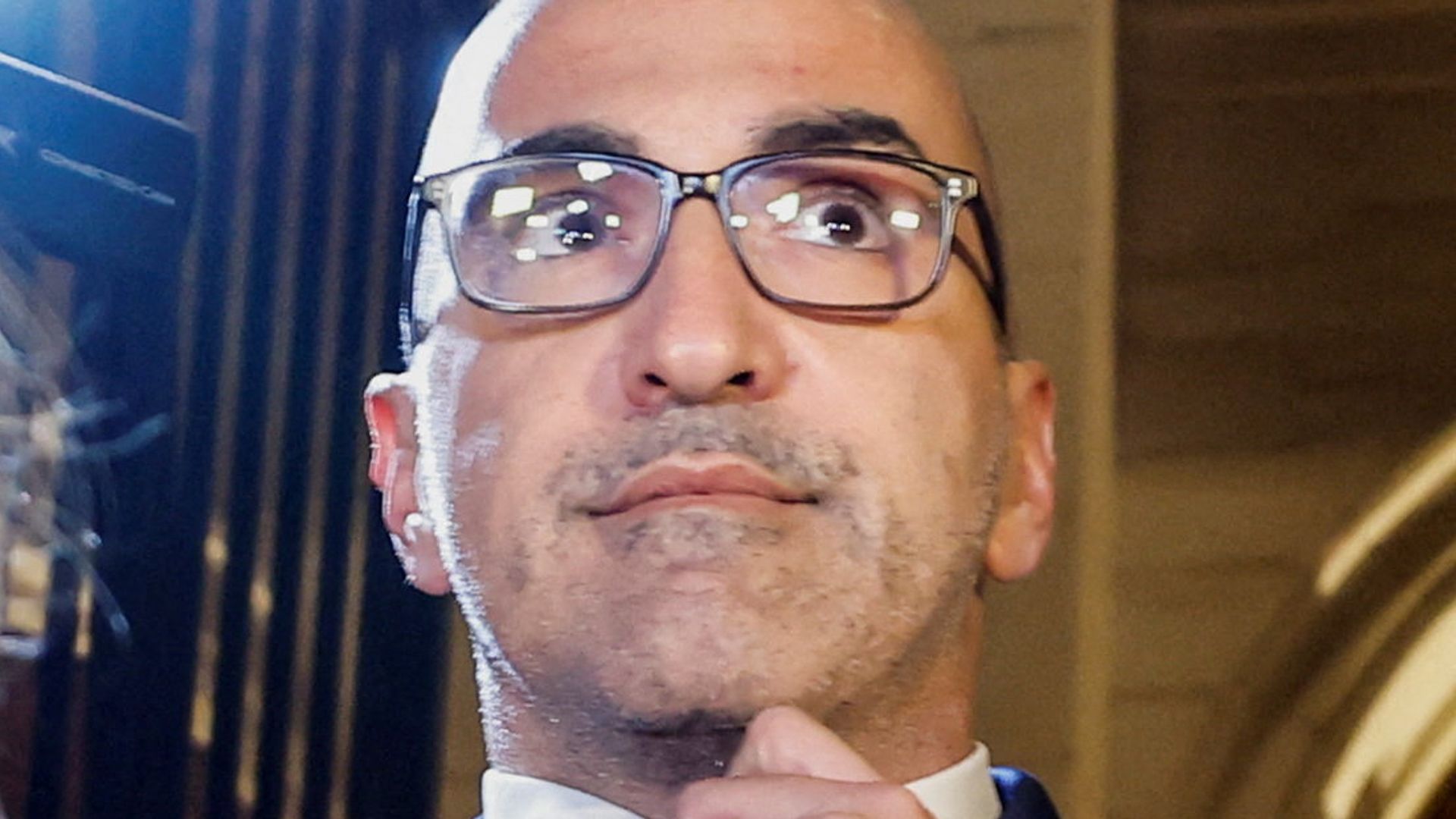
Yorgen Fenech, the prominent businessman accused of masterminding the 2017 assassination of anti-corruption journalist Daphne Caruana Galizia, has been acquitted. After a grueling two-month trial and an 8-1 jury vote, Fenech walked out of a Valletta courtroom a free man on September 2, 2026. Almost nine years after a car bomb ended the life of Malta’s most fearless reporter outside her Bidnija home, the prosecution's central case has completely collapsed.
If you've followed this case from the beginning, you know the stakes. This wasn't just a local murder trial. It was a litmus test for the European Union's smallest member state, exposing a tangled web of shady power deals, elite impunity, and high-level political corruption that forced a prime minister to resign. Now, the closure everyone hoped for has turned into fresh outrage.
The Verdict That Stunned Europe
The numbers from the courtroom tell a stark story. By an 8-1 margin, jurors cleared Fenech of complicity in murder and criminal association. Prosecutors built their narrative around the allegation that Fenech paid €150,000 through a middleman, Melvin Theuma, to orchestrate the brutal car bomb attack.
Yet, the jury simply didn't buy it. Defense attorneys successfully dismantled the credibility of key state witnesses, capitalizing on deals and pardons that left reasonable doubt in the minds of the jurors. When the not-guilty verdict came down, Fenech exited to a chaotic scene of hecklers chanting "mafia," while his legal team claimed that genuine justice had finally prevailed.
Why the Prosecution Fell Apart
Building a case on co-conspirators turned state witnesses is always a high-stakes gamble. In Fenech's trial, that gamble backfired.
- The Witness Credibility Gap: Jurors grew skeptical of testimonies given in exchange for presidential pardons or reduced sentences.
- The Chain of Command: While three hitmen received lengthy prison sentences for carrying out the physical bombing, bridging the evidentiary gap straight to Fenech's pocketbook proved too difficult for the state's closing arguments.
- The Defense Strategy: Fenech's lawyers hammered away at inconsistencies in the financial trails and middleman communications, creating just enough fog of war to secure an acquittal.
You might wonder how a case with so much initial public momentum ends this way. The reality of criminal trials in high-profile corruption cases is brutal. Proof beyond a reasonable doubt requires airtight paper trails that survive aggressive cross-examinations. When institutional checks fail early in an investigation, courtroom defenses inherit a massive advantage years down the line.
The Fallout and What Happens Next
The immediate aftermath was swift and furious. Matthew Caruana Galizia, the victim's son, condemned the decision on social media, accusing jurors of abdicating their core responsibility. Human rights organizations, including Reporters Without Borders, voiced immediate outrage, warning that the verdict sends a dangerous message about the safety of reporters across the European continent.
Opposition groups quickly organized street demonstrations in Valletta. The public anger isn't just about Fenech's acquittal; it is about the broader institutional decay that allowed the assassination to happen in the first place. An independent public inquiry back in 2021 explicitly ruled that the Maltese state shared responsibility for the killing due to a pervasive culture of impunity at the highest levels of government.
This verdict doesn't close the book on Malta's corruption crisis. It rips the cover right back off.
If you want to understand modern investigative journalism and the immense physical and political risks reporters take, look closely at Malta. The assassins are behind bars, but the mastermind walks free, leaving a shattered legal system to pick up the pieces.
Maltese businessman acquitted of commissioning journalist's murder
This video provides direct news coverage and visual context regarding the courtroom reactions and the immediate public backlash following the controversial verdict in Valletta.
http://googleusercontent.com/youtube_content/1