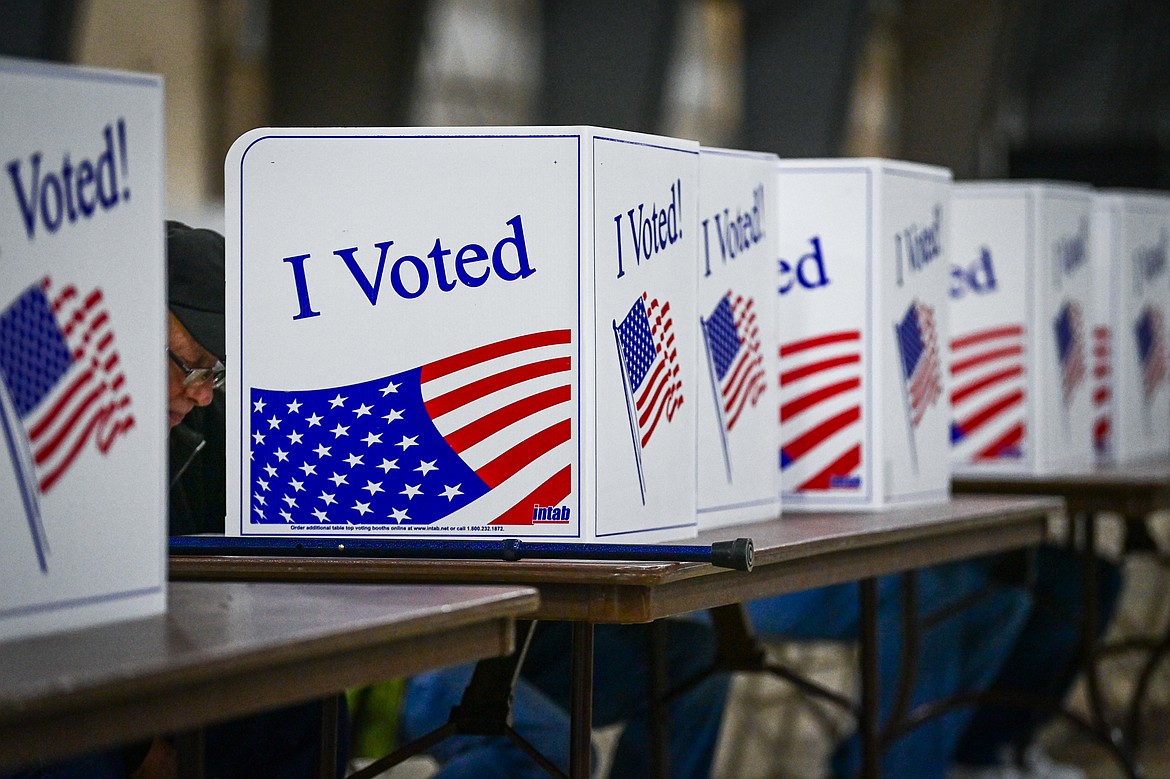
Tech billionaires spent hundreds of millions of dollars expecting a reliable return on investment from the 2026 midterm elections. Instead, they ran straight into a political brick wall.
When the dust settled on Tuesday night, Democrats seized control of Congress in a sweeping wave, leaving some of the richest men in technology staring at a radically hostile Washington. If you thought big tech moguls pulled the political strings, the 2026 results proved just how fragile that influence really is when voters decide to push back.
The High Cost of Backing the Wrong Infrastructure Bets
For the past two years, the tech elite poured massive sums into Republican campaigns. They weren't just buying ideological alignment. They were buying permits, energy access, and regulatory silence for the unprecedented artificial intelligence data center boom. Building out clusters of energy-hungry servers requires immense local and federal cooperation. Silicon Valley assumed friendly conservative lawmakers would fast-track those projects without questions asked.
Voters in key states had a completely different priority list.
In places like Texas, where massive data center proposals sparked fierce local pushback over water and electricity grid strains, the backlash became a central ballot issue. Candidates who campaigned on stricter environmental guardrails and project pauses scored stunning upsets. The message from the electorate was loud and clear: local infrastructure costs cannot be ignored just to feed Silicon Valley's endless appetite for computing power.
Silicon Valley Learns That Money Doesn't Buy Immunity
You can buy ads. You can fund super PACs. You can cozy up to party leadership. But you cannot completely manufacture a mandate when public fatigue reaches a boiling point.
The losses weren't limited to localized zoning debates. Across several battleground states, high-profile Republican candidates backed heavily by corporate tech donors crashed hard. Prominent figures tied directly to the administration's economic platform stumbled against disciplined Democratic challengers.
This outcome completely upends how tech lobbying groups operate. For years, the playbook relied on playing both sides or heavily backing the party perceived as more business-friendly. Now, major technology companies face a divided or opposition-controlled legislative branch that is eager to launch aggressive antitrust investigations, scrutinize energy consumption, and demand stricter oversight of automated systems.
What This Means for the Rest of the Tech Cycle
If you are building a startup, managing enterprise AI deployment, or investing in infrastructure, this election cycle changes the regulatory reality overnight.
Washington is no longer a passive bystander. Expect immediate committee hearings focusing on power grid strain caused by server farms. Watch for new bipartisan bills targeting data privacy and algorithmic transparency, since a newly empowered Democratic congressional majority needs legislative wins that appeal to populist voters on both sides of the aisle.
The era of unchecked, frictionless expansion for big tech data hubs is officially over. Companies that failed to build community goodwill and sustainable energy strategies are going to find themselves bogged down in federal and state litigation for the foreseeable future.
Stop assuming tech capital dictates election outcomes. The ballot box just reminded everyone that public frustration over everyday economic pressures and local resource strains outweighs venture-backed campaign war chests every single time.