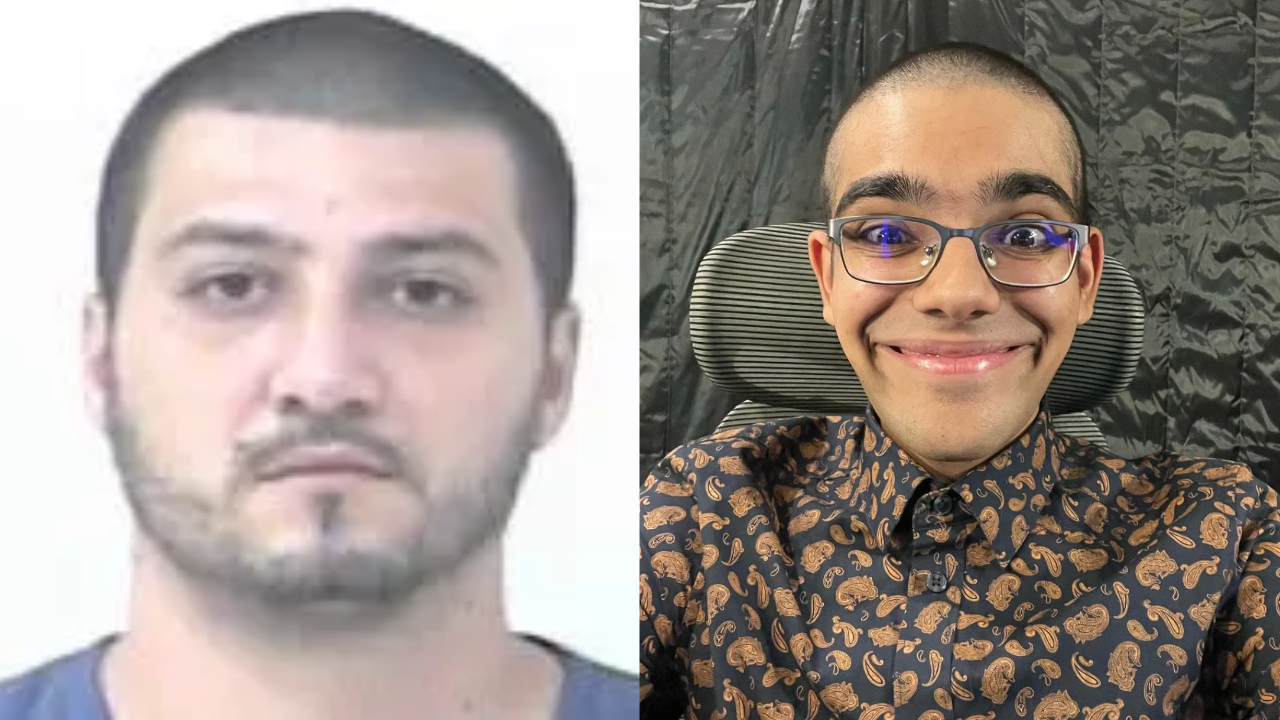
One fake voice note can drain a quarter million dollars before anyone checks a wallet address. That's basically what happened when David Anthony Sanchez, a Port St. Lucie man also known as "Dave the Jewler," was sentenced to 47 months in federal prison for using AI voice cloning to mimic streamer N3on and steal $260,000 in cryptocurrency from a meme coin project.
Announced on November 24, 2026, the sentence from US District Judge Melissa Damian followed an investigation by the FBI's Miami field office and a statement from the US Attorney's Office for the Southern District of Florida. Sanchez pleaded guilty to money laundering and aggravated identity theft, and he was ordered to pay restitution to the victims. Look closely at how he pulled it off, though. He didn't just rely on a synthetic audio clip. He built lookalike online accounts, played two roles at once—pretending to be both N3on (Mikyle Rafiq) and the streamer's representative—signed agreements in the streamer's name, and sent an AI-generated recording sounding like N3on to lock in the organizers' trust.
Honestly, if you spend much time watching how crypto deals get struck online, none of this is shocking. Crypto moves on speed, clout, and Discord or Telegram DMs. When a high-visibility streamer like N3on seems ready to back a token, organizers often treat speed as survival and verification as a bottleneck.
How AI Voice Cloning Turns Clout Into Cash
Voice cloning isn't sci-fi anymore. It's cheap, fast, and good enough to pass a casual listen over messaging apps or quick voice memos. In Sanchez's case, the synthetic voice didn't have to fool an acoustic forensics lab. It only had to sound close enough to N3on to quiet the last bit of doubt in someone who already wanted to believe a lucrative endorsement deal was real.
From my own experience watching how social-engineering scams evolve, scammers rarely rely on a single trick. The voice clip is grease for the gears. The real trap is the surrounding theater: fake accounts, forged paperwork, and a middleman persona who can stall or steer conversations whenever a question gets too sharp. When Sanchez played both the streamer and the representative, he controlled the narrative from both sides of the table.
Once the victims sent cryptocurrency to addresses Sanchez controlled, he moved to cover his tracks. Court records indicate a large share was converted into US dollars through transactions meant to hide the source and ownership of the funds, which he then spent on himself. That's a classic money-laundering pattern—using crypto's fast transfer rails to collect funds, then washing and converting them into fiat so the money can be spent in the physical world.
Why Meme Coin Teams Are Prime Targets
Meme coins live and die by attention. Unlike established software protocols with years of code audits, public governance, and institutional backers, a meme coin often runs on hype cycles that last days or hours. Founders and organizers are constantly hunting for creator co-signs because a single livestream mention can send volume spiking.
That urgency creates a glaring security hole. When people are racing to launch or ride momentum, basic identity checks feel slow and awkward. Asking a supposed talent rep for independent confirmation can feel like risking the deal altogether. Scammers know that pressure cooker inside and out.
There's also a strange irony around N3on himself. As reported by Engadget via Aftermath, N3on had previously used a deepfake of himself to keep his Kick stream running around the clock. When a creator's digital likeness is already treated casually in streaming culture—sometimes as a novelty, a stunt, or a 24/7 placeholder—the boundary between real presence and synthetic imitation gets even blurrier for everyday viewers and dealmakers.
The Legal Reality Behind Digital Impersonation
Some folks still assume online impersonation or AI tricks are a gray area that only leads to a ban or a civil lawsuit. Acting US Attorney Yara Lorenzo Klukas made it clear that federal prosecutors view it differently, stressing that real people suffer real financial harm behind these schemes and that exploiting emerging tech to manipulate trust carries serious accountability.
Forty-seven months in federal prison plus court-ordered restitution isn't a slap on the wrist. Aggravated identity theft and money laundering are heavy federal charges, and prosecutors don't need a brand-new "AI crime" statute to put someone behind bars when they use synthetic media to commit fraud, steal identities, and launder proceeds.
Still, prosecution happens after the damage is done. Once crypto is sent to an attacker's wallet and converted into cash or spent, getting every dollar back is tough. Victims often end up waiting on restitution orders that can take years to collect, if they collect at all.
Common Mistakes People Make When Verifying Deals
I've seen smart builders and operators get burned by surprisingly basic assumptions. A voice sounds right, a handle looks familiar, or a "manager" acts impatient, and people skip the boring verification steps.
Here's where deals usually go sideways:
- Trusting a single channel: A voice note in a chat app or a lookalike social account isn't proof of identity. Attackers routinely clone handles, swap subtle characters, or spoof contact chains.
- Letting one person control both sides: When the same contact coordinates terms, sends "official" agreements, and delivers confirmation from the talent, you're sitting in a closed loop built by the other party.
- Confusing speed with legitimacy: Scammers love artificial deadlines. Genuine business partners might push for a quick turnaround, yet they usually have verifiable business channels and real accountability.
- Treating crypto transfers as reversible: Once funds move on-chain and start getting converted or layered across transactions, recovery becomes an uphill battle for law enforcement and victims alike.
What You Should Do Before Any High-Stakes Deal
If you run a project, manage funds, or negotiate partnerships online, don't wait for a 47-month prison headline to tighten your habits. Treat every high-value request involving celebrity or creator backing as hostile until proven otherwise.
Start verification outside the thread where the pitch began. Reach out to a known, independently verified official channel for the creator or agency—not an email address, handle, or phone number supplied inside the deal chat.
Require live, multi-channel confirmation for anything involving money or agreements. A pre-recorded voice clip is way too easy to fake; real-time verification across an established, independent line is much harder for an impersonator to bluff through.
Keep a strict rule separating hype from transfer authority. Nobody should be able to move project funds or sign binding terms based solely on DMs, voice notes, or urgency. Slowing down for five minutes of real verification can save you six figures and months of regret.