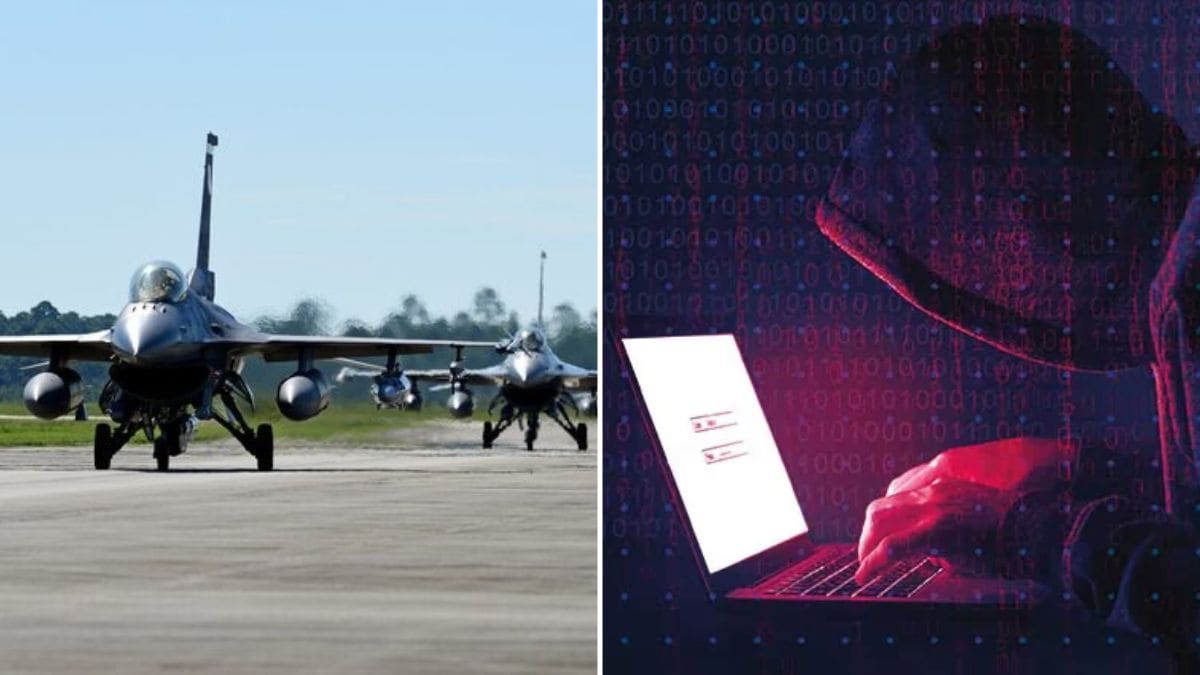
Security perimeters are an illusion. When headlines broke about hackers breaching a core Air Force cloud computing platform, a lot of people acted surprised. They shouldn't have been. We spent decades building digital fortresses, assuming that high walls and heavy encryption would keep the bad guys out.
Instead, attackers walked right through the digital backdoor.
Cloud environments are massive, complex, and notoriously difficult to monitor in real time. When you migrate military operations, logistics, and intelligence data to the cloud, you trade physical control for operational agility. That trade-off comes with a massive hidden cost. Let's look at why this recent breach happened, what it means for modern defense infrastructure, and why traditional security models are completely failing us.
The Reality of Cloud Vulnerabilities in Modern Defense
People think military networks are impenetrable. They picture a basement full of glowing servers behind three-foot-thick steel doors, guarded by soldiers with rifles. That image belongs in a 1990s action movie. Today's military runs on software-defined infrastructure, distributed networks, and commercial cloud providers.
The Air Force relies heavily on cloud architectures to process terabytes of data daily. From flight telemetry to supply chain manifests, everything lives in the cloud. That centralization makes it an irresistible target.
When hackers breach an Air Force cloud computing platform, they aren't just stealing passwords. They are probing the digital nervous system of the armed forces. The attack vector usually starts small. A compromised credential, a misconfigured storage bucket, or a zero-day vulnerability in a third-party vendor software. Once inside, lateral movement becomes the real danger. Attackers hop from one virtual instance to another, blending in with legitimate administrative traffic until they find what they came for.
Why Traditional Perimeter Defense is Dead
We keep trying to lock the front door while leaving the windows wide open and the back door off its hinges. The old cybersecurity playbook relied on perimeter defense. You build a wall, you verify identity at the gate, and you trust everything inside the wall.
That model is dead. It died the moment remote work, multi-cloud strategies, and software-as-a-service platforms became the default standard.
In a cloud environment, there is no perimeter. Your data lives on servers managed by contractors, accessed by personnel scattered across the globe, interacting with APIs that communicate constantly. If an adversary steals a valid credential belonging to a trusted contractor, the security walls treat them like royalty. They have the keys to the kingdom because the system was designed to trust credentials, not verify intent continuously.
Zero-trust architecture is supposed to fix this, but implementation is messy. True zero-trust means authenticating and authorizing every single request, user, and device, regardless of whether they are inside or outside the network. Moving an entire branch of the military to a genuine zero-trust framework isn't a software patch you can download on a Friday afternoon. It requires a complete cultural and structural overhaul.
The Supply Chain Problem No One Wants to Talk About
You can write the cleanest code in the world, but if your third-party cloud vendor cuts corners, your network is compromised. Modern military tech stacks rely on an endless web of defense contractors, sub-contractors, and commercial software vendors.
Each vendor represents an entry point.
Hackers know this. They don't waste time trying to crack the Department of Defense's front-line firewalls when they can compromise a minor software vendor who supplies a widget tracking tool to the Air Force. Once the vendor is compromised, the attackers ride their legitimate update channels straight into the target network.
Supply chain security is the weakest link in national defense. Until we hold commercial partners to the same rigorous compliance and auditing standards as active-duty military personnel, these breaches will keep happening. We are only as secure as the least secure vendor with access to our APIs.
What Needs to Happen Right Now
Complacency is our biggest enemy. We cannot treat this latest breach as an isolated incident or a temporary PR crisis. It's a symptom of a systemic failure in how we conceptualize digital warfare.
First, automation must replace manual oversight. Human security teams cannot manually review millions of log entries generated by a cloud platform every second. Machine learning models need to flag anomalous behavior instantly, isolating compromised nodes before attackers can exfiltrate sensitive data.
Second, transparency matters. When breaches occur, hiding behind vague statements about operational security only helps the enemy. Contractors and agencies need to share threat intelligence rapidly so other branches can patch similar vulnerabilities before they get exploited.
The digital battlefield is here. We are already losing ground because we are fighting modern threats with yesterday's mental models. Fix the architecture, assume you are already compromised, and stop trusting the perimeter.