The streets of Tehran didn't look like a place preparing for peace. They looked like a staging ground.
Millions of Iranians flooded the capital on Monday, turning a 12-hour funeral procession into a massive, state-orchestrated declaration of defiance. This wasn't just a standard state burial. It was a boiling pot of grief and geopolitics. The flag-draped coffin of late Supreme Leader Ayatollah Ali Khamenei moved on the back of a massive truck, surrounded by the smaller caskets of family members who died alongside him in the devastating February 28 joint U.S.-Israeli airstrike.
If Western officials expected a battered Iran to crawl to the negotiating table in a spirit of capitulation, the scenes in Tehran offered a harsh reality check. The public isn't talking about diplomacy. They want blood.
The Ritual of Revenge on Freedom Square
State television captured a sea of black stretching for miles from Azadi (Freedom) Square down the capital's central avenues. The turnout easily rivaled, and perhaps surpassed, the historic 1 million-strong crowd that gathered for General Qassem Soleimani in 2020.
Mourners didn't just beat their chests in traditional Shiite grief. They threw flower petals, hurled rocks at billboards of U.S. President Donald Trump, and hoisted effigies of the American leader from bridges with nooses around their necks.
The timing was clearly intentional. The dayslong funeral rites kicked off on July 4, deliberately overshadowing the 250th anniversary of American independence. While Trump told a crowd in South Dakota that the U.S. had "knocked the hell out of Iran" and granted a "week off for a funeral," the response from the ground in Tehran was a collective rejection of American pressure.
"We don't want a deal, we want Trump's head," crowds chanted at a metro station near the procession route. Red banners adorned with the word "Martyr" and slogans calling out to the "avengers of Khamenei" dominated the skyline. It’s a direct callback to seventh-century Shiite martyrdom traditions, signaling that this fight has transcended modern politics and entered the realm of sacred duty.
Who Showed Up and What It Means
For months, the inner workings of the Iranian regime have been shrouded in secrecy. The war battered leadership structures and forced key figures deep underground. Monday changed that. The funeral served as a high-stakes coming-out party for the surviving political and military elite, designed to project absolute continuity to both domestic critics and foreign intelligence agencies.
- The New Supreme Leader's Absence: Ayatollah Mojtaba Khamenei, the late leader's son who quickly ascended to the top spot, remained out of public view due to obvious security constraints. His late wife’s casket was among those on display, underlining his deep personal stake in this conflict. Organizers actively handed out his portrait alongside his father's to solidify his legitimacy.
- The Return of the Hardliners: Foreign Minister Abbas Araghchi was spotted weaving through the crowds on the back of a motorcycle, flanked by heavy security. Former President Mahmoud Ahmadinejad made a rare public appearance, his first major sighting since the war erupted.
- The Military Core: The new commander of the Islamic Revolutionary Guard Corps (IRGC), Ahmad Vahidi, stood alongside Esmail Qaani, head of the elite Quds Force. Their presence side-by-side tells you everything you need to know about who is holding the levers of power right now.
The High Stakes Diplomacy in the Shadow of Grief
The furious rhetoric on the streets stands in sharp contrast to what is happening behind closed doors. Iran is currently engaged in fragile, back-channel ceasefire negotiations with the United States. Talks are scheduled to resume in Pakistan on July 11, immediately after the six-day funeral concludes.
This creates a volatile paradox. President Masoud Pezeshkian is attempting to navigate a path out of economic ruin and military devastation, yet the regime's very survival depends on maintaining an ideological posture of total resistance. The massive public turnout is a tool for the regime. It is leverage. By demonstrating that millions are still willing to mobilize for the Islamic Republic, Tehran is signaling to Washington that any permanent peace deal must be signed on terms that don't look like a total surrender.
The logistical scale of the event also highlights the regime's desperation to avoid internal chaos. During the 1989 funeral of Ayatollah Ruhollah Khomeini, panicked crowds stormed the carriage, forcing authorities to use a helicopter to retrieve the body after a fatal stampede. This time, concrete barriers fortified a two-kilometer perimeter around central Tehran, and firefighters endlessly misted water over the crowds to prevent collapse in the blistering 35°C (95°F) summer heat.
The Long Road to Mashhad
Tehran is only the first stop. The regime is maximizing the symbolic impact of this funeral by parading the coffins across the regional Shiite heartland over a punishing six-day itinerary.
- Tuesday: The procession moves to the domestic theological hub of Qom.
- Wednesday: The bodies cross international borders to the holy Iraqi cities of Najaf and Karbala, where President Pezeshkian is slated to join international dignitaries.
- Thursday: The final burial will take place at the Imam Reza shrine in Mashhad, Khamenei's northeastern birthplace.
What Happens Next
If you are tracking the trajectory of the Middle East conflict, ignore the diplomatic pleasantries and watch these three pressure points over the coming days:
- Watch the Pakistan Talks on July 11: The immediate aftermath of the burial will reveal whether Iran's negotiators use the fiery domestic rhetoric to dig in their heels or if the economic reality of a battered nation forces them into concessions.
- Monitor Mojtaba Khamenei's Security Footprint: The new Supreme Leader cannot rule from an underground bunker forever. His first major public speech or appearance will dictate how firmly he holds the loyalty of the IRGC rank-and-file.
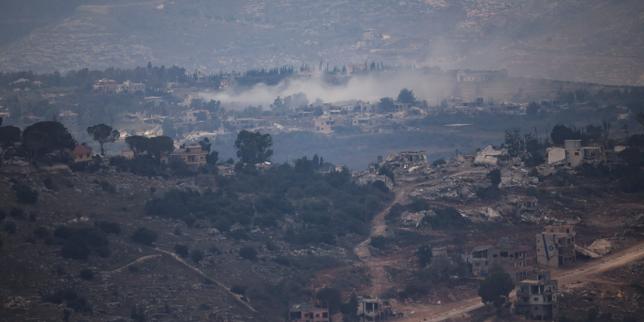
- Track Regional Proxy Movements: The presence of yellow Hezbollah flags throughout the Tehran crowd proves that despite Israeli ground operations in southern Lebanon, the regional network remains ideologically tethered to Tehran's command structure. If a deal isn't reached soon, those flags represent the next wave of mobilization.