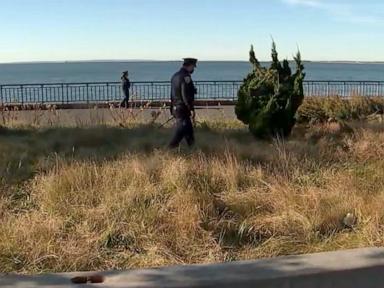
A quiet Friday night along the Brooklyn waterfront turned into a nightmare when a 28-year-old woman was brutally attacked while out for a run. Training for the New York City Marathon, she expected a standard evening training session. Instead, she ended up fighting for her life at NYU Langone Hospital-Brooklyn after being stabbed multiple times in the neck along the Shore Parkway Greenway.
The New York Police Department is scrambling for answers. Days after the assault in the Bath Beach neighborhood, no suspect is in custody and the motive remains completely unknown. This high-profile violence exposes glaring blind spots in city safety initiatives, leaving local runners and residents on edge.
The Timeline and the Blind Spots
The attack unfolded at approximately 8:16 p.m. along the heavily trafficked waterfront path overlooking Gravesend Bay. According to reports gathered by investigators, the victim had spoken to her parents around 8:00 p.m., mentioning she was only half a mile away from meeting them. When she missed the checkpoint and stopped answering calls, alarm bells rang.
Emergency responders found her suffering from severe neck trauma. Police are zeroing in on the window between 7:56 p.m. and 8:12 p.m. along the eastbound bike path between Bay 8 Street and Bay 17 Street.
Yet, finding witnesses in these transition zones is notoriously difficult. Waterfront greenways offer gorgeous views of the Verrazzano-Narrows Bridge, but after dark, lighting drops, foot traffic thins out, and surveillance coverage gets spotty.
Why Urban Waterfront Paths Turn Vulnerable After Dark
Cities love promoting linear parks and greenways as active transit triumphs. They look great on urban planning brochures. But reality hits hard once the sun goes down.
- Lighting Gaps: Many stretches of waterfront paths rely on ambient light or spaced-out lampposts that leave deep shadows.
- Isolation Points: Sections flanked by busy parkways on one side and open water or empty industrial edges on the other create natural bottlenecks with few escape routes.
- Communication Dead Zones: Cellular connectivity and emergency call box visibility can be inconsistent, delaying critical response times when seconds count.
When you push your mileage late into the evening, you assume public infrastructure has your back. Incidents like this shatter that illusion. Runners shouldn't have to treat a routine training session like a tactical operation.
What Investigators Need Right Now
The NYPD's Crime Stoppers division is leaning heavily on public cooperation. Investigators want to hear from anyone who noticed suspicious behavior, erratic loitering, or sudden movements along the Bath Beach stretch of the Shore Parkway Greenway.
If you were driving along the Belt Parkway or walking the path that Friday night and have dashcam footage or private surveillance, your data might hold the missing link. You can contact the NYPD's Crime Stoppers Hotline at 1-800-577-TIPS. Tips remain strictly confidential.
Protecting Yourself When Running Solo
Relying solely on law enforcement response after an attack happens is a bad strategy. If you run outdoors in city environments, you have to adjust your habits to account for systemic safety gaps.
First, ditch the complete noise cancellation. Running with both earbuds drowned in high-volume music cuts off your situational awareness. If you must listen to audio, keep one ear open or use bone-conduction headphones.
Second, share your live location digitally. Apps make it easy to ping a trusted friend or family member with real-time tracking whenever you step out the door. Set a hard check-in time. If you do not text back within ten minutes of your expected finish, your contact knows to look.
Finally, pick your routes based on visibility, not just scenery. Stick to well-lit commercial corridors or populated parks during night hours, and save the isolated waterfront stretches for daylight.
The investigation into the Bath Beach stabbing continues. Until an arrest is made, stay sharp out there.