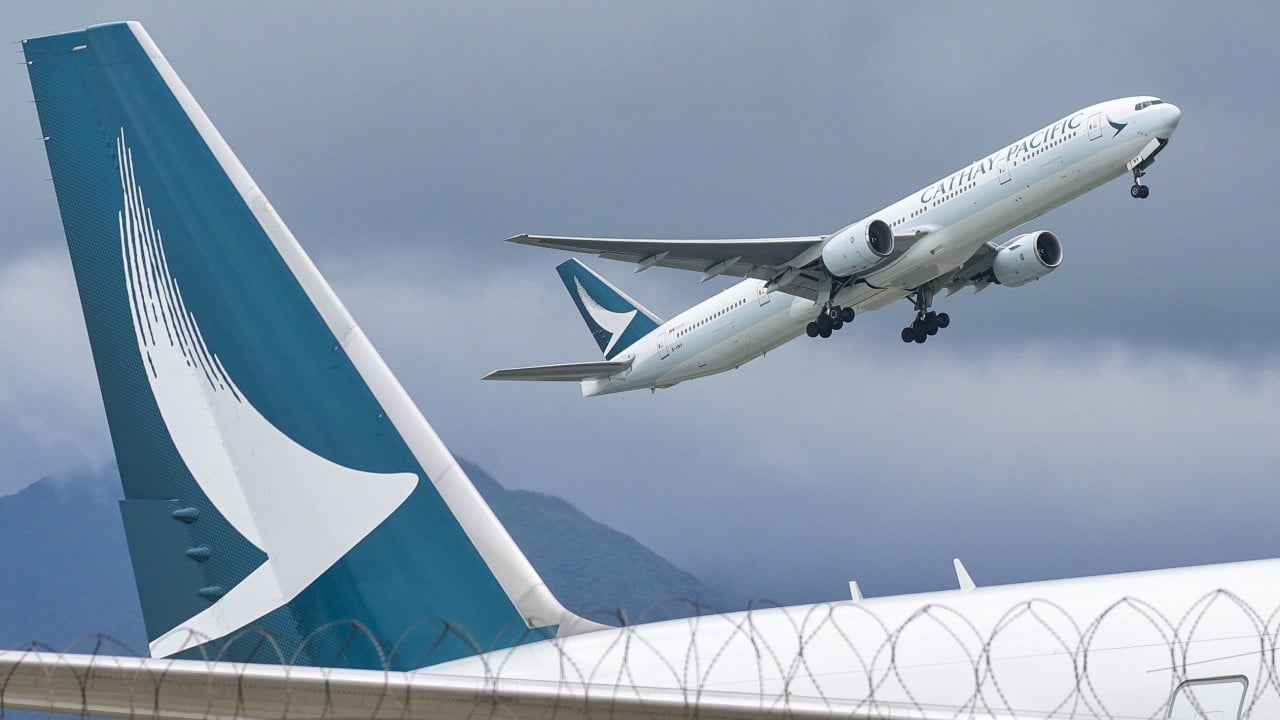
When two major long-haul routes operated by a premier carrier face technical snags within days of each other, passengers notice. Recently, Cathay Pacific faced intense scrutiny after two high-profile flights—one originating from London Heathrow and another from Tokyo Narita—were forced to either turn back or divert mid-route due to technical issues.
Flight CX252, bound for Hong Kong from London, had to loop back to Heathrow shortly after departure, while flight CX521 from Tokyo Narita was forced to land at Kansai International Airport in Osaka instead. Both aircraft landed safely, but the operational headache for hundreds of travelers raises deeper questions about airline reliability, maintenance protocols, and how carriers handle sudden mid-air anomalies.
What Actually Happened on CX252 and CX521
Aviation safety is built on an abundance of caution, which is precisely why flight crews make the tough call to abort a long-haul journey. Flight CX252 departed London Heathrow for Hong Kong, but technical indicators prompted the flight crew to prioritize safety and return to the departure hub. Landing safely back at Heathrow, passengers were disembarked and re-routed onto alternative services.
Meanwhile, flight CX521 faced a similar fate departing from Tokyo Narita International Airport. Rather than pushing through to Hong Kong, the aircraft diverted and touched down safely at Kansai International Airport in Osaka. Cathay Pacific's engineering teams immediately stepped in to conduct thorough inspections.
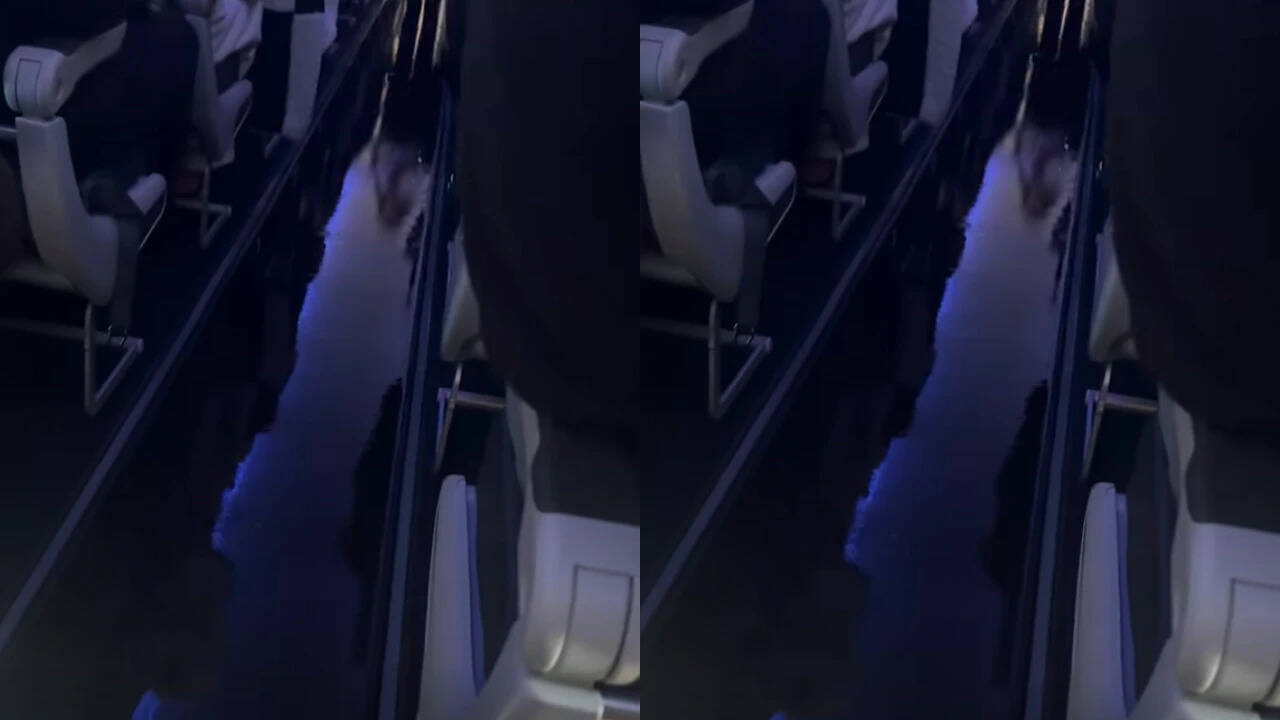
While technical diversions are standard safety procedures designed to protect passengers and crew, experiencing one live is jarring. When you're sitting thousands of feet in the air and the captain announces a turnaround, comfort instantly takes a backseat to mechanics.
The Ripple Effects of Long-Haul Aviation Maintenance
Managing an international hub carrier means juggling intense aircraft utilization rates. Modern widebody jets are engineered to fly nearly round-the-clock to remain profitable. However, supply chain constraints and global maintenance backlogs have put pressure on airline engineering departments worldwide.
When an unexpected technical fault grounds a plane at an outport like London Heathrow or diverts it to Osaka, the logistical domino effect is immediate:
- Passenger Re-Accommodation: Finding hundreds of open seats on alternate flights out of major hubs is rarely instant.
- Crew Rostering Constraints: Strict legal limits on pilot and cabin crew flight hours mean disrupted schedules cascade into secondary delays.
- Engineering Availability: Specialized parts and certified technicians must be mobilized quickly, especially at diversion airports where the airline might not maintain a permanent heavy-maintenance base.
Cathay Pacific arranged transfers for the affected passengers on both flights, but travelers often lose hours—if not days—of their itineraries while waiting for recovery flights.
How to Protect Your Travel Plans When Technical Issues Strike
You can't control whether an aircraft sensor malfunctions, but you can control how resilient your travel itinerary is against unexpected disruptions. Frequent flyers on major international routes rely on a few practical habits to minimize the fallout when things go sideways.
Always book through-tickets whenever possible. If you piece together separate tickets—say, booking a budget leg to Tokyo and a separate Cathay Pacific ticket home—a diversion or delay means you absorb 100% of the financial loss if you miss the connection. A single ticket forces the airline to look after you.
Keep essential electronics, medications, and a change of clothes in your carry-on bag. If your flight returns to Heathrow or diverts to Osaka, checked luggage can sometimes take hours to retrieve, or it may be locked in the hold until the aircraft is fully cleared by local authorities.
Finally, download the airline's official app and turn on push notifications. Real-time gate changes, rebooking links, and digital meal vouchers often land in the app long before airport queues form at customer service desks. Staying proactive beats standing in a line with three hundred stressed passengers every single time.