The Democratic Republic of Congo just launched a high-stakes clinical trial called Tumaini, which translates to "hope" in Swahili. As the country grapples with its deadliest recorded epidemic of the Bundibugyo Ebola virus strain, health authorities have administered the first doses in Bunia, the capital of the northeastern Ituri province. It's a massive scientific effort, but it's happening while the virus is already deeply embedded in local communities.
If you look closely at how outbreaks unfold in central Africa, you realize that launching a trial mid-crisis is always a brutal gamble. The virus isn't waiting for researchers to finish paperwork or build ideal lab conditions. Over 4,600 lives have been lost since May, and total cases have surged past 9,700. Testing vaccines while fighting an active, fast-moving fire requires extraordinary coordination, and medical teams are facing immense hurdles on the ground.
Navigating Chaos on the Front Lines
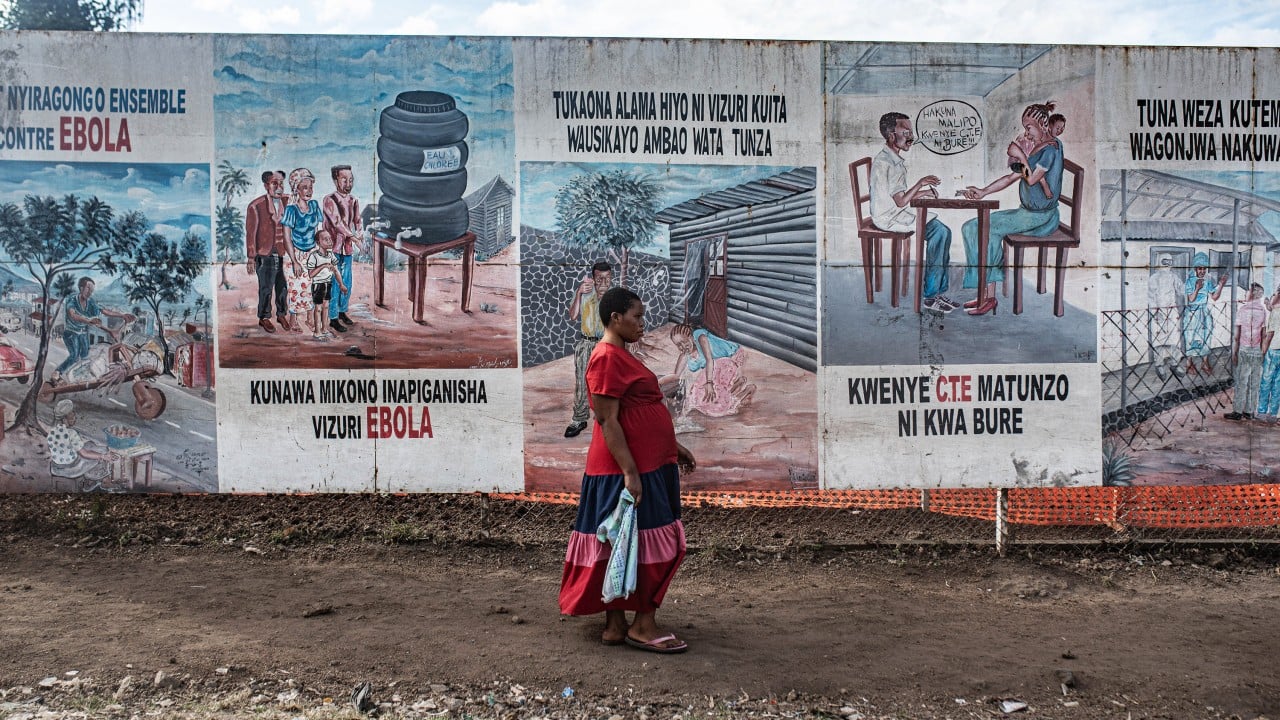
Conducting clinical research during an active outbreak is notoriously messy. Decades of regional instability, armed groups, and deep-seated community mistrust complicate every single step of patient enrollment and follow-up.
The World Health Organization reports that contact tracing is falling short of critical benchmarks. In many high-risk zones, teams struggle to reach even 80 percent of tracked contacts within a standard 24-hour window, landing well below the desired 95 percent target. When people flee treatment centers or distrust safe burial practices, the virus gains ground faster than public health messaging can catch up.
That's why the Tumaini trial represents such a critical pivot. Funded and supported by organizations like the Coalition for Epidemic Preparedness Innovations, the Phase 2/3 trial aims to evaluate safety, immune response, and real-world effectiveness among high-risk individuals, including those who have been in direct contact with confirmed patients.
Testing Cross-Protection and New Candidates
One of the biggest obstacles at the start of this epidemic was a complete lack of approved vaccines or targeted treatments for the specific Bundibugyo strain. Existing vaccines like Ervebo were originally built to combat the Zaire Ebola species.
Yet, researchers aren't standing still. Animal studies suggest Ervebo might offer some degree of cross-protection against Bundibugyo infections, lowering mortality rates significantly. The trial is putting this hypothesis to the test while also evaluating newer candidate vaccines built specifically for the outbreak.
Crucially, the study includes populations traditionally sidelined in clinical research, such as pregnant women and children aged 12 and older. Generating robust safety and efficacy data for these vulnerable groups is a massive win for future epidemic preparedness.
What Happens Next in the Fight
Determining whether these vaccines actually work will take several months. Everything depends on how rapidly researchers can enroll enough participants who have been exposed to confirmed cases.
If the data comes back positive, it will mark the first time humanity has definitive proof of vaccine efficacy against the Bundibugyo strain. More importantly, manufacturing networks have already proven they can move fast—producing hundreds of thousands of dose equivalents in a matter of days once the raw materials are secured.
The road ahead remains steep, marked by security risks and logistical bottlenecks. But putting science directly into the response gives affected communities their best shot at turning the tide.