Energy markets are running on raw nerves right now. When Brent crude stubbornly parks itself above the $114 threshold, corporate treasurers, logistics managers, and everyday drivers all feel the squeeze. But you shouldn't look at this price action through a simple supply-and-demand lens. Today's crude market is reacting to a cocktail of high-stakes political uncertainty, naval choke points, and shifting leadership in West Asia that has traders scrambling to reprice risk.
If you are wondering why energy bills aren't dropping despite temporary dips in spot pricing, the answer lies in the persistent geopolitical risk premium. Let's break down what is actually driving oil right now, what the mainstream reports miss, and how businesses are adapting to $114-plus Brent.
The Israeli Election Factor and Regional Realignment
Markets hate a vacuum, and they despise unpredictability even more. With exit polls in Israel showing incumbent Prime Minister Benjamin Netanyahu running neck-and-neck with opposition figures like Gadi Eisenkot, currency and commodity desks are caught in a holding pattern.
Why does a Knesset election move Brent crude? Because the outcome dictates the immediate future of military strategy regarding Iran's nuclear infrastructure and regional proxy networks. Hardline continuity versus a recalibrated diplomatic or military approach changes the probability of supply-crippling escalations. Traders are pricing in the distinct possibility that whoever forms the next government could alter the tempo of conflict across the Persian Gulf, directly threatening the daily flow of tankers.
When you see oil steadying near multi-month highs, you are looking at institutional investors hedging against tomorrow's headline. They aren't waiting for a pipeline to blow up; they are buying options today because the probability curve of a severe supply shock has tilted upward.
The Strait of Hormuz and the Real Cost of Transit
It is easy to look at global production quotas from OPEC+ and assume you understand global supply. You don't. The real vulnerability sits in narrow strips of water like the Strait of Hormuz and the Bab el-Mandeb Strait.
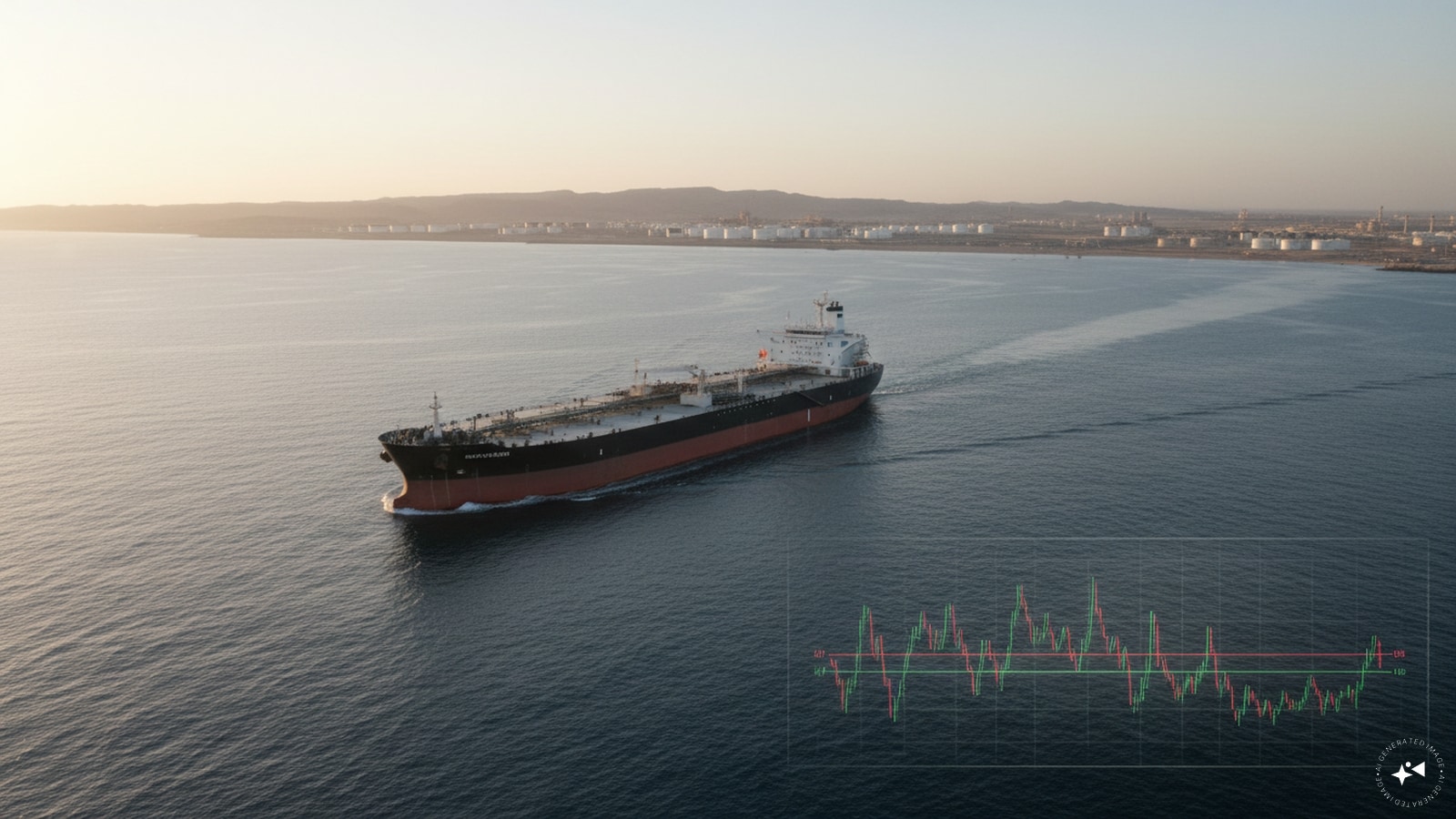
Recent months have brought renewed friction to commercial shipping lanes. Tankers navigating the Persian Gulf face heightened insurance premiums, electronic interference, and active security threats. When major producers like Saudi Arabia encounter infrastructure disruptions—such as drone strikes on regional facilities or pipelines—the market realizes that extracting oil is only half the battle. You still have to get it out of the region.
Insurance underwriters aren't feeling generous. War risk surcharges for Gulf transits have surged, adding tangible dollars to every barrel delivered to Asian and European refiners. This structural inflation in freight and insurance costs guarantees that even if spot crude slips for a few hours, the floor under Brent remains formidable.
US Inventories and Strategic Realities
On the domestic US front, fundamentals are providing little relief to consumers. Recent Energy Information Administration data revealed that crude inventories fell by roughly 2 million barrels, underscoring steady domestic consumption and a tightening supply balance.
Washington's diplomatic maneuvers are also keeping the pressure on Tehran. Reports of discussions urging Persian Gulf partners to brace for potential contingencies have kept geopolitical anxiety alive. At the same time, refiners are scrambling to lock in crude supplies ahead of the winter heating season, creating a seasonal demand pull that clashes with geopolitical bottlenecks.
When inventories shrink while foreign policy remains aggressive, the market absorbs a double whammy. Refiners can't afford to play inventory chicken. They are buying barrels now to secure operations through the winter months.
What This Means for Your Bottom Line
If you run a business dependent on transport, manufacturing, or plastics, hoping for a return to cheap energy is a losing strategy. High Brent prices cascade through supply chains with ruthless efficiency. Diesel costs, air freight surcharges, and petrochemical feedstock prices all march upward in lockstep with crude.
Here is what you need to do right now to protect your margins:
- Audit your logistics contracts immediately to identify fuel surcharge formulas and secure rate caps where possible.
- Diversify your supplier base to hedge against localized disruptions in key shipping corridors.
- Build inventory buffers for high-turnover materials before winter demand peaks and logistics bottlenecks tighten further.
The $114 baseline for Brent isn't an anomaly. It is the new reality of a fractured energy market where politics dictates the price at the pump. Stop waiting for the noise to clear and start adjusting your operational models today.