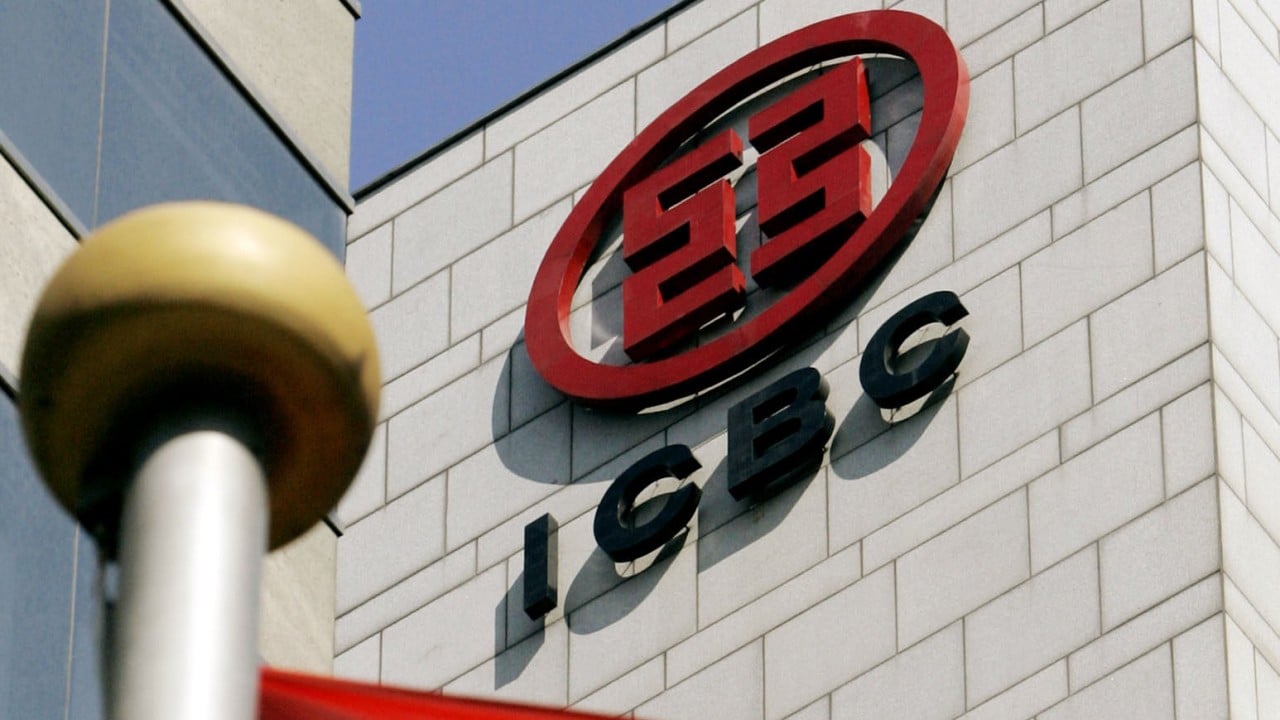
Back in October 2006, Wall Street watched with a mix of awe and skepticism as a financial giant from Beijing did something entirely unprecedented. The Industrial and Commercial Bank of China, better known as ICBC, pulled off a historic dual listing in Shanghai and Hong Kong that vacuumed up roughly US$19 billion. Total proceeds eventually swelled past US$21 billion once greenshoe options cleared. At the time, it shattered every existing record to become the largest initial public offering the world had ever seen.
Most Western analysts completely missed the structural shift happening in real time. They looked at China's state-owned banking apparatus through a narrow lens of skepticism, pointing to legacy non-performing loans and heavy government oversight. Yet, that massive dual listing wasn't just a fundraising event. It marked the definitive moment financial gravity started shifting eastward.
Breaking the Mold With a Simultaneous Dual Listing
Executing a massive public offering in a single exchange is hard enough. Doing it simultaneously across two distinct regulatory environments with completely different investor pools was a logistical nightmare. On October 27, 2006, ICBC traded concurrently on the Shanghai Stock Exchange and the Stock Exchange of Hong Kong.
This dual-track approach solved a major strategic puzzle for Beijing. It kept domestic capital anchored inside mainland renminbi markets while simultaneously tapping deep international liquidity pools in Hong Kong through H-shares. Retail and institutional demand broke records across the board. Institutional books were oversubscribed dozens of times over, pulling in hundreds of billions of dollars in eager orders. Investors wanted a piece of China's unstoppable economic engine, and ICBC gave them front-row access.
Why the Record Breaking Debut Mattered
Before ICBC made its splash, global IPO records belonged to Western telecommunications and tech giants or privatized European energy firms. A Chinese commercial bank taking the crown signaled a profound economic rebalancing.
Consider the numbers behind the transition. The bank raised roughly RMB 46.64 billion domestically and HK$124.95 billion internationally. This wasn't merely about padding corporate balance sheets. Beijing was actively reforming its "Big Four" state-owned lenders, cleaning up toxic legacy debt, and injecting foreign strategic capital to upgrade corporate governance. Strategic investments from heavyweight global institutions like Goldman Sachs, American Express, and Allianz prior to the launch helped inject modern risk management frameworks into a traditionally bureaucratic institution.
The Long-Term Fallout for Global Markets
Skeptics at the time warned about overheating and structural risks in Chinese banking. Some pundits predicted the massive liquidity surge would end in tears. Instead, the offering laid the groundwork for a decade where Asian exchanges regularly outpaced New York and London in total capital raised. Hong Kong cemented its status as the premier global bridge connecting mainland corporate giants with international capital.
Other state-owned banking behemoths like the Agricultural Bank of China later followed suit, chasing even larger records, but ICBC broke the ice. It proved that mammoth state enterprises could transition into publicly traded powerhouses without losing state backing or market credibility.
If you want to understand how modern global finance evolved into the multi-polar system we see today, you have to look right back at that chilly October morning in 2006. That was the day the center of financial gravity officially moved.