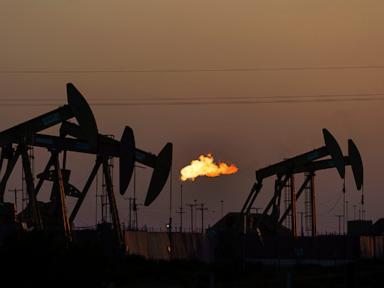
If you think energy policy is just boring bureaucratic red tape, you haven't been watching the oil patch lately. President Donald Trump is pushing hard to dismantle strict federal curbs on methane emissions from oil and gas drilling, framing the move as a major win for domestic production and household budgets. But peel back the campaign rhetoric and you'll find a massive regulatory clash over how the U.S. handles planet-warming greenhouse gases.
The White House and EPA Administrator Lee Zeldin argue that rolling back these Biden-era rules will save energy companies billions of dollars and help unlock millions of barrels of oil. On the flip side, environmental watchdogs point out that methane is a potent gas that traps heat far faster than carbon dioxide in the short term. When you loosen rules on leaking equipment, flaring, and smaller marginal wells, you change the entire calculus of American energy independence versus climate impact.
What the Proposed Rollbacks Actually Target
The regulatory battlegrounds aren't abstract. Under the previous administration, rules were designed to target existing oil and gas wells, not just new ones. They also went after smaller, marginal wells that produce a tiny fraction of the nation's oil while accounting for a huge share of fugitive methane leaks.
Trump's latest push aims to unwind these provisions. According to EPA estimates touted by the administration, easing these mandates could slash compliance costs by tens of billions of dollars. Producers have long complained that rigid inspection schedules and costly monitoring gear choke off output, especially for independent drillers operating low-yield wells.
Industry advocates argue that trimming these requirements keeps domestic energy flowing and shields consumers from spiking utility and fuel bills. Yet critics counter that letting operators off the hook for minor leaks creates massive blind spots in emissions tracking.
The Financial Fallout and Regulatory Whiplash
Energy policy in Washington often feels like a game of regulatory whiplash. The Biden administration's methane strategy was built to coordinate with a controversial "waste emissions charge"—a fee of up to $1,500 per metric ton of methane levied on producers exceeding specific emission thresholds. That fee marked the first time the federal government directly taxed greenhouse gas emissions from fossil fuel operations.
Congress stepped in and repealed that fee shortly after Trump took office. Without the financial penalty backing it up, the broader enforcement mechanism of the 2024 methane rule lost its primary enforcement teeth anyway.
Now, the administration is moving from temporary inspection delays to a full-scale rewriting of the rulebook. Companies find themselves navigating shifting compliance targets every few years, making long-term capital planning a headache.
Enforcement Realities on the Ground
Rules on paper mean very little if nobody is there to check them. Oilfields across basins in Texas, New Mexico, and beyond are sprawling, remote, and sparsely populated. Field researchers often note that federal and state agencies simply lack the headcount to monitor every drill site or pipeline connector effectively.
Some industry analysts suggest that large energy corporations don't necessarily want total deregulation. Having weak, loophole-ridden rules lets companies claim they comply with environmental standards while avoiding the hefty expenses of leak detection tech and repair work. It's a delicate balancing act between keeping investors happy, avoiding public relations blowback, and maximizing daily barrel output.
The latest push to ease methane restrictions marks another chapter in the endless American tug-of-war between fossil fuel expansion and climate accountability. As the administration rolls out its updated proposals, energy markets will watch closely to see how much red tape actually disappears—and what it means for the atmosphere down the road.