Four violent extremist attack plots against Canadian Jewish targets were quietly stopped before suspects could carry out their plans.
A unclassified report from Canada's Integrated Threat Assessment Centre (ITAC) details how intelligence services stepped in to stop ISIS-inspired attacks on Jewish institutions. A fifth case involved stopping a Canadian who traveled overseas to Israel. While security agencies kept the public safe from mass casualties, the findings paint a deeply troubling picture. Antisemitic incidents aren't just rising. They are evolving into a complex mix of global ideology, local criminal networks, and state-backed hostility.
When news breaks about foiled terror plots, most people assume the threat was contained. That assumption is dangerous. Understanding what these foiled attacks actually reveal about Canadian security, foreign proxies, and community safety requires looking beyond headline figures.
What Canadian Security Agencies Actually Uncovered
The ITAC report shows that all four foiled plots targeting Canada's Jewish community shared a distinct ideological spark: inspiration from ISIS.
That distinction matters. ISIS hasn't faded into history. The group's digital reach continues to find receptive, isolated individuals within Canadian borders. Security officials call these self-directed radicalized lone actors. They operate mostly in the shadows, consuming online propaganda, gathering materials, and plotting violence against synagogues, schools, and community centers.
The timeline isn't accidental. Ever since international conflicts flared up, extremism analysts noticed a direct rise in targeted activity. The report documents a clear surge in hostility, ranging from physical harassment and arson to drive-by shootings at synagogues in the Greater Toronto Area and Montreal.
Key Threats Identified in Federal Intelligence Documents:
- ISIS-inspired lone actors planning direct physical attacks
- Hired local criminal networks conducting drive-by shootings and arson
- State-linked foreign intelligence directing targeted harassment
Public safety figures from Statistics Canada match what security officials see on the ground. Jewish communities remain the target of over 70 percent of all religiously motivated hate crimes across the country. That's a staggering percentage for a group that makes up less than 2 percent of the national population.
The Shift Toward Criminal Proxies and Foreign Directives
Street-level terror is changing shape. Intelligence analysts uncovered a alarming trend: the lines between ideological extremism and organized crime are disappearing.
Instead of deploying trained foreign operatives, hostile foreign entities and extremist groups use paid criminal proxies. Recent police investigations in Toronto revealed encrypted messaging apps where gang members were hired for cash to open fire on synagogues and foreign consulates. Gunmen were required to film their attacks as proof of work to collect payment.
In May, U.S. federal prosecutors charged Mohammad Baqer Saad Dawood Al-Saadi, alleging he boasted about directing attacks in Toronto while connected to foreign-backed networks. This dynamic creates a dangerous blind spot for law enforcement. When a drive-by shooting happens at 3:00 AM outside a Jewish school, identifying whether the driver is a opportunistic gang member, a radicalized lone wolf, or a paid proxy of an Iranian intelligence agency takes months of painstaking investigative work.
Local police forces end up chasing criminal triggers while federal intelligence agencies trace international puppet masters.
Why the Official Threat Level Remains Unchanged
Despite four disrupted terror plots and dozens of violent criminal attacks, Canada's national terrorism threat level hasn't moved. It remains stuck at "medium," where it has sat for years.
To many community leaders and national security observers, this decision feels out of touch with reality. A medium threat level means a terrorist attack is a "realistic possibility." Security agencies defend this rating by pointing out a specific distinction: while threats and harassment have spiked, violent extremist capabilities haven't drastically expanded.
In simple terms, security officials argue that while more people want to commit attacks, few possess the advanced operational skills needed to execute mass-casualty events.
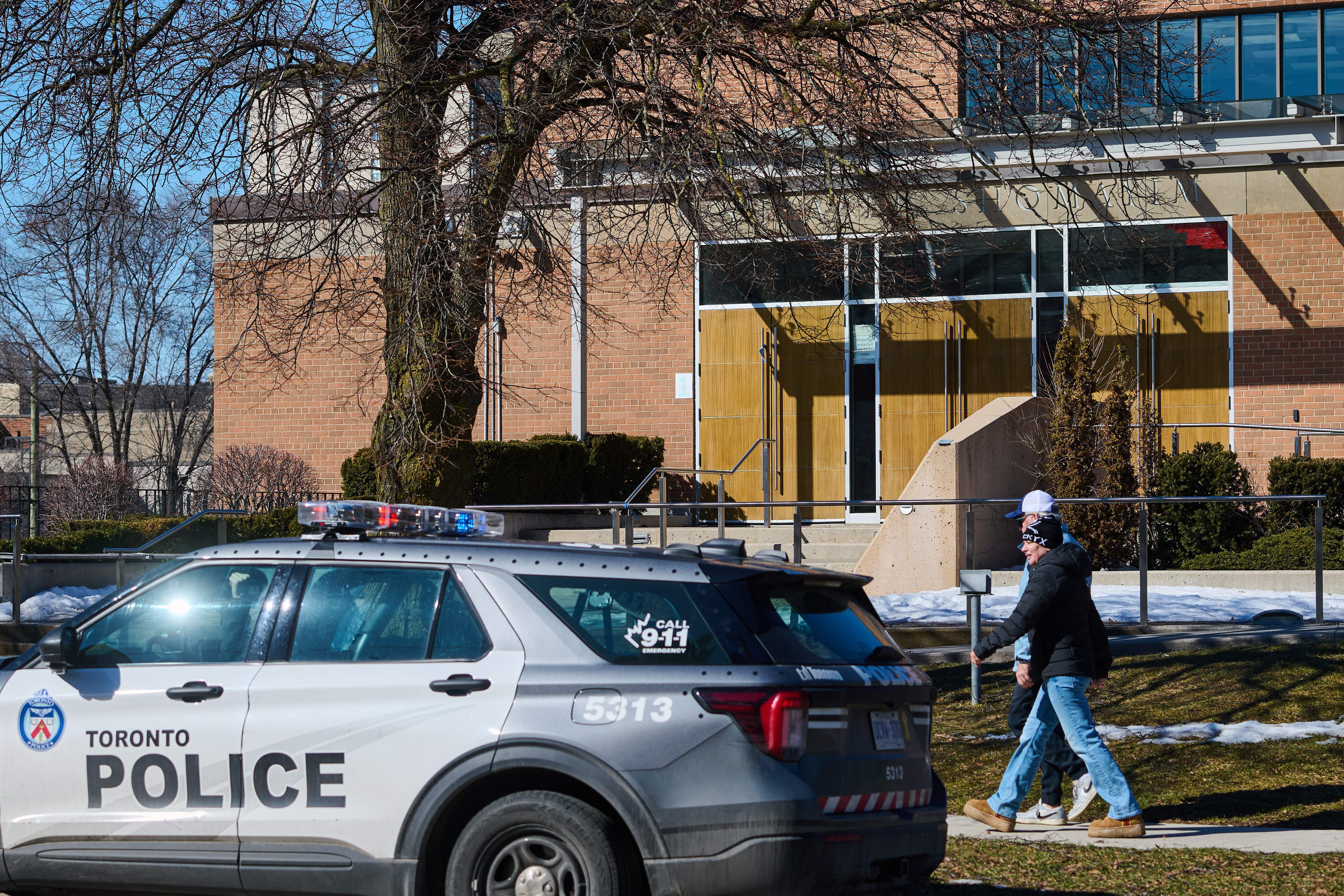
That technical distinction offers cold comfort to citizens who watch their local places of worship install bulletproof glass and armed guards. Maintaining a static threat level during a documented wave of targeted violence risks downplaying the crisis. It creates a gap between federal threat assessments and the lived reality of communities under constant watch.
Recognizing the Difference Between Online Ideology and Real World Risk
Understanding how radicalization happens today is critical for stopping it before police cruisers line the street.
Radicalization Pipelines
Online spaces have transformed into hyper-specific feedback loops. Extremists rarely gather in hidden basement cells anymore. They gather in public view on unmoderated chat platforms and social media feeds.
- Mainstream algorithms push sensationalized, divisive political content to build engagement.
- Encrypted chat groups convert that anger into specific targeted hostility.
- Direct messaging tools match radicalized individuals with criminal networks offering cash or weapons.
When antisemitism becomes normalized in everyday political discourse, susceptible individuals feel validated. It lowers the barrier between holding extremist views and acting on them.
Actionable Steps for Community Protection and Security Response
Fixing this problem requires moving beyond government intelligence reports. It demands targeted action across law enforcement, municipal policy, and community security.
1. Upgrade Physical Security for High Risk Targets
Synagogues, community centers, and faith-based schools need to re-evaluate their physical defense infrastructure immediately.
- Install high-definition, perimeter-focused surveillance cameras connected to direct emergency dispatch systems.
- Implement strict access control points and reinforced entry doors.
- Hire trained, off-duty law enforcement or licensed security personnel during large community gatherings.
2. Modernize Police Responses to Proxy Crime
Municipal police services must adapt their tactical response to account for hired guns.
- Treat midnight vandalism and property shootings at Jewish institutions as potential national security threats, not just isolated mischief or property crimes.
- Form specialized joint task forces between local police services and national intelligence agencies like CSIS to track money trails from encrypted platforms.
- Increase visible patrol presence around high-risk targets during periods of heightened international tension.
3. Demand Intelligence Transparency
Citizens and community organizations should push federal lawmakers for clearer communication.
- Push for updated threat level definitions that account for psychological community harm, not just technical mass-casualty capabilities.
- Require faster public debriefs following foiled plots so local communities can adjust security protocols.
- Allocate dedicated federal security infrastructure grants to vulnerable institutions without red tape delays.
The disruption of four violent plots proves Canadian intelligence agencies are watching, but intelligence alone isn't a permanent shield. Confronting this threat means calling out the networks feeding it, whether they operate through local gangs, encrypted messaging apps, or foreign state apparatuses.