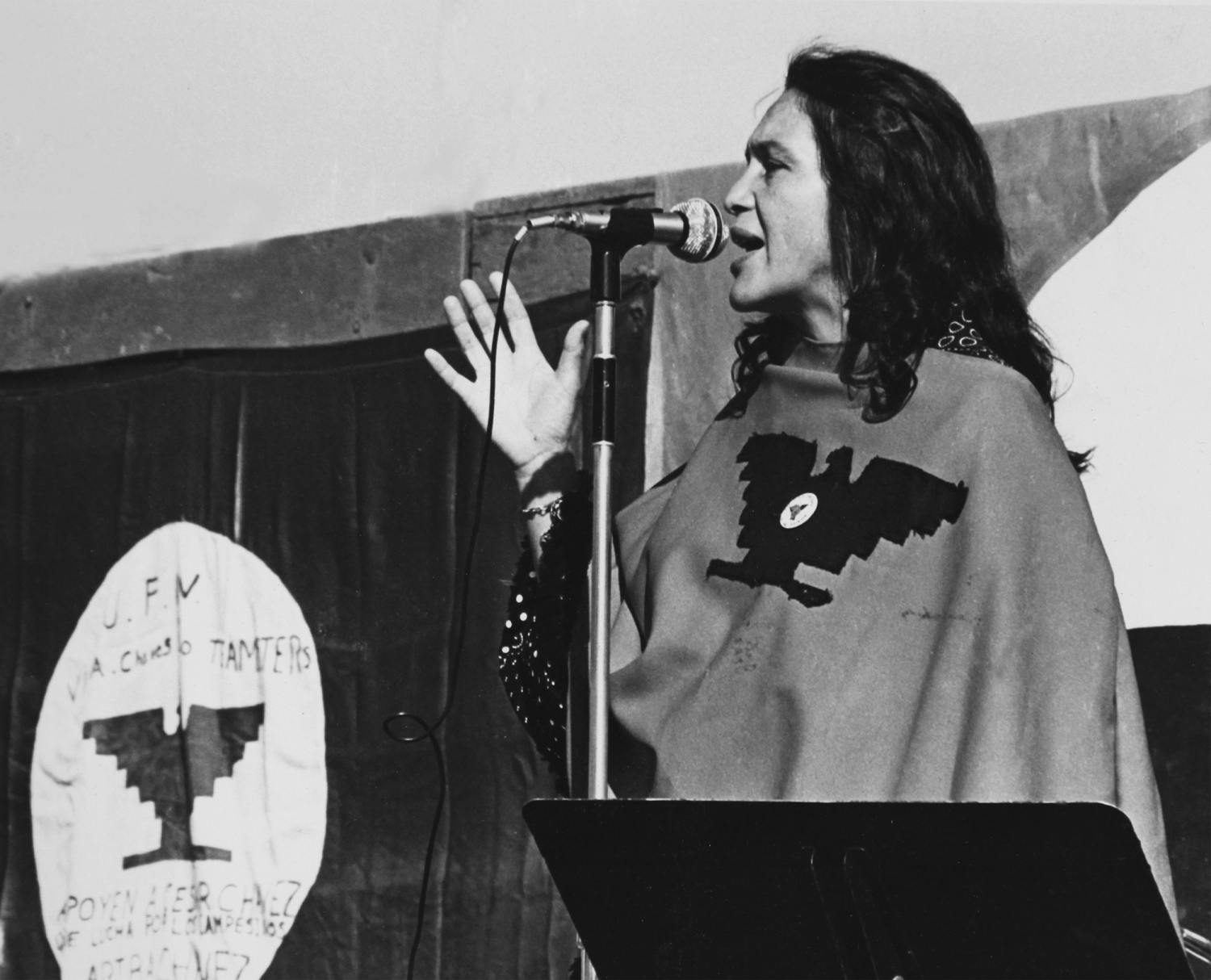
Dolores Huerta didn't ask for permission to change America. She walked into dusty fields, stared down corporate agricultural giants, and built a labor movement from scratch. When she died at her home in Bakersfield, California, at age 96, she left behind a blueprint for grassroots organizing that modern activists still try to copy.
Most history books paint the fight for farmworker rights as a solo crusade led entirely by César Chávez. That narrative is wrong. Huerta was the architect behind the scenes, the sharp negotiator who figured out how to lobby politicians, orchestrate devastating grape boycotts, and secure health benefits for people who had been treated as disposable for generations.
The Strategy Behind the Slogans
You've almost certainly heard her most famous three-word phrase: "Sí, se puede." Translated as "Yes, it can be done," it became the rallying cry for a generation. Later, Barack Obama borrowed it for his 2008 presidential run, cementing its place in political history. But Huerta didn't coin it as a catchy marketing slogan. She forged it out of sheer necessity during grueling negotiations where failure meant continued exploitation for thousands of families.
She understood leverage long before she ever set foot in a union hall. When traditional strikes failed to move wealthy landowners, Huerta engineered nationwide boycotts that hit corporations where it hurt most: their profit margins. She organized millions of consumers across the country to stop buying table grapes, forcing growers to the negotiating table and winning the first collective bargaining agreements for farmworkers.
Grit, Jails, and Personal Sacrifices
Activism at that level comes with a brutal price tag. Huerta was arrested 22 times for peaceful union demonstrations. In 1988, she stood outside a San Francisco hotel protesting a presidential campaign event when a police baton fractured several of her ribs and ruptured her spleen. The ensuing legal settlement forced the San Francisco Police Department to change its riot control policies, protecting future demonstrators from police brutality.
She raised eleven children, often as a single mother, while living out of suitcases and organizing across state lines. She faced immense personal hurdles, yet she kept pushing forward because she knew nobody else was going to fight for the dignity of migrant laborers.
Moving Beyond the Fields
When she stepped away from day-to-day farmworker organizing, she didn't retire to a quiet life. She shifted her massive energy toward women's rights, co-founding the Dolores Huerta Foundation in 2003 to train grassroots leaders and encourage Latinas to run for public office. She spoke candidly about bodily autonomy and equal pay, viewing every social justice struggle as connected to the next.
President Barack Obama awarded her the Presidential Medal of Freedom in 2012. States like California, Washington, and Nevada set aside official days to honor her contributions. Yet her real monument isn't found in a plaque or a holiday. It lives in every workplace where laborers stand up for fair wages, every time a marginalized community realizes collective action actually works, and every time someone looks at an impossible hurdle and says, "Sí, se puede."
Stop waiting for leaders to hand you justice. Pick a cause, organize your neighbors, and build the leverage you need to win.