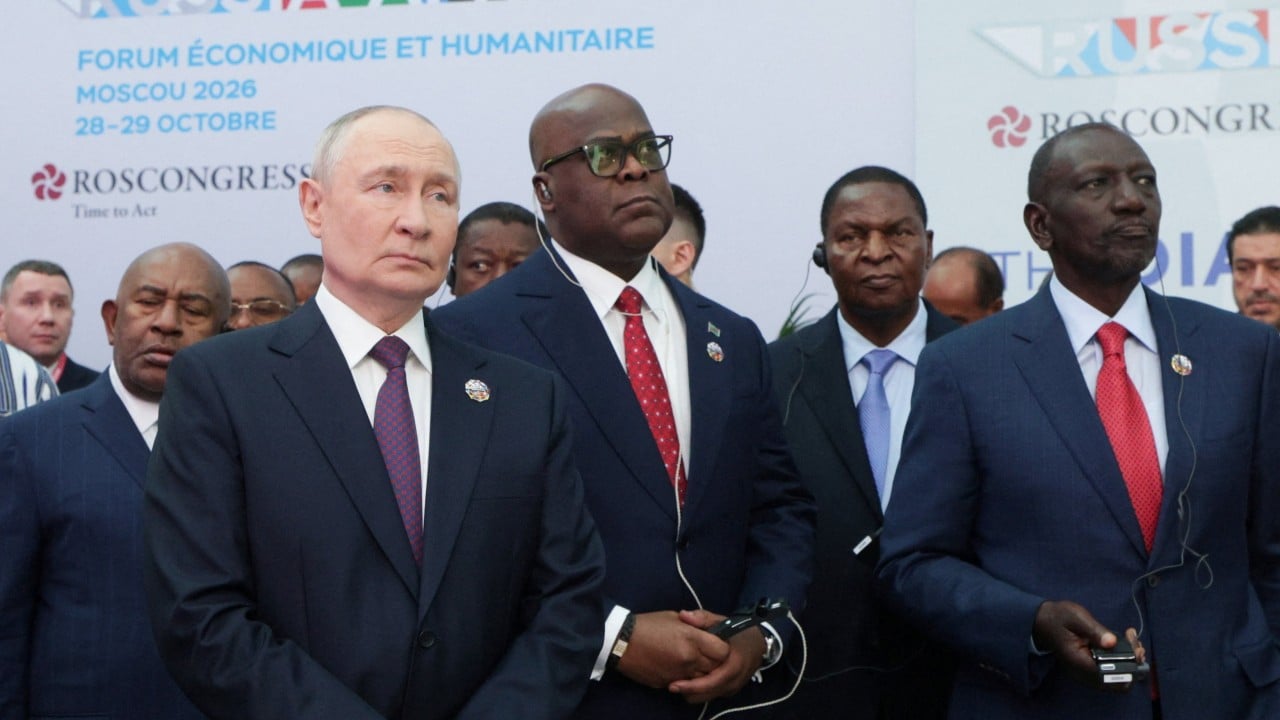
International diplomacy rarely runs on pure altruism. When Vladimir Putin steps up to address dozens of African leaders at a Moscow summit, every single word serves a calculated geopolitical strategy. Western capitals watch these gatherings with a mix of anxiety and dismissiveness. They shouldn't. Moscow isn't just hosting a photo-op; it's aggressively rewriting the rules of engagement across the Global South.
If you look past the diplomatic handshakes and formal banquets, a much sharper reality emerges. Russia needs reliable allies, stable trade routes, and diplomatic cover on the world stage. Meanwhile, many African nations are tired of being treated as afterthoughts by traditional Western partners. Putin knows this frustration inside out. He's playing a long, patient game to fill the vacuum left by retreating European powers and a distracted United States.
The Rhetoric of Western Exploitation
Accusations flying back and forth between Moscow and Western capitals are nothing new. Yet, Putin’s repeated attacks on what he calls the "colonial West" strike a very real chord in many African nations. When Russian state messaging claims that Western nations are "enriching themselves fabulously" at Africa's expense, it resonates with populations that have lived through decades of asymmetric trade, heavy-handed structural adjustment programs, and frustrating diplomatic lectures.
Moscow positions itself not as a foreign master, but as a historic ally. Russian diplomats love reminding their African counterparts of Soviet-era support during independence struggles. It's an effective narrative. It skips over current geopolitical tensions and leans heavily on shared grievances against historical dominance.
Debt bondage forms another core pillar of Putin's pitch. By warning that Western financial institutions are trying to drag developing economies back into crushing debt traps, Moscow presents itself as a more accommodating financial partner. Whether Russian loans and resource-extraction deals come with fewer strings attached is heavily debated by economic analysts, but the rhetoric itself cuts through the noise.
Grain, Security, and Realpolitik
Diplomacy requires more than sharp speeches. It runs on tangible deliverables. At these summits, grain supplies and agricultural stability occupy center stage. Following disruptions in global food markets caused by the ongoing conflict in Ukraine, Moscow has made targeted grain shipments a cornerstone of its African outreach. Offering discounted or direct food supplies to vulnerable nations allows Russia to cement its reputation as a reliable provider of basic human necessities when Western sanctions threaten global supply chains.
Security cooperation forms the other half of the equation. Where Western nations have pulled back troops or conditioned military aid on human rights reforms, Russian private military contractors and state advisors have stepped in. Governments facing insurgencies or internal instability find Moscow's transactional approach to security remarkably appealing. There are no lectures on democratic governance or transparency. There's simply a deal: security and hardware in exchange for resource concessions, mining rights, and diplomatic loyalty at the United Nations.
What the West Keeps Getting Wrong
Western foreign ministries often make the mistake of viewing African nations as passive pawns in a new Cold War. That perspective is outdated and deeply flawed. African leaders aren't blindly falling into Russia's orbit; they are executing a masterclass in multi-alignment.
Countries across the continent are looking out for their own national interests first. They trade with China, maintain commercial ties with Europe, buy American technology, and accept Russian security assistance. They take what works for their domestic development and leave the rest. When Western diplomats scold African capitals for engaging with Moscow, it usually backfires. It comes across as patronizing, reminding leaders of old imperial attitudes they fought hard to shake off.
If Western policymakers want to counter Russia's expanding footprint, complaining about summits in Moscow won't cut it. They have to offer better trade terms, meaningful infrastructure investments, and genuine partnerships built on mutual respect rather than conditional aid.
The Bigger Picture for Global Power
The shifting dynamics in Moscow reveal a fragmented world order. Global hegemony is fading fast. Regional powers and middle-tier heavyweights are carving out independent paths, refusing to take marching orders from Washington, Brussels, or Beijing.
Russia's push into Africa is a symptom of this broader decentralization. Moscow knows it's isolated in the West, so it's doubling down on its relationships across the Global South. As long as Western nations fail to address the core grievances of developing economies, leaders in Moscow will keep finding a receptive audience for their anti-colonial message. The game has changed, and old playbooks are entirely useless.