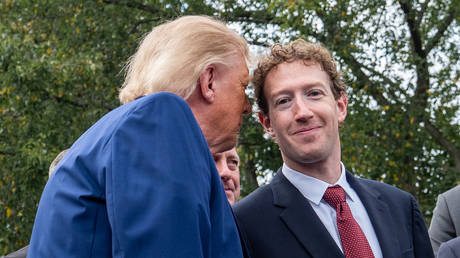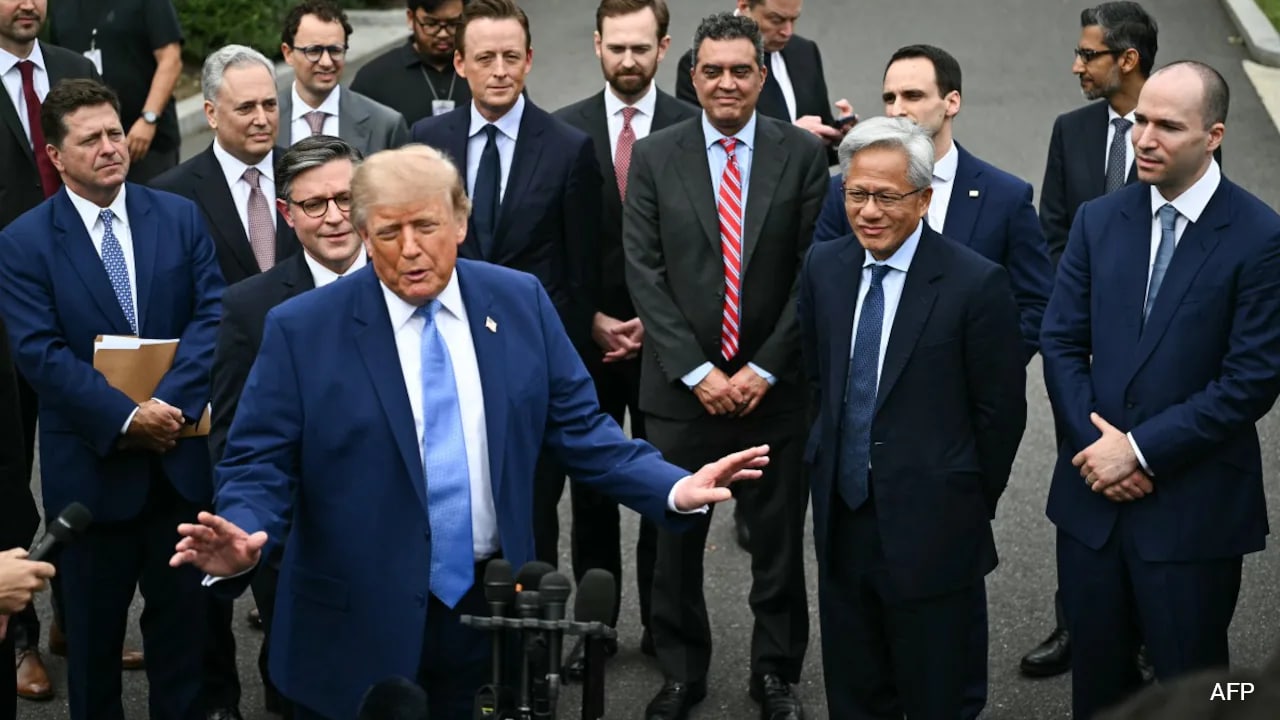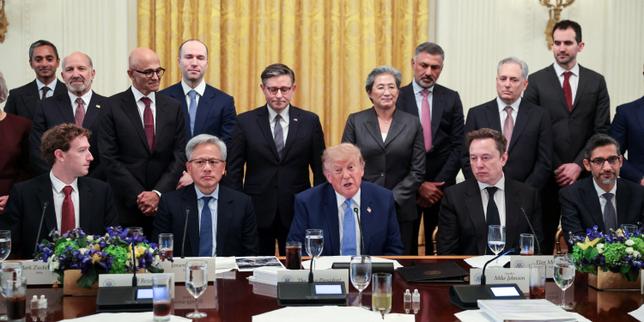
When Donald Trump sat down at the White House with tech giants like Meta's Mark Zuckerberg, Amazon's Jeff Bezos, Google's Sundar Pichai, Nvidia's Jensen Huang, and Anthropic's Dario Amodei on September 29, 2026, he delivered a clear message. Washington won't slow down the artificial intelligence race with heavy federal constraints. Instead, the administration is handing the steering wheel directly to the tech industry through voluntary self-regulation.
If you're wondering how this impacts global competition, the answer is simple. The White House wants to win the race against global rivals at all costs, viewing rigid legislative rules as an anchor dragging down American innovation.
The White House Strategy on AI Self Regulation
The high-stakes meeting in Washington wasn't about drafting strict federal oversight bills. Trump made it clear that heavy guardrails are unnecessary, telling reporters that self-regulation is the preferred path. Silicon Valley's heavyweights are being asked to police themselves while the government focuses on national competitiveness and energy infrastructure.
Critics argue this approach leaves a massive accountability gap. Yet, the administration's stance is rooted in a pragmatic calculation. If the United States imposes severe restrictions, developers will simply pack their bags for friendlier international jurisdictions. By relying on voluntary frameworks and industry cooperation, the White House aims to keep cutting-edge development inside domestic borders.
What Silicon Valley Actually Promised
During the late September summit, tech leaders discussed safety, energy demands, and data center impacts with Trump and House Speaker Mike Johnson. While executives often publicly call for safety guardrails to look responsible, they secretly dread hard regulatory caps that restrict training compute or data collection.
When an industry asks to regulate itself, you have to look closely at the incentives. Companies want to avoid heavy compliance costs while simultaneously locking out smaller open-source competitors who can't afford expensive safety compliance procedures. It's a classic strategy to consolidate market dominance under the guise of public safety.
The Real Cost of Skipping Federal Oversight
Opting out of statutory red tape comes with clear trade-offs. Local communities are already pushing back against the massive power and water demands of new AI data centers. Trump addressed this by suggesting tech firms work directly with local municipalities to cover infrastructure costs, rather than waiting for federal mandates.
Without independent federal oversight, watchdogs worry about algorithmic bias, national security vulnerabilities, and runaway frontier models. But the administration believes market forces and private sector self-policing are faster and more effective than sluggish congressional committees.
You cannot out-regulate a fast-moving technological revolution without killing it. That's the core belief driving current White House policy. Whether this gamble pays off or creates future crises depends entirely on how responsibly these tech monopolies choose to act when no federal agent is looking over their shoulder.